
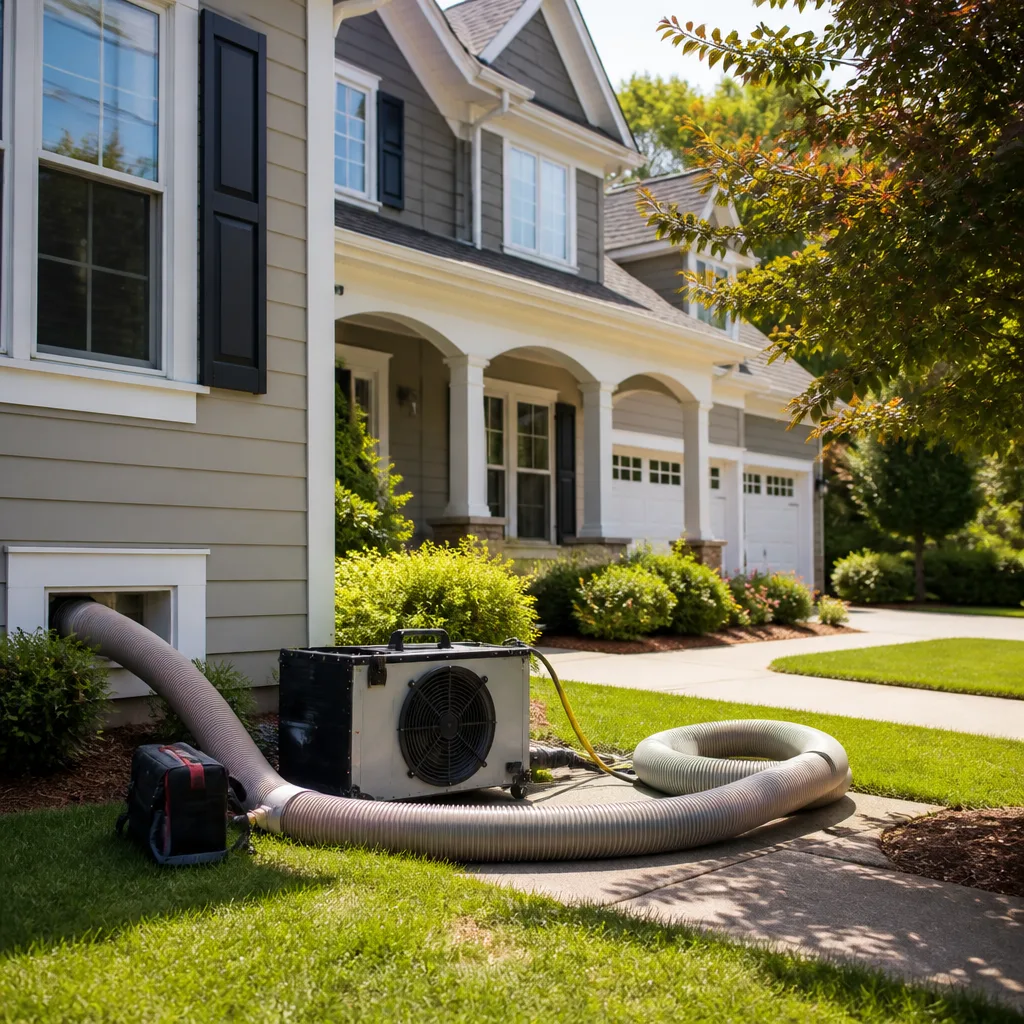
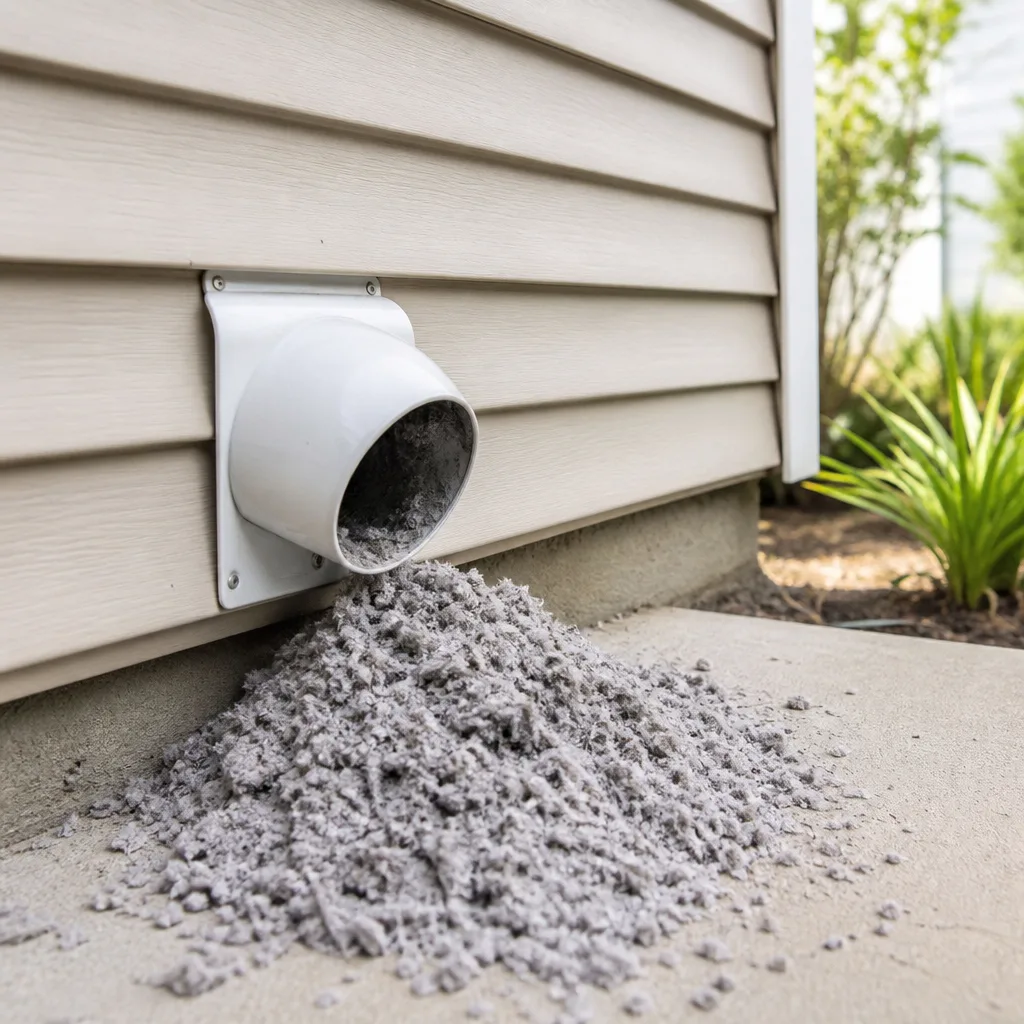
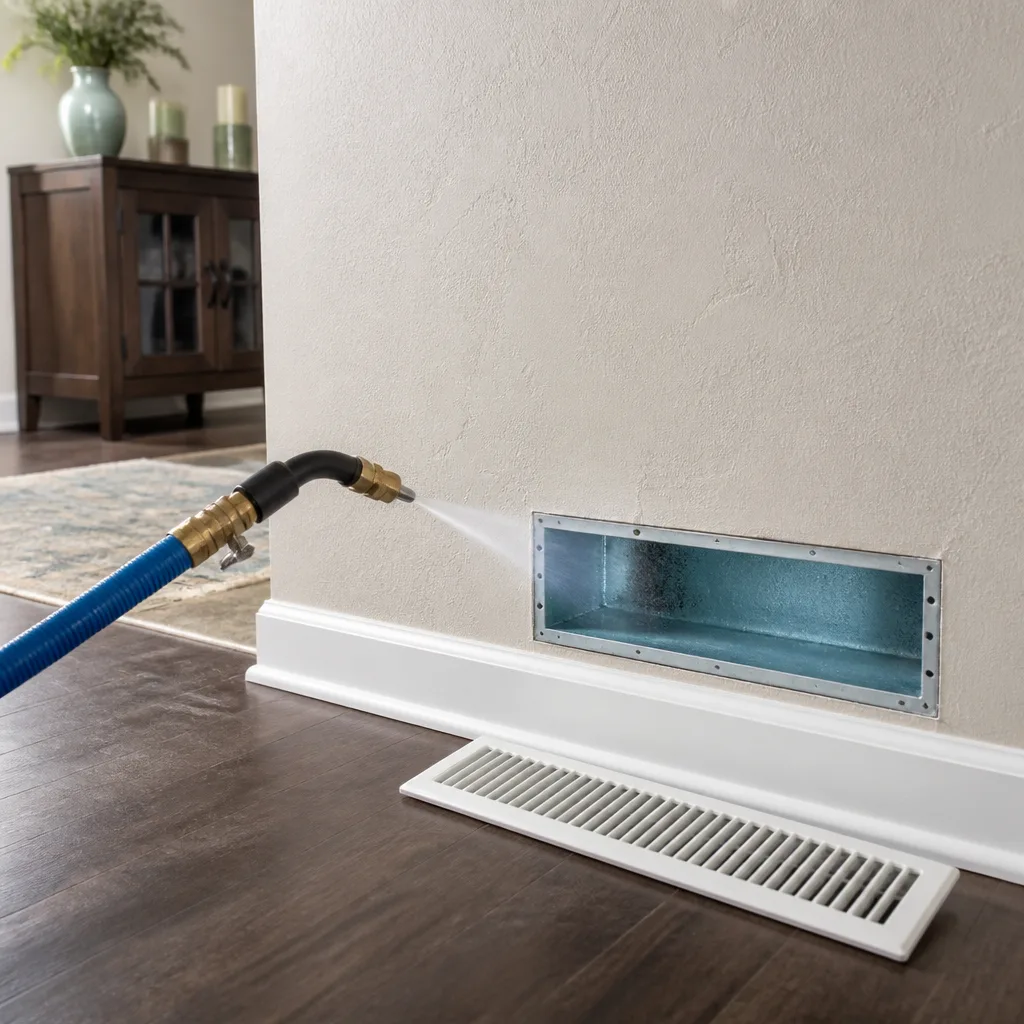
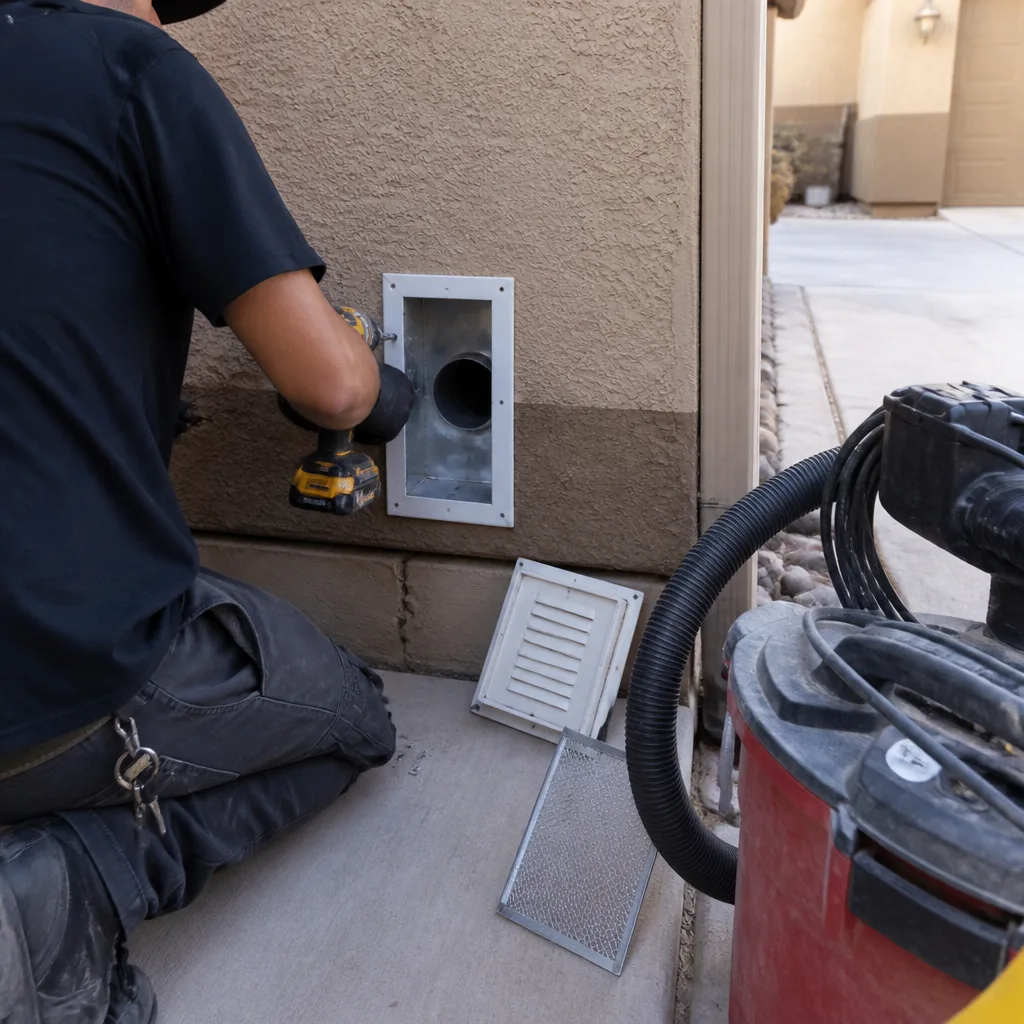
Whole-system duct and dryer vent check with before-and-after photos - you see exactly what came out of your vents
That "$99 whole-house special" is a bait ad - the real number appears once they are in your hallway, or the "clean" is a shop-vac at the register. We photograph the inside of your ducts before and after instead.
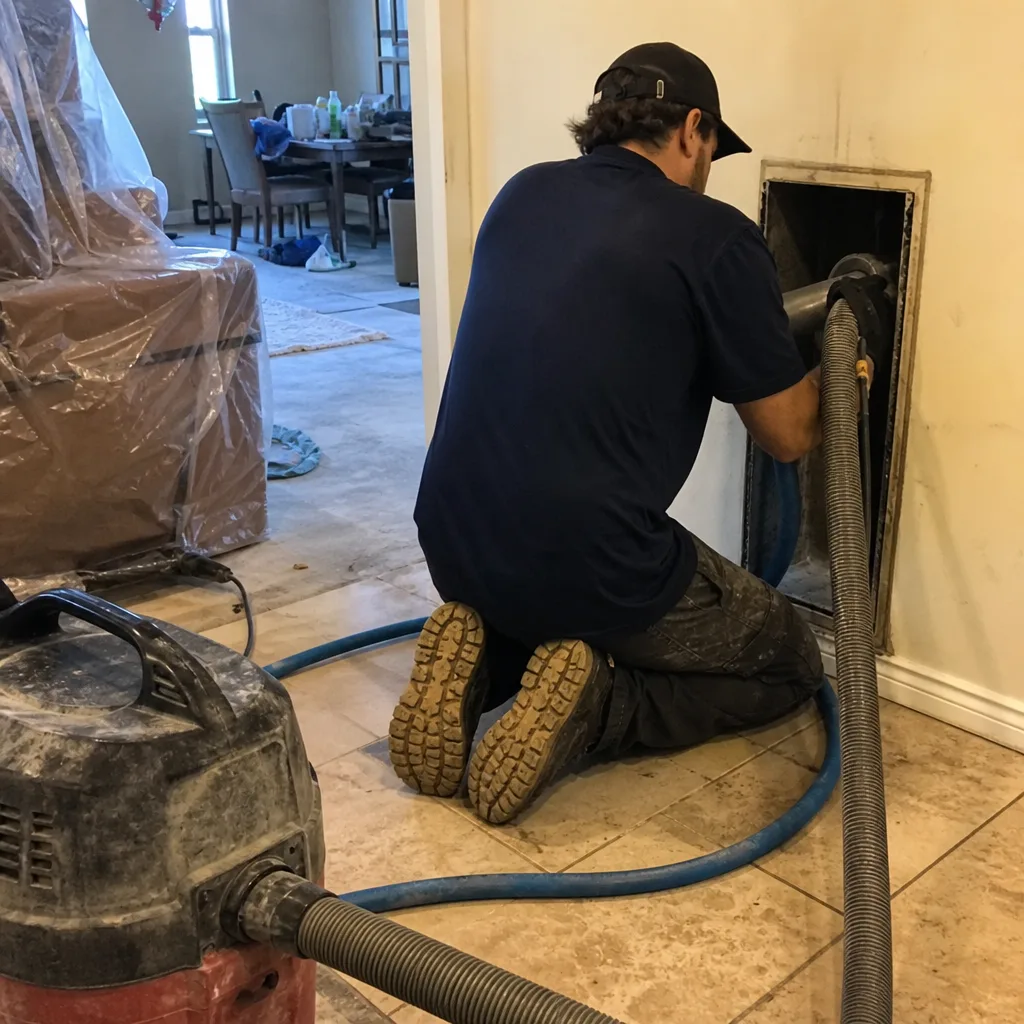 Before
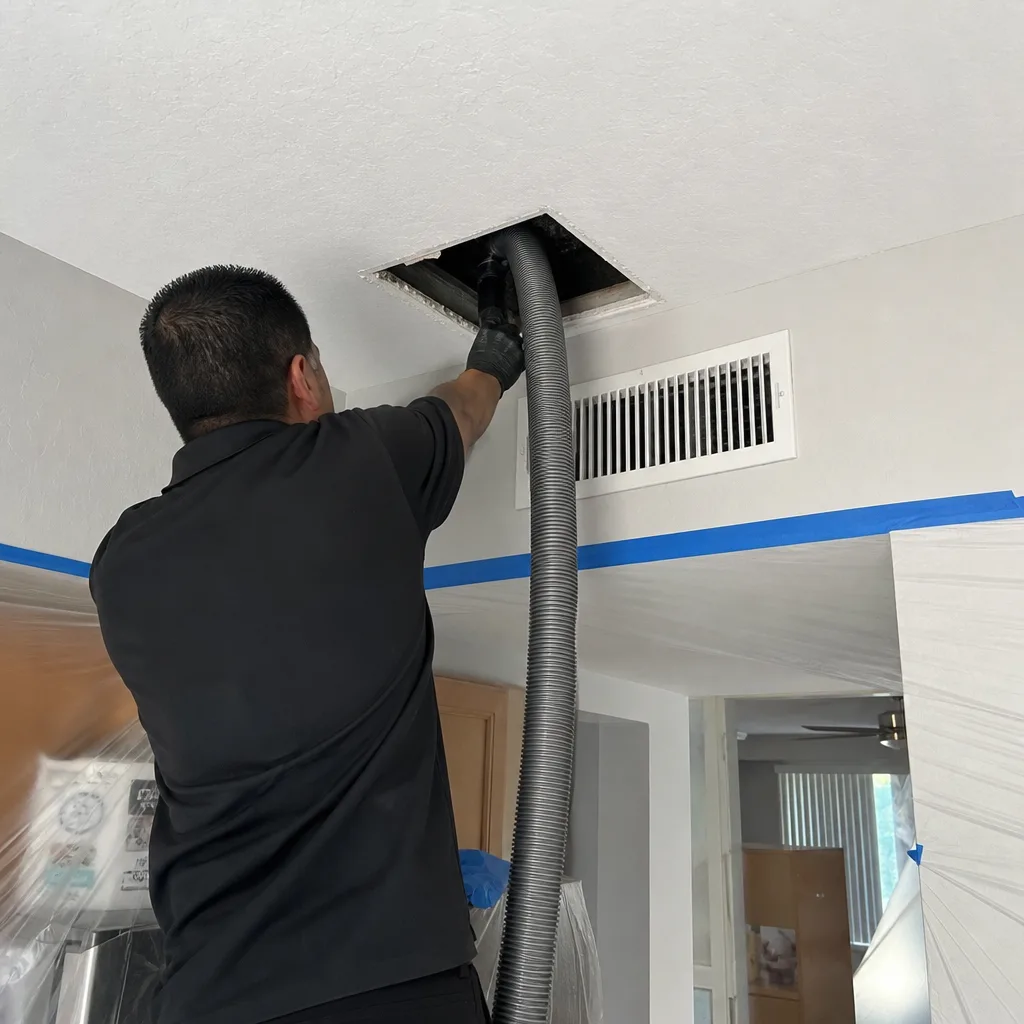 After
After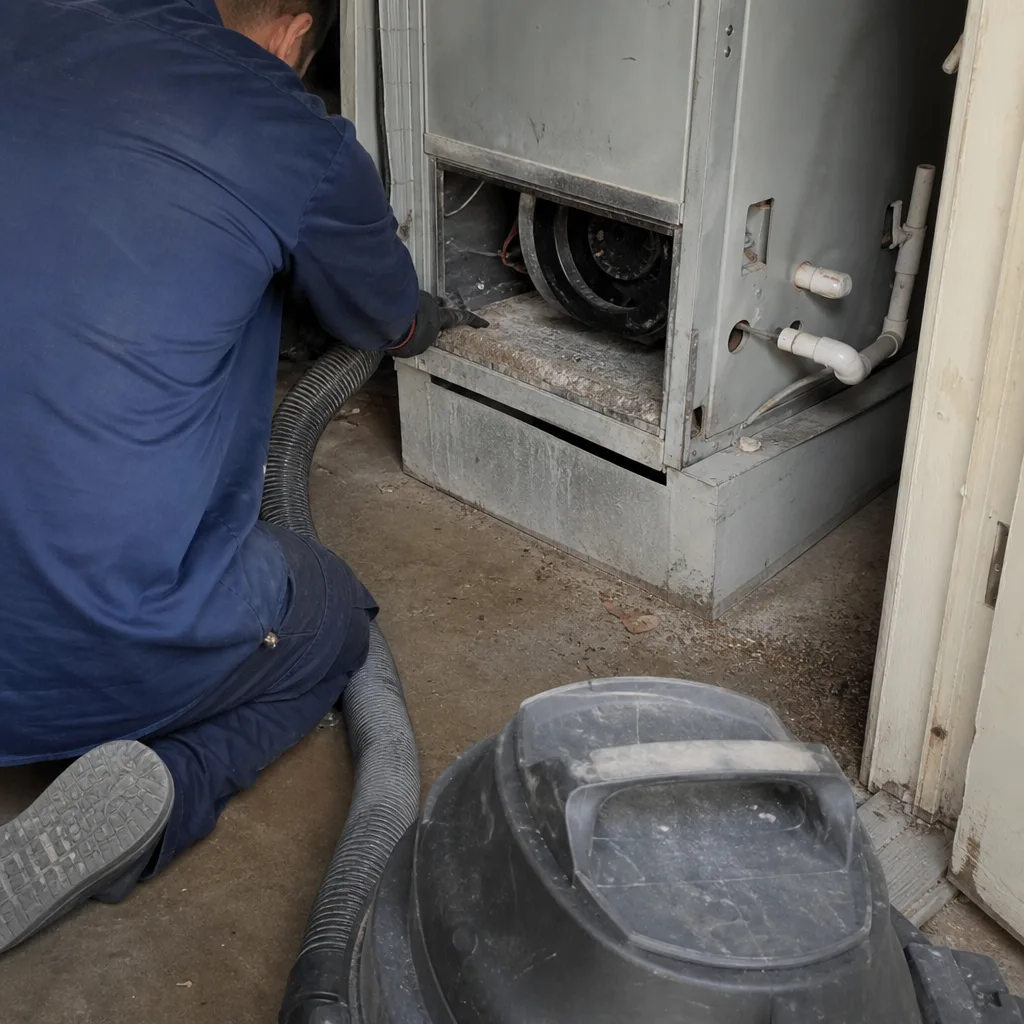 Before
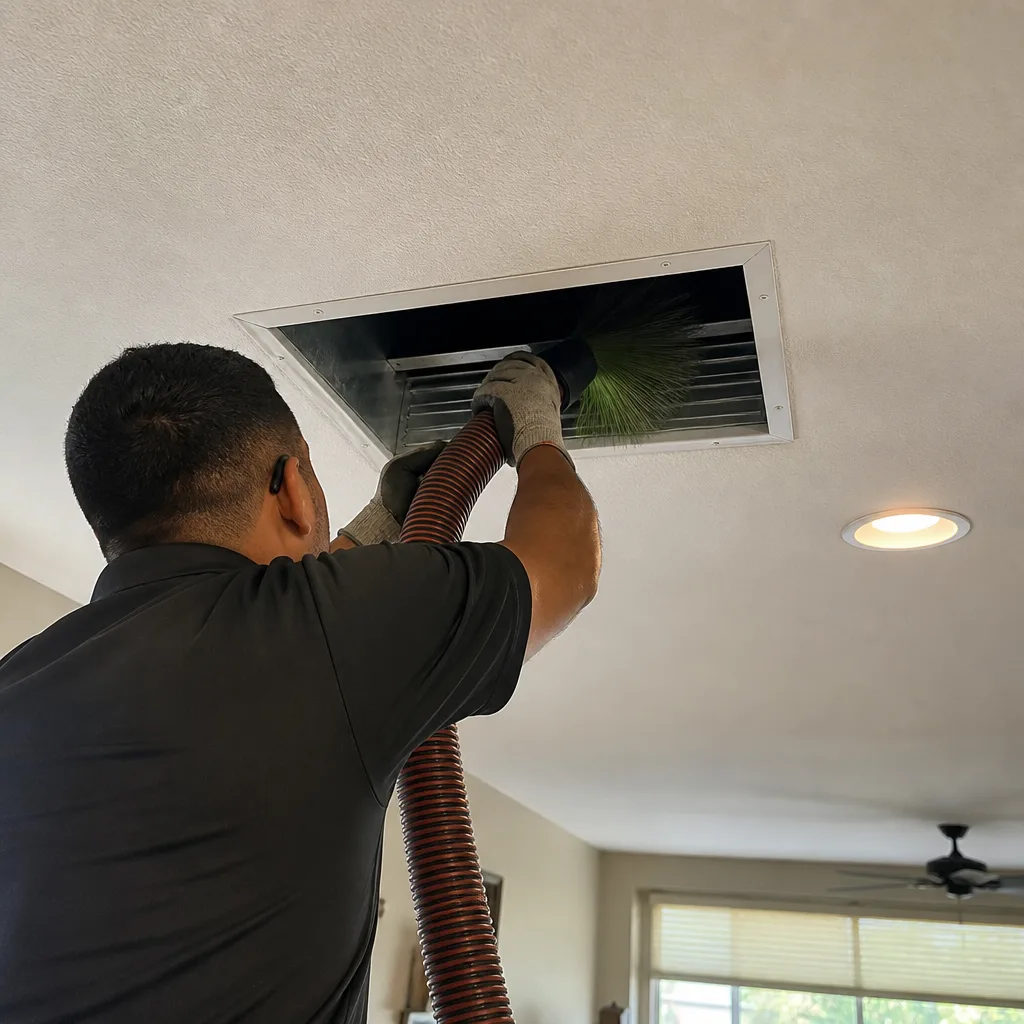 After
After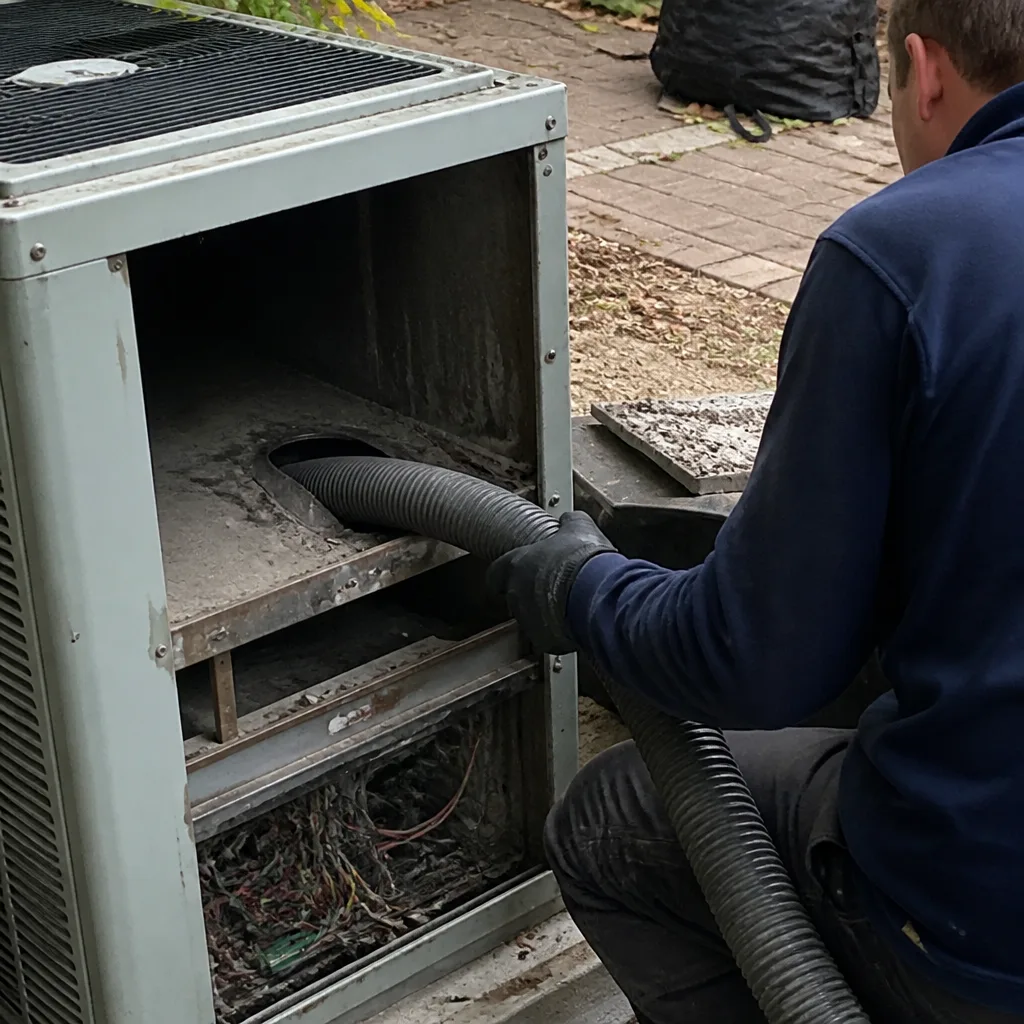 Before
 After
AfterHoneywell Duct Sealing & Repair: The Chandler Owner’s Guide
CleanRun stocks and installs Honeywell-compatible duct sealing and repair components for Chandler homeowners, with typical installed pricing between $340 and $780 per system depending on plenum access and linear footage of sealant needed. Most Honeywell duct sealing jobs are completed in a single scheduled visit, and we carry the full range of mastic compounds, foil-backed tapes rated for Arizona attic temperatures, and mechanical collar fasteners on every truck. Homeowners usually discover the problem when a room suddenly won’t hold temperature, or when their summer APS bill climbs without explanation - the conditioned air is bleeding into the attic through gaps that weren’t visible from the register side.
Which Honeywell Models This Applies To
Honeywell does not manufacture ductwork itself; instead, the brand’s presence in your system comes through zone dampers, electronic air cleaners, whole-home humidifiers, and ERV/HRV units that tie into galvanized or flex duct runs. The sealing and repair work we perform addresses the connection points where Honeywell components meet the main trunk. Key identifiers: zone damper models like the HZ432 TrueZONE panel (look for the white control box mounted near the plenum), or the F100 and F200 media air cleaner cabinets, which require a precise 14.5-by-20 or 16-by-25 cutout that weakens the surrounding duct face over time.
To confirm compatibility, we check three things: the collar size where the Honeywell unit enters the trunk (most common are 8-inch, 10-inch, and 12-inch round takeoffs), whether the existing seal is mastic-only or includes a mechanical fastening strap, and the duct material itself - galvanized steel, aluminum flex, or fiberglass duct board each demand different repair protocols. OEM-grade mastic from Honeywell’s specified vendor runs thicker than box-store alternatives and carries a 10-year rated lifespan in dry climates; we also stock aftermarket equivalents from Duro Dyne and Hardcast that meet the same UL 181A-P and 181B-FX standards at a lower per-tube cost. The wrong choice is applying standard cloth-backed duct tape, which degrades to adhesive residue within two Arizona summers.
Signs Your Honeywell Duct Sealing & Repair Is Failing
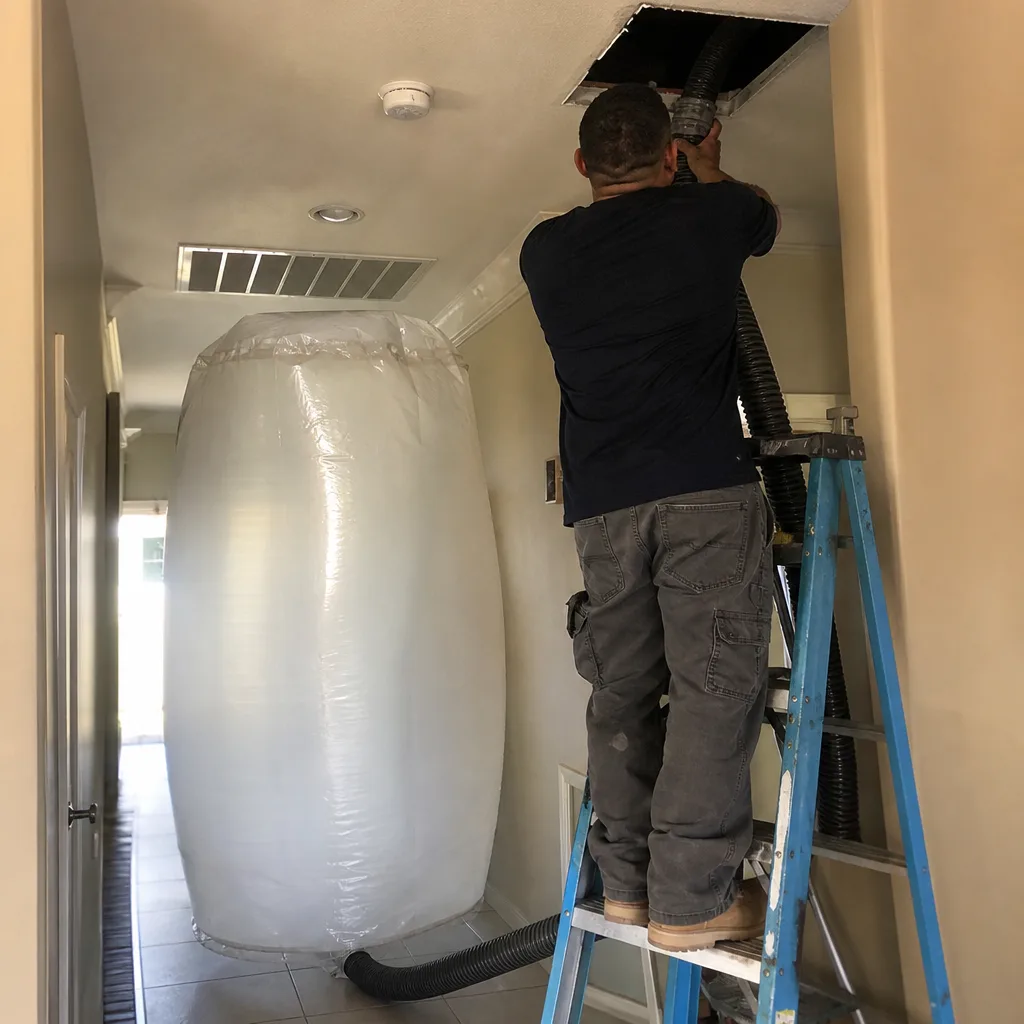
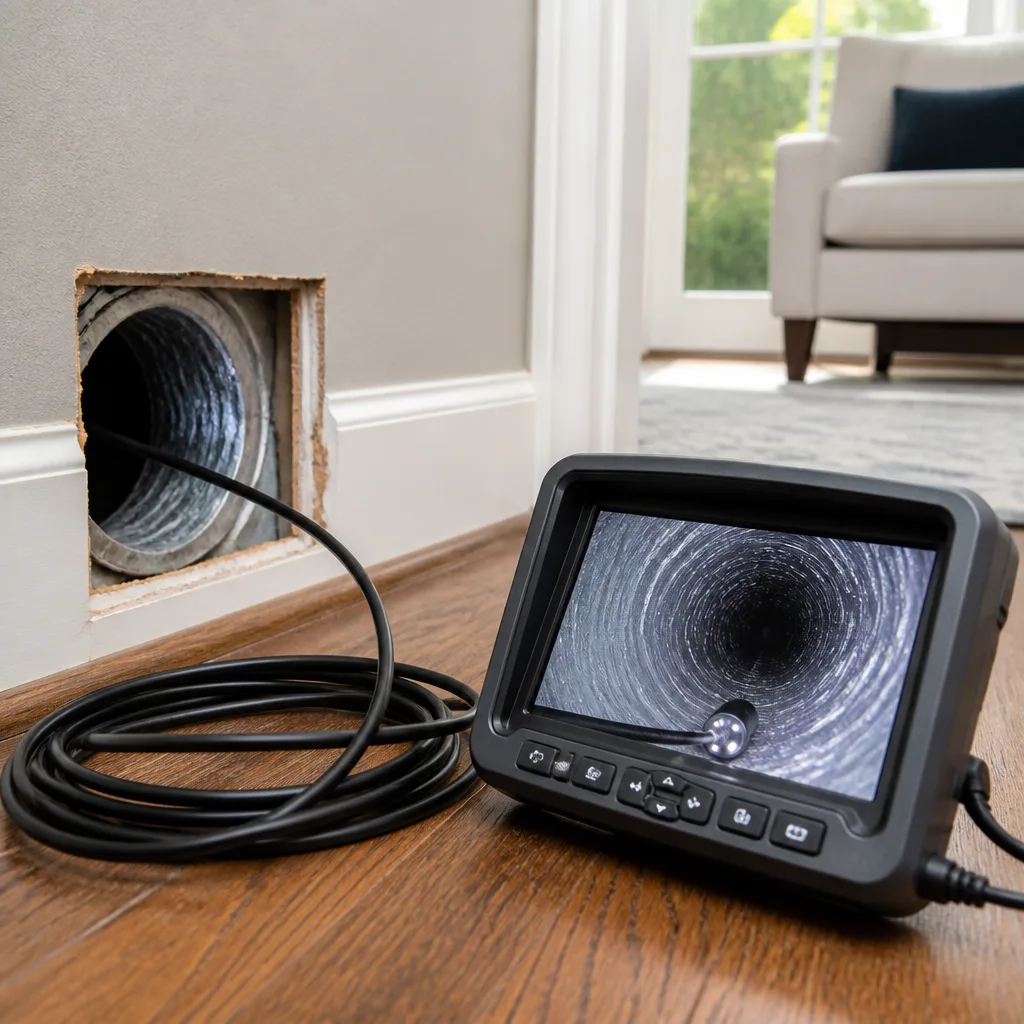
- Uneven temperatures between rooms served by the same Honeywell zone. The zone damper is commanding open or closed, but conditioned air is escaping through a separated collar before it reaches the register. We photograph this with a borescope at the plenum junction.
- Dust accumulation on the ceiling around supply registers. This indicates negative pressure pulling attic particulate through a gap on the return side, often where a Honeywell F100 cabinet meets the return plenum. The filter is doing its job; the duct seal is not.
- Musty or chemical odor when the system cycles on. In Chandler’s monsoon season, attic humidity spikes to levels that support microbial growth on fiberglass duct board. A failed vapor seal at a Honeywell humidifier tap allows that odor to enter the airflow.
- Whistling or rushing air sound from walls or ceiling. High-velocity air passing through a gap smaller than a quarter-inch produces a distinct tone. The Honeywell zone panel may be working harder to compensate, shortening its actuator lifespan.
- Summer cooling costs rising 15% or more year-over-year with no rate change. APS time-of-use plans make this easy to track. A 20% leak in the return ductwork - common where Honeywell ERV intake collars separate - forces the compressor to run longer for the same indoor temperature.
 Before
 After
AfterReplacement Cost & What’s Included
| Scope | Typical Range in Chandler |
|---|---|
| Single register collar reseal (mechanical + mastic) | $180 - $260 |
| Honeywell zone damper collar rebuild | $280 - $420 |
| Partial trunk seal, up to 15 linear feet | $340 - $520 |
| Full system seal with photo documentation | $580 - $780 |
What drives the range: attic access difficulty (truss spacing, existing insulation depth), whether the duct is rigid or flex, and whether the Honeywell component must be temporarily removed to achieve a proper seal. Every quote is a written flat price per system, delivered before work starts under Haven Standard Clause 1. The 365-Day Done Right Promise covers labor and materials; if a seal fails within that window, we return and correct it at no charge. The photo record - before and after of every duct run - is included as a standard deliverable, not an upsell.
DIY or Call Us?
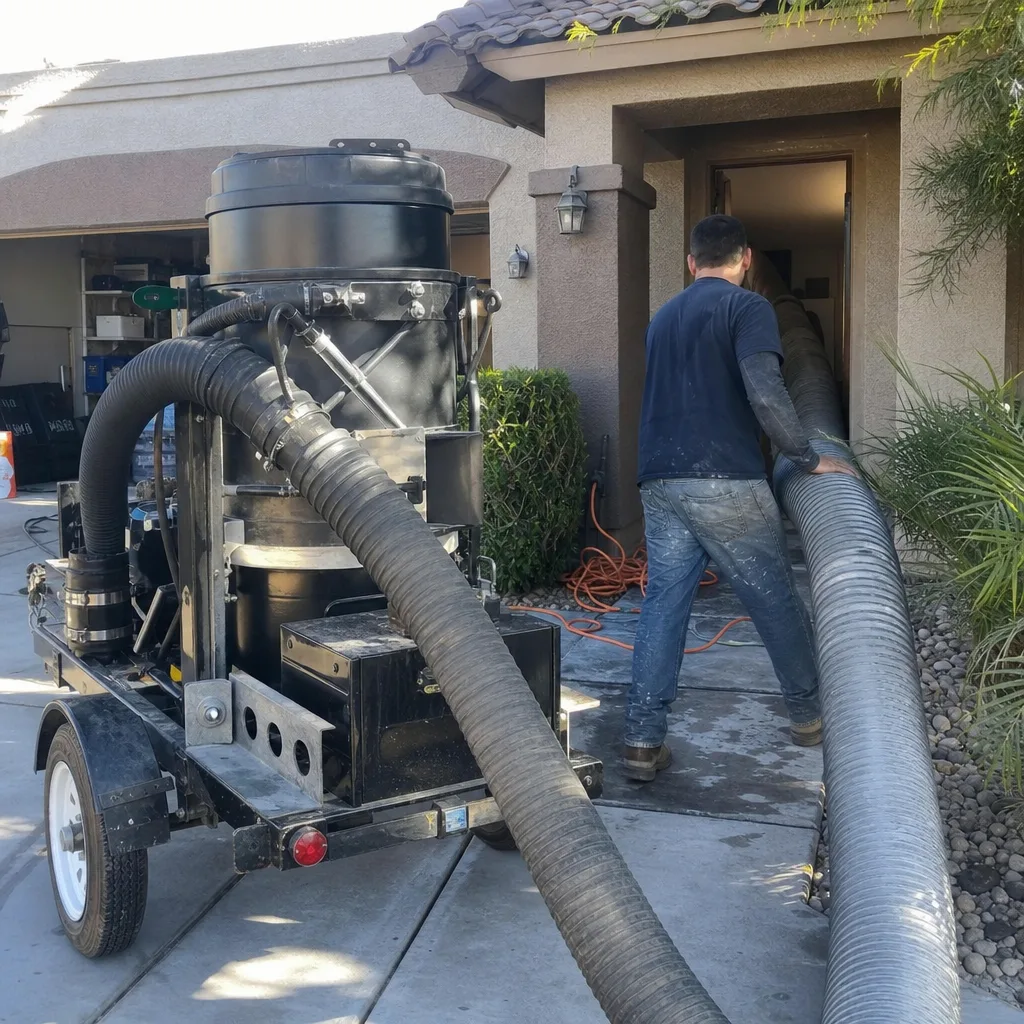
What a Chandler homeowner can safely check: verify that register faceplates are secure, confirm the Honeywell filter is seated correctly in its cabinet, and visually inspect any exposed duct in the garage or utility closet for obvious separation. What goes wrong with DIY: attic work in July carries genuine heat-stroke risk, fiberglass duct board requires specialized sealants that off-gas if misapplied, and a homeowner cannot verify seal integrity without a pressure pan test or smoke pencil. More critically, disturbing a Honeywell zone damper wiring harness without locking out the 24-volt control circuit can damage the panel. We carry calibrated pressure-testing equipment on every truck and perform post-repair verification as part of the standard scope. For a written flat price before any work begins, call (520) 464-6297.
FAQs
Properly applied mechanical fastening with UL-rated mastic lasts 10 to 15 years in Arizona’s dry climate, though attic temperatures above 140°F in July can accelerate adhesive degradation on non-OEM tapes. We verify seal condition during any return visit and document it in the photo record. Call (520) 464-6297 for an exact quote - estimates are free.
Localized repairs are viable when the damage is limited to a single collar or a gap under six inches; anything larger, or involving crushed flex duct, requires section replacement to meet the pressure-test standards we apply under the H.A.V.E.N. Standard. Tomas Reyes will show you the borescope image and quote both options in writing before you decide. Call (520) 464-6297 for an exact quote - estimates are free.
Single-collar repairs run 90 minutes to two hours; a full system seal with pressure verification takes four to six hours depending on attic layout and the number of Honeywell zone branches. We schedule a firm arrival window, not a four-hour block. Call (520) 464-6297 for an exact quote - estimates are free.
Yes - every CleanRun truck carries Hardcast 181A-P mastic, foil-backed FSK tape rated for 250°F, mechanical collar straps in 6-inch through 14-inch diameters, and replacement takeoff fittings for common Honeywell zone damper configurations. If your system requires a specialized adapter, we source it overnight and reschedule at no additional trip charge. Call (520) 464-6297 for an exact quote - estimates are free.
CleanRun Duct Repair & Cleaning is independently owned and operated under the Haven Standard; we are not affiliated with Honeywell International Inc. We also stock parts for Lennox, Trane, and Carrier systems.
The photo tells you what the duct looked like. The invoice tells you what we did. Everything else is just conversation.
Written by Tomas Reyes, Owner, CleanRun Air Duct Cleaning Chandler at CleanRun Air Duct Cleaning Chandler, serving Chandler and nearby areas.