
Last updated September 23, 2026
Whole-system duct and dryer vent check with before-and-after photos - you see exactly what came out of your vents
That "$99 whole-house special" is a bait ad - the real number appears once they are in your hallway, or the "clean" is a shop-vac at the register. We photograph the inside of your ducts before and after instead.
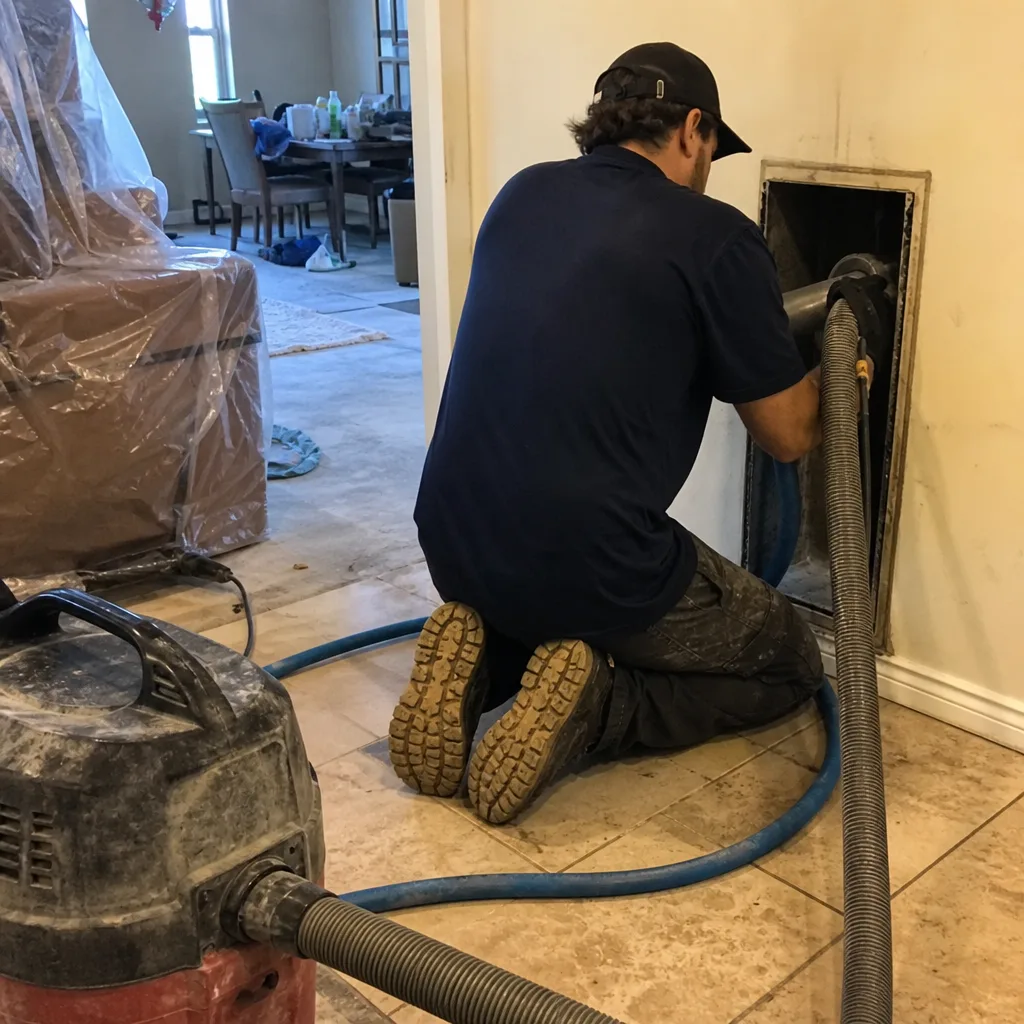 Before
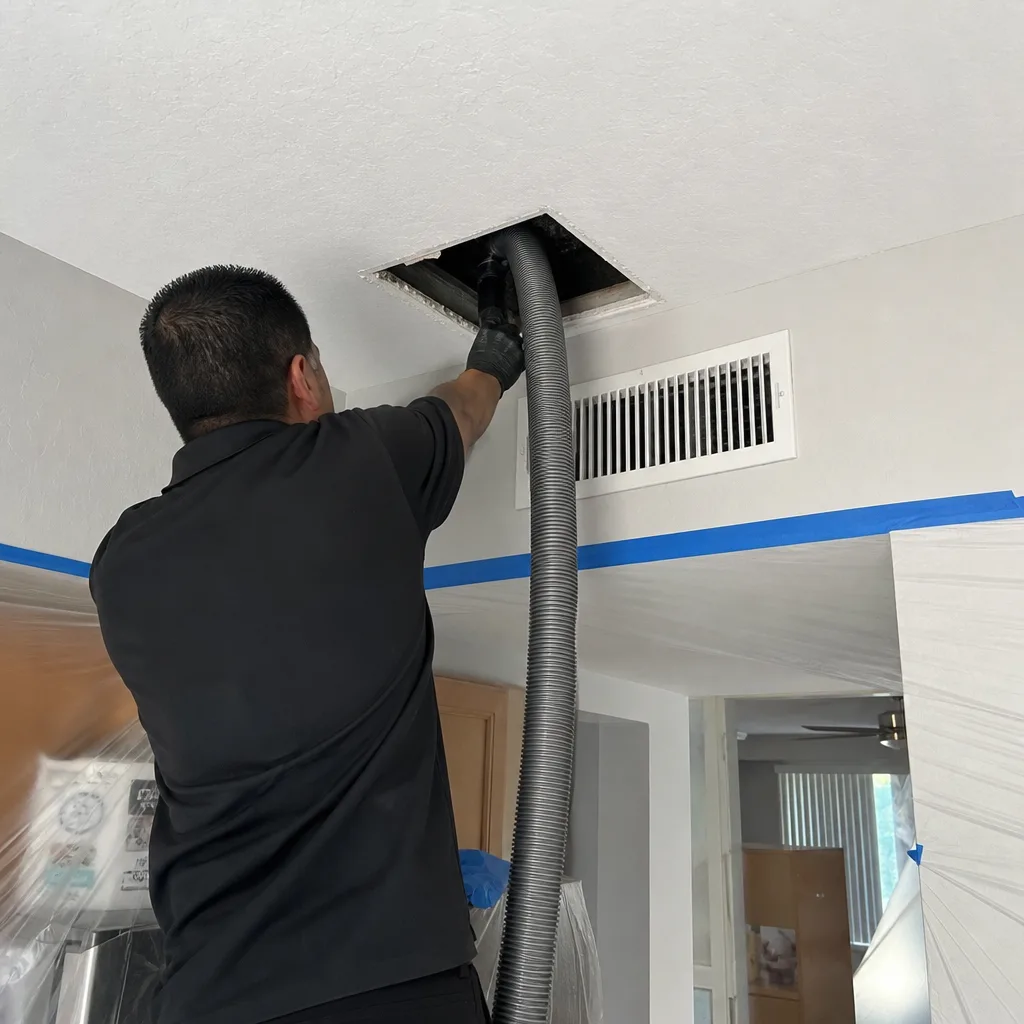 After
After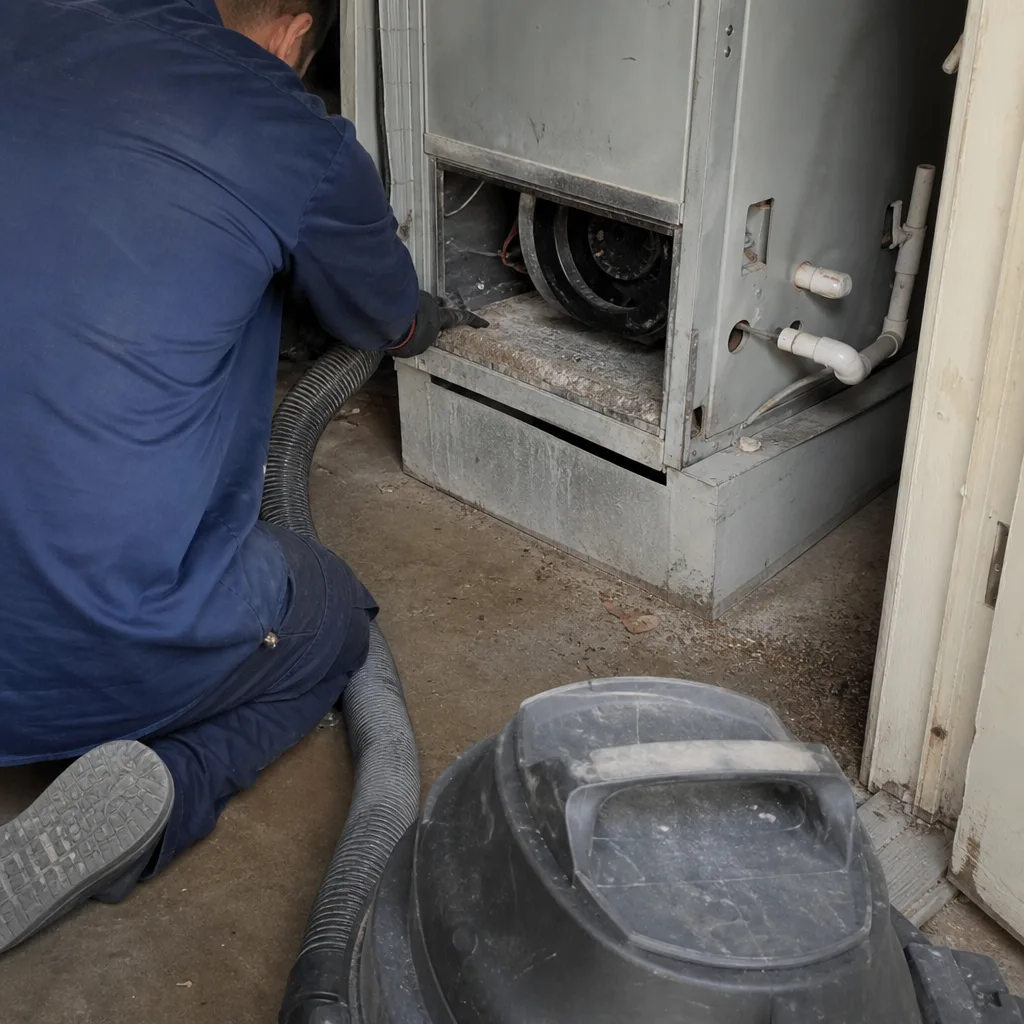 Before
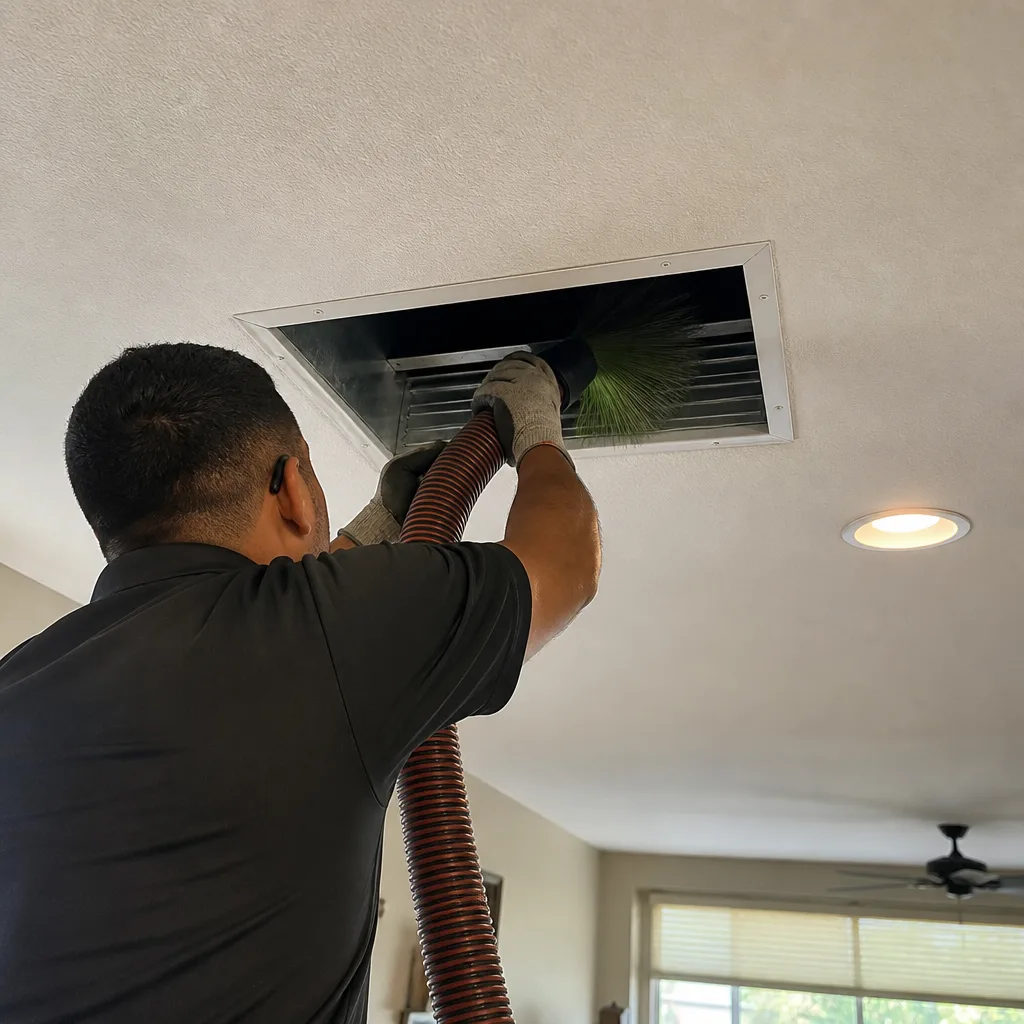 After
After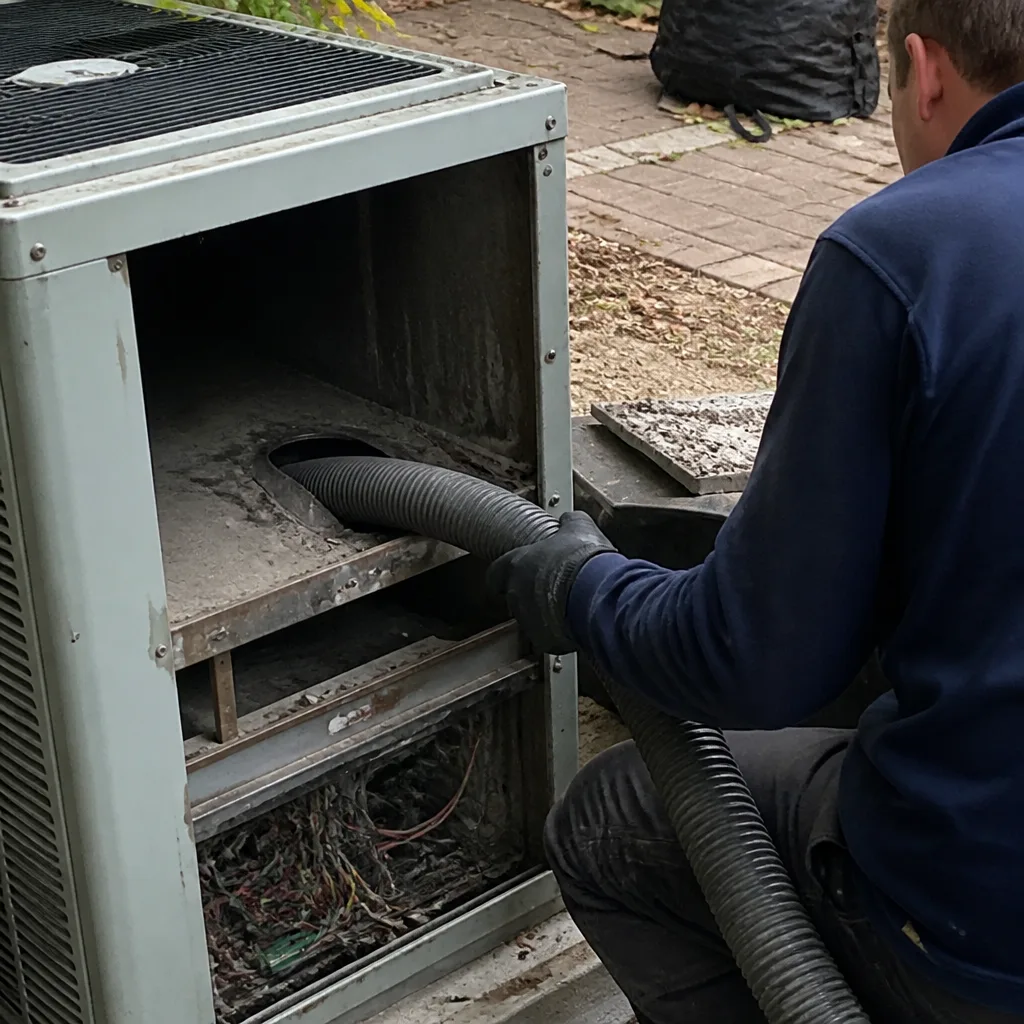 Before
 After
AfterAir Duct Cleaning Warning Signs: A Chandler Homeowner’s Reference Guide
Dust on your register cover is not a warning sign. It’s how registers work. The real signal worth your attention is dark, oily staining at the register throat that follows the airflow path, which indicates particle bypass past your filter, not simple surface accumulation. Most articles on this topic list symptoms without teaching you to distinguish real problems from normal operation; for deeper reading, see our The Complete Guide to Air Duct Cleaning in Chandler. This guide ties each observable sign to a specific probable cause, assigns a severity level, and tells you what a technician should look for to confirm or rule it out. It’s written for Chandler homeowners who want a diagnostic reference, not a fear list.
Quick Answer
The warning signs that indicate your air ducts need Air Duct Cleaning services fall into three tiers: cosmetic signs like light register dusting (schedule at your next planned cleaning), operational signs like persistent musty odor or uneven room temperatures (inspect within 30 days), and immediate flags like visible mold growth, rodent debris, or carbon monoxide detector alerts (do not defer). In Chandler’s climate, where summer cooling loads run 10-12 hours daily, duct leakage and contamination show up faster than in milder regions, making seasonal awareness particularly valuable.
Table of Contents
- A Tiered Severity Framework: Cosmetic, Operational, and Immediate Flags
- Visual Signs: How to Read Your Registers and Return Grilles
- Odor Diagnostics: Musty Startup Smell vs. Persistent Contamination
- Mold vs. Condensation: What You’re Actually Seeing in Chandler Humidity
- Duct Breach vs. Dirty Duct: The Pattern That Tells the Difference
- Rising Summer Bills: When Duct Leakage, Not Equipment Age, Is the Culprit
- Equipment Noise and Airflow: Signs from the Mechanical Side
- Common Mistakes to Avoid
- When to Call a Professional
- Frequently Asked Questions
 Before
 After
AfterA Tiered Severity Framework: Cosmetic, Operational, and Immediate Flags
Not every observation means the same thing. We’ve cleaned ducts in Chandler since 2013, and the most common error we see is homeowners treating a cosmetic issue as an emergency, or worse, ignoring an immediate flag because it looks similar to something benign-something we explore in DIY vs Professional Air Duct Cleaning: The Chandler Homeowner’s Decision Guide. Here’s the framework we use on every evaluation.
Cosmetic Signs: Address at Next Scheduled Cleaning
These are normal byproducts of a working HVAC system. They don’t indicate contamination inside the ductwork itself.
- Light dust accumulation on register louvers and visible cover surfaces
- Faint discoloration on ceiling around the register edge (usually paint aging or minor thermal tracking)
- Occasional dust puff when the system first cycles on after a filter change
The key distinction: these sit on the exposed surface. They wipe away with a damp cloth and don’t return within days in greater quantity.
Operational Signs: Inspect Within 30 Days
These suggest something is happening inside the system that affects performance or air quality. They warrant a scheduled inspection and likely cleaning or repair.
- Persistent musty or sour odor that continues after the first 10 minutes of operation
- Uneven cooling between rooms, especially in Chandler’s July and August heat loads
- Excessive dust resettling on furniture within 48 hours of cleaning
- Increased allergy symptoms among residents when the system runs
- Visible debris blowing from registers during normal operation
Immediate Flags: Do Not Defer
These indicate active health hazards or system damage that can escalate quickly.
- Visible mold growth on any duct interior surface, register throat, or plenum
- Rodent droppings, nesting material, or insect casings at or inside registers
- Carbon monoxide detector activation with no identifiable source (potential backdraft from compromised return)
- Wet insulation inside ductwork or standing water in the plenum
- Sudden, significant airflow reduction combined with unusual mechanical noise
In Chandler’s 115°F summer peaks, a compromised return duct can pull 140°F attic air into the system, creating condensation zones where mold proliferates within 72 hours. That’s why immediate flags in this climate carry higher stakes than in temperate regions.
Visual Signs: How to Read Your Registers and Return Grilles
Your registers and return grilles are the only duct components you can examine without tools. Learning to read them correctly prevents false alarms and catches real problems early.
The Register Throat: Where the Real Information Lives
The register cover is cosmetic. The throat, the painted metal sleeve behind it that connects to the duct run, is diagnostic. Here’s what to look for:
Normal: Light, dry dust that brushes off easily. Uniform color. No pattern following the airflow direction.
Particle bypass: Dark, oily or sticky staining that forms streaks radiating from the duct opening in the direction air flows. This indicates your filter is not sealing properly, is overloaded, or is rated too low for your system’s airflow. The oil comes from cooking particulates and volatile organic compounds that pass the filter, condense on cooler metal, and trap dust. In Chandler, where monsoon dust and urban particulate loads are high, this pattern develops faster than in cleaner air basins.
Active contamination: Clumped debris, hair accumulation, or fibrous material projecting from the throat. This suggests the duct run itself has significant buildup that is migrating to the exit point.
Return Grille Inspection
Return grilles are larger and easier to examine. Remove the filter and shine a flashlight into the duct behind it.
- Normal: Light dust on the first few feet of duct wall, filter frame intact
- Filter bypass: Heavy dust buildup on the duct wall immediately adjacent to the filter frame, especially at corners where air leaks around the filter edge
- Duct contamination: Debris accumulation deeper than arm’s reach, visible only with flashlight extension
We’ve photographed return plenums in Chandler’s Cooper Commons and Ocotillo neighborhoods where the filter was changed regularly but was a 1-inch fiberglass panel in a 5-inch media cabinet, creating a 4-inch gap of unfiltered bypass. The duct wall behind it was caked with a half-inch of desert dust and pet dander. The homeowner thought they were maintaining the system correctly.
Odor Diagnostics: Musty Startup Smell vs. Persistent Contamination
Smell is the most reported warning sign and the most misinterpreted. Two distinct odors require entirely different responses.
The First-Startup Musty Smell
When you first turn on cooling in April or May, a brief musty odor lasting 5-15 minutes is common in Chandler. Here’s why: during winter heating months, the evaporator coil and drain pan hold residual moisture. When the system shuts down for weeks, microbial growth develops on these wet surfaces. The first cooling cycle blows this odor through the ducts.
What to do: If the smell dissipates within 20 minutes and doesn’t return on subsequent cycles, schedule a standard evaporator coil cleaning with your next maintenance visit. The ductwork itself is likely not contaminated. HVAC Cleaning in Chandler addresses this at the source.
What a technician should verify: Drain pan condition, coil cleanliness, and condensate line flow. These are air handler components, not ductwork.
Persistent Odor During Normal Operation
An odor that returns every time the system cycles, or persists continuously, indicates active contamination somewhere in the duct system or air handler. The diagnostic question is: what does it smell like?
| Odor Character | Probable Source | Confirmation Method |
|---|---|---|
| Musty, earthy, like wet cardboard | Organic growth in ducts or plenum, often near condensation points | Moisture meter readings at multiple duct points; surface swab for spore identification |
| Sour, acrid, like dirty socks | Bacterial biofilm on evaporator coil or in standing condensate | Visual coil inspection; pan water sample |
| Sharp, ammonia-like | Rodent urine in ductwork or wall cavity | UV camera inspection for organic fluorescence; scope inspection of duct runs |
| Oily, metallic, like hot machinery | Overheating blower motor or electrical component | Amp draw testing; motor bearing inspection |
| Sweet, chemical, like nail polish remover | Refrigerant leak or adhesive off-gassing from duct liner | Refrigerant pressure test; liner material identification |
The critical distinction: first-startup smell is seasonal and self-limiting. Persistent odor demands inspection. In Chandler, where cooling runs six months continuously, persistent odor rarely resolves without intervention and often worsens as biofilm colonies establish.
Mold vs. Condensation: What You’re Actually Seeing in Chandler Humidity
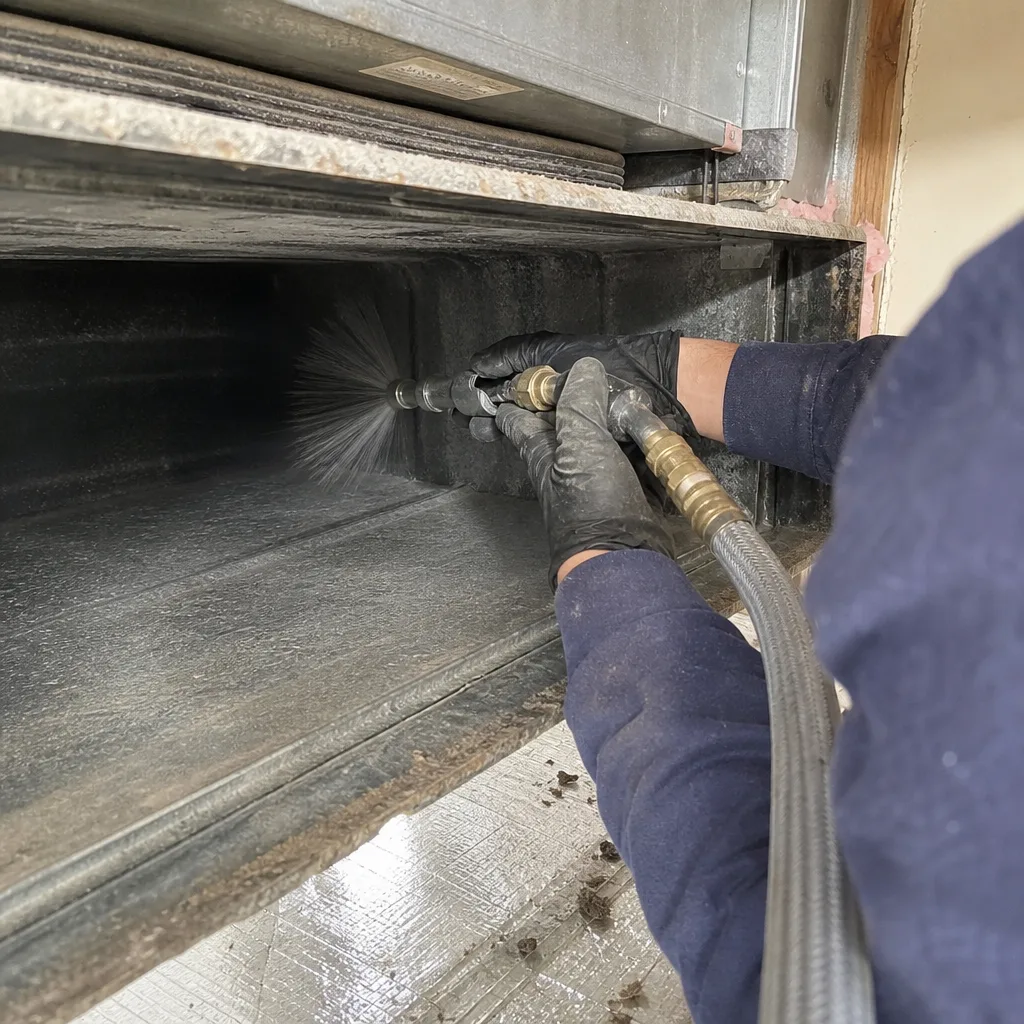
“Mold” is the most feared and most falsely claimed finding in our industry. Here’s how to know what you’re looking at and what verification actually requires.
Condensation-Related Mold Risk
Chandler’s monsoon season, July through mid-September, brings brief spikes in humidity. When 75°F, 60% RH air hits a 55°F duct surface, condensation forms. This creates conditions for mold growth, but growth is not automatic. It requires sustained moisture, organic food source, and time, typically 48-72 hours of continuous wetness.
What you’ll see: dark discoloration at duct joints, on the plenum exterior, or on ceiling drywall near registers. It may wipe away as powder or smear. This is often dust that has absorbed moisture and darkened, not active mold.
Actual Mold Growth
Active mold in ductwork has specific visual characteristics:
- Fuzzy, velvety, or leathery texture, not smooth or powdery
- Color variation within the same colony (white edges, green or black center)
- Growth pattern that follows the airflow direction, spreading downstream from the moisture source
- Musty odor that intensifies when the system runs
What a Technician Must Do to Confirm
Visual assumption is not confirmation. Here’s the proper protocol:
- Moisture mapping: Infrared or pin-type moisture meter readings at multiple points along the duct run to identify active water sources
- Surface sampling: Tape lift or swab sample from the discolored area, sent to a qualified laboratory for spore identification and concentration
- Air sampling: Comparison of spore counts inside the duct, in the conditioned space, and outdoors to determine if the duct is a source or just a pathway
- Source elimination: Identification and repair of the moisture source before any cleaning or remediation proceeds
We have encountered homeowners in Chandler’s Fulton Ranch area who paid for “mold remediation” based on a technician’s visual claim, only to learn from independent lab testing that the discoloration was oxidized dust and rust. At CleanRun, we do not diagnose mold without laboratory confirmation, Haven Standard Clause 7: Documented Findings. The photo record shows what the camera saw; the lab report states what it was.
Duct Breach vs. Dirty Duct: The Pattern That Tells the Difference
This distinction matters because the solutions are entirely different. Cleaning a breached duct is wasted money; sealing a dirty duct misses the point.
The Visual Signature of a Duct Breach
A breach, any gap or separation in the duct wall, pulls unconditioned air from the surrounding space. In Chandler, that surrounding space is typically a 140°F attic in summer or a dusty crawlspace year-round. The pattern this creates is diagnostic:
- Dust accumulation on the ceiling or wall adjacent to the register, not just on the register itself
- Streaking that radiates outward from the register edge, following the path of air escaping through the gap between the duct boot and the ceiling drywall
- Insulation debris (fibrous, gray, or pink) mixed with household dust on the register or nearby surfaces
- Inconsistent temperature: the room with the breach cools poorly despite strong airflow, because much of the air is leaking into the attic
The critical pattern: dust where the duct isn’t. If you’re finding significant debris on surfaces near but not directly under the airflow path, air is escaping the duct before it reaches the register.
The Visual Signature of a Dirty Duct
Contamination inside the ductwork itself deposits at the exit point:
- Uniform dust accumulation on the register louvers and throat, directly in the airflow path
- No debris on adjacent walls or ceiling
- Consistent room temperature; the air that arrives is conditioned, just dirty
- Debris is homogeneous household dust, not mixed with insulation fibers
Confirmation Methods
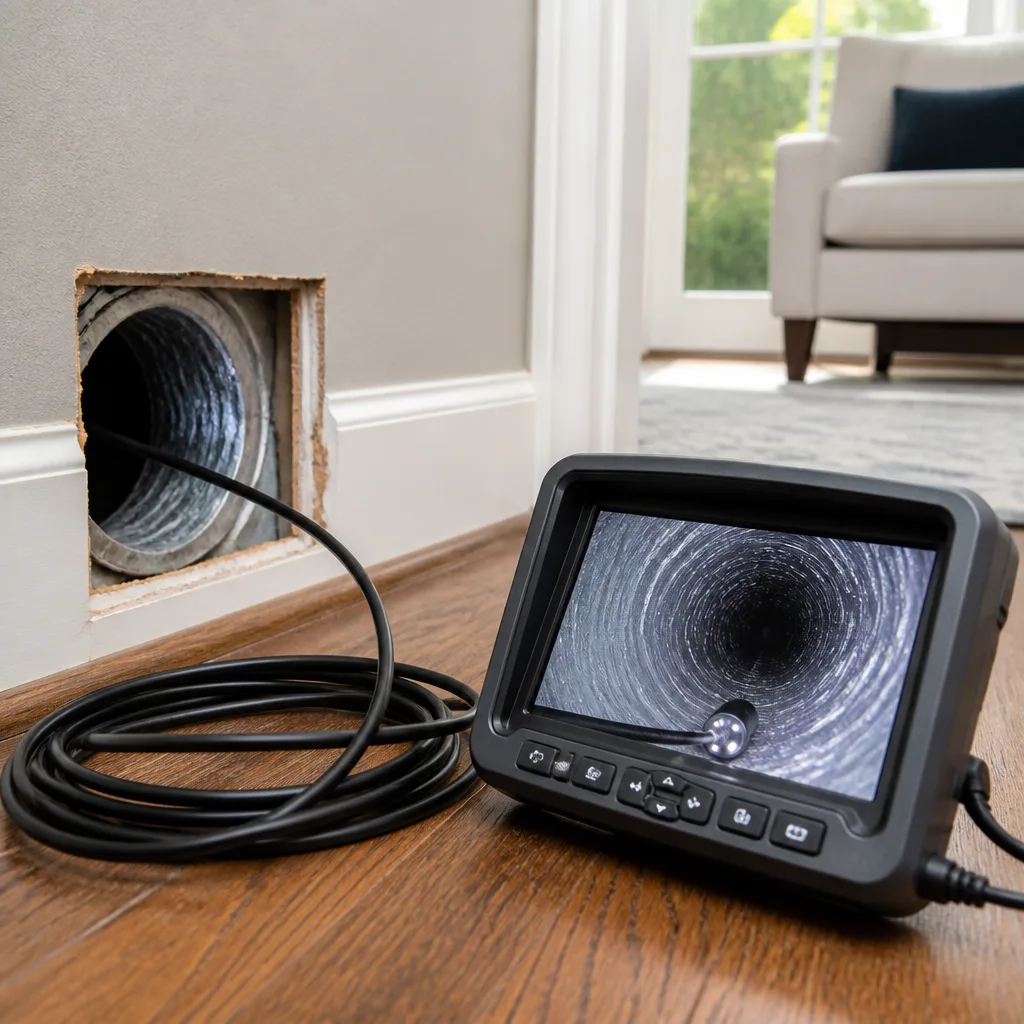
A duct breach is confirmed with a duct blaster test, which pressurizes the duct system and measures leakage to the outside. A dirty duct is confirmed with visual inspection via borescope camera. In our work across Chandler, from the historic homes near Arizona Avenue to newer construction in Sun Groves, we’ve found that post-2005 homes often have breaches at flex duct connections where the zip tie or clamp failed, while pre-2000 homes more commonly have dirty ducts from decades of filter neglect.
Air Duct Cleaning in Chandler addresses contamination. Duct repair and sealing, which we also provide, addresses breaches. The photo record on every CleanRun job shows which problem exists before any work is priced.
Rising Summer Bills: When Duct Leakage, Not Equipment Age, Is the Culprit
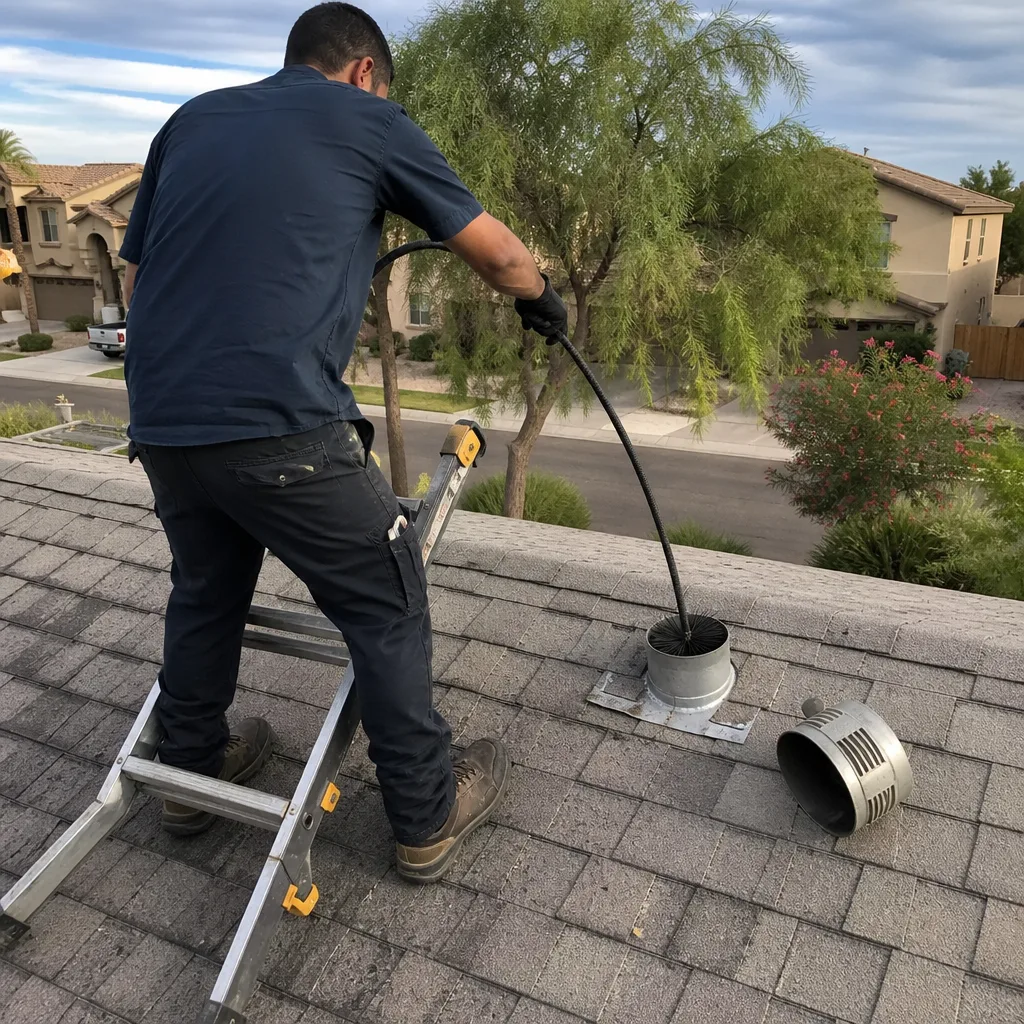
Chandler homeowners often assume rising summer cooling costs mean their AC unit is failing. Before deciding, browse our more guides & resources. Before you accept a $8,000-$15,000 replacement quote, verify whether your ducts are the actual problem.
The Chandler Summer Load Context
From late May through September, Chandler homes run cooling 10-14 hours daily. At those run times, even modest duct leakage creates massive efficiency losses. A 15% leak in an attic duct system means 15% of your conditioned air cools 140°F attic space instead of your living room. The system runs longer to achieve thermostat setpoint. The result: bills rise disproportionately to temperature.
Distinguishing Duct Leakage from Equipment Decline
| Symptom Pattern | Duct Leakage Likely | Equipment Decline Likely |
|---|---|---|
| Bill increase vs. prior same-temperature summer | Sharp jump (20-40%) despite similar thermostat settings | Gradual creep (5-10% annually) |
| Room temperature consistency | Some rooms won’t cool adequately; others are fine | All rooms warm uniformly; system runs constantly |
| Airflow at registers | Strong airflow but inadequate cooling | Weak airflow; may feel cool but insufficient volume |
| System runtime | Normal or slightly extended cycles | Continuous running, never reaching setpoint |
| Attic inspection | Cool air blowing from duct joints or connections | Ducts intact; air handler hot to touch |
What Duct Blaster Testing Can Confirm
A duct blaster is a calibrated fan that pressurizes the duct system to 25 Pascals and measures airflow leakage. Results are expressed as CFM25 (cubic feet per minute at 25 Pascals) or as a percentage of system airflow. The CleanRun Air Duct Cleaning Chandler home standard includes this testing when bill complaints accompany other duct symptoms.
Interpretation for Chandler’s climate:
- Less than 5% leakage: acceptable, not the bill driver
- 5-10% leakage: moderate, worth addressing if bills are problematic
- Over 10% leakage: significant, likely the primary cause of high bills and should be sealed before considering equipment replacement
We’ve documented cases in Chandler’s Carino Estates and Clemente Ranch where homeowners received replacement quotes for “failing” 8-year-old systems. Duct blaster testing showed 18-22% leakage. After sealing, bills dropped to prior-year levels and the system achieved setpoint normally. The equipment was fine. The ducts were not.
Equipment Noise and Airflow: Signs from the Mechanical Side
Not all warning signs are visual or olfactory. Changes in system sound and feel indicate duct problems that cleaning alone won’t fix.
Whistling at Registers
High-pitched whistling, especially at closed or partially closed registers, indicates excessive static pressure. This can mean:
- Ductwork undersized for the blower capacity (common in Chandler’s 1990s-2000s construction where original systems were upgraded without duct modification)
- Blockage in the duct run, from collapsed flex duct or significant debris accumulation
- Too many registers closed, forcing air through restricted paths
Prolonged high static pressure strains the blower motor, reduces efficiency, and can cause premature failure. The sound is the warning.
Rattling or Vibration in Walls
Loose duct connections, especially in flex duct systems, vibrate against framing when airflow increases. In Chandler’s stucco construction, this transmits through walls as a low-frequency rattle. The fix is mechanical securing, not cleaning.
Reduced Airflow at Specific Registers
If one register’s airflow drops while others remain normal, the problem is localized:
- Check the register damper: sometimes partially closed by accident
- Remove register and inspect throat for obstruction: toys, construction debris, collapsed duct liner
- If clear, the duct run itself may be crushed, disconnected, or severely blocked
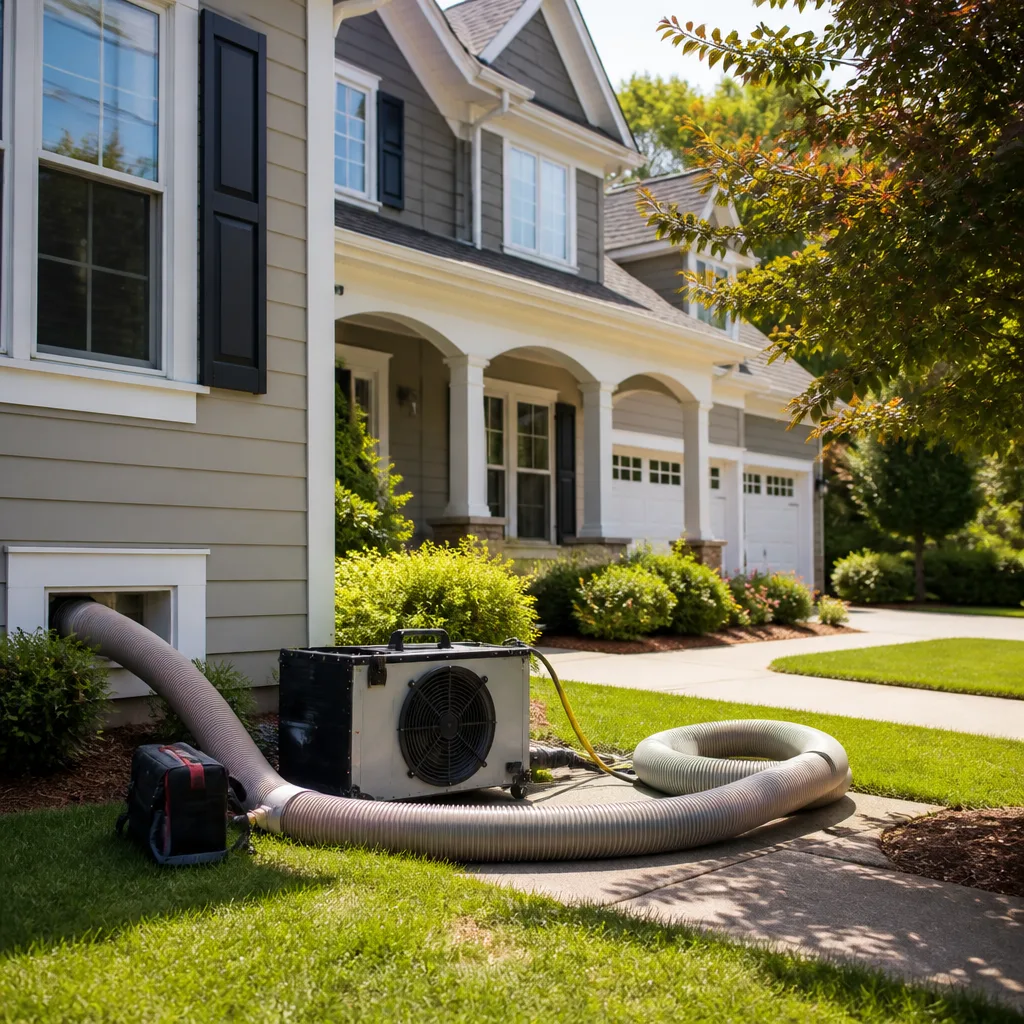
We use Rotobrush and Nikro equipment with camera verification to inspect duct runs internally without destructive access. The photo record shows the obstruction or damage before any repair is priced.
Blower Cycling On and Off Rapidly
Short cycling can indicate a duct system so restricted that the air handler overheats and safety-limits. This is an immediate flag: the system is protecting itself from damage, but the underlying restriction needs prompt identification.
Common Mistakes to Avoid
- Treating every register dusting as an emergency. Light dust on louvers is normal HVAC operation in Chandler’s dusty environment. The sign that matters is staining at the throat that follows airflow direction, indicating filter bypass or duct contamination.
- Accepting visual mold diagnosis without lab confirmation. Discoloration in ducts is often dust, rust, or adhesive degradation. Insist on surface swab sampling before paying for remediation. Haven Standard Clause 7 requires documented findings, not assumptions.
- Replacing HVAC equipment before testing ducts. A $12,000 system replacement won’t fix $1,200 in duct sealing. Demand duct blaster testing when bills spike suddenly and rooms cool unevenly.
- Using the cheapest filter that fits. MERV 1-4 fiberglass panels protect equipment minimally and allow massive particulate bypass. In Chandler’s dust load, use minimum MERV 8 pleated media, properly sized to fill the entire filter frame without gaps.
- Ignoring monsoon season moisture. July-September humidity spikes create temporary condensation. If you see moisture on ducts or registers during this period, increase ventilation and monitor. Persistent moisture beyond the monsoon window indicates a problem; transient moisture does not.
- Hiring based on coupon price without verifying equipment and documentation. A $79 duct cleaning uses a shop vac and no camera. Professional negative-pressure extraction with Rotobrush or Nikro equipment, plus before-and-after photo documentation, costs more because it delivers more. The photo record is your proof of value.
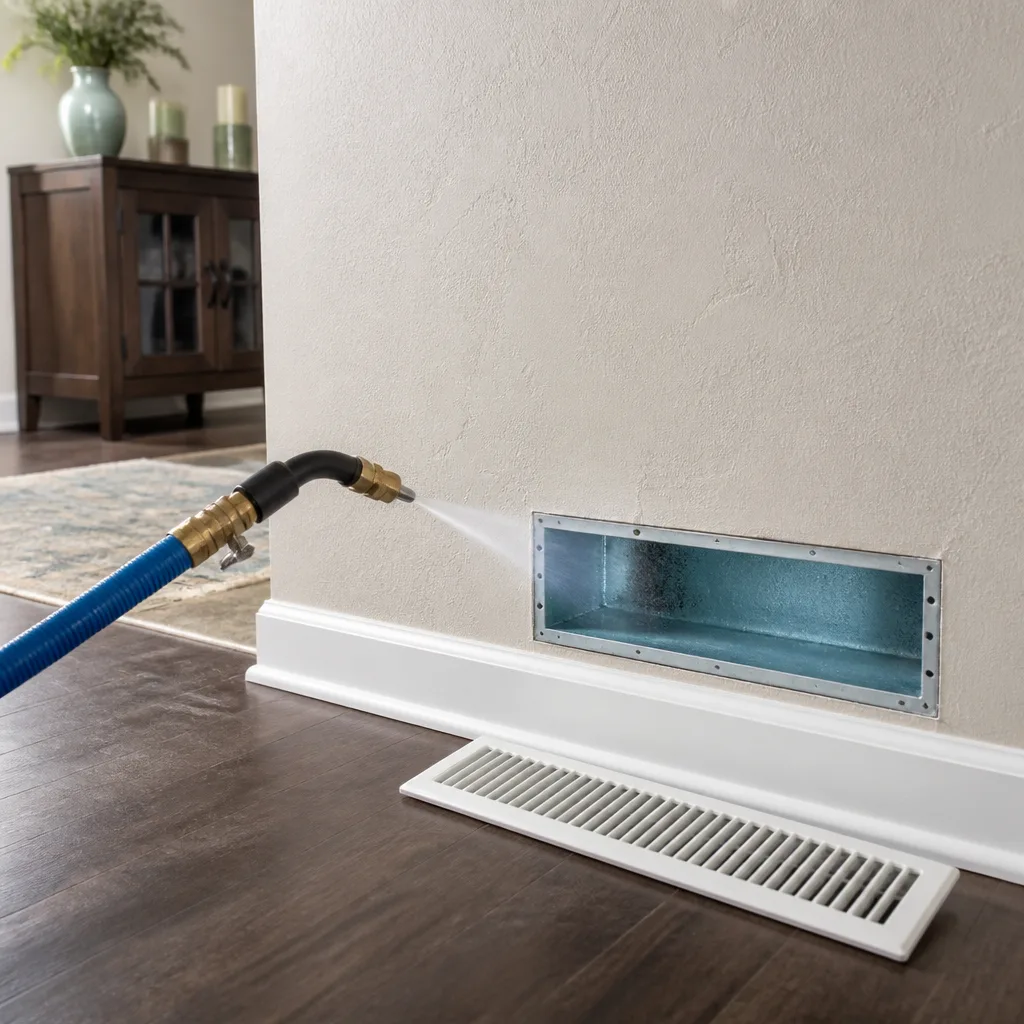
- Sealing ducts without cleaning them first. Aerosol sealant or mastic applied over contaminated surfaces traps debris and can create new odor problems. Clean first, seal second, verify with photo record.
When to Call a Professional
Call for inspection within 48 hours if you observe: visible mold-like growth in any duct component, rodent or insect evidence at registers, carbon monoxide detector activation with no clear source, sudden airflow loss at multiple registers, or wet insulation or standing water in the plenum. These are immediate flags that can escalate to health hazards or equipment damage.
For operational signs, persistent musty odor, uneven cooling, or dust accumulation that returns within days of cleaning, schedule an inspection within 30 days. These conditions worsen gradually but don’t resolve without intervention.
CleanRun Air Duct Cleaning Chandler offers free estimates in Chandler. Every estimate includes a written price before any work starts, under Haven Standard Clause 1. We bring Rotobrush and Nikro equipment, camera inspection capability, and the documented photo record that shows you what we found before you decide. Call (520) 464-6297.
Frequently Asked Questions
Whole-system air duct cleaning for a typical Chandler home ranges from $450 to $850, depending on system size, accessibility, and contamination level. This covers all supply and return duct runs, the main trunk lines, and the plenum, with before-and-after photo documentation included. CleanRun provides a written price before any work starts, every time, under Haven Standard Clause 1. Call (520) 464-6297 for an exact quote on your system, estimates are free.
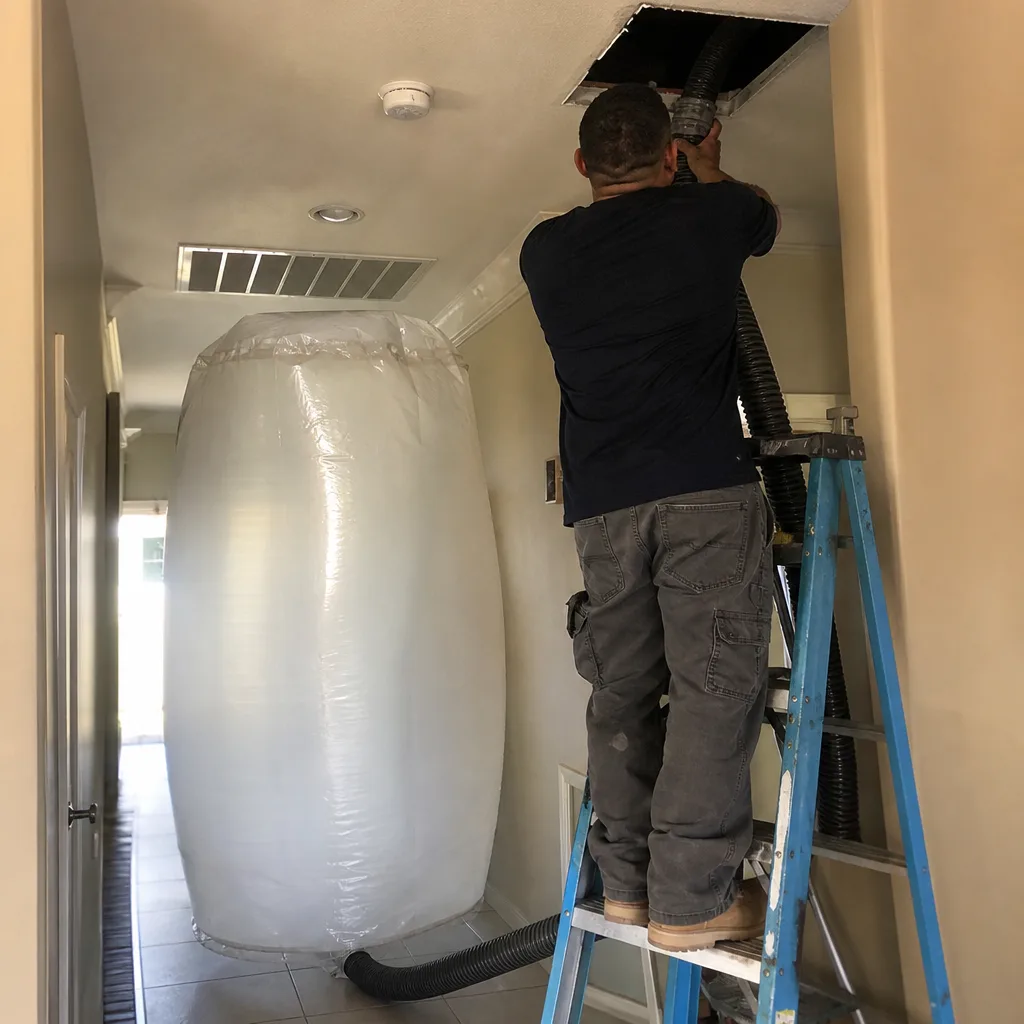
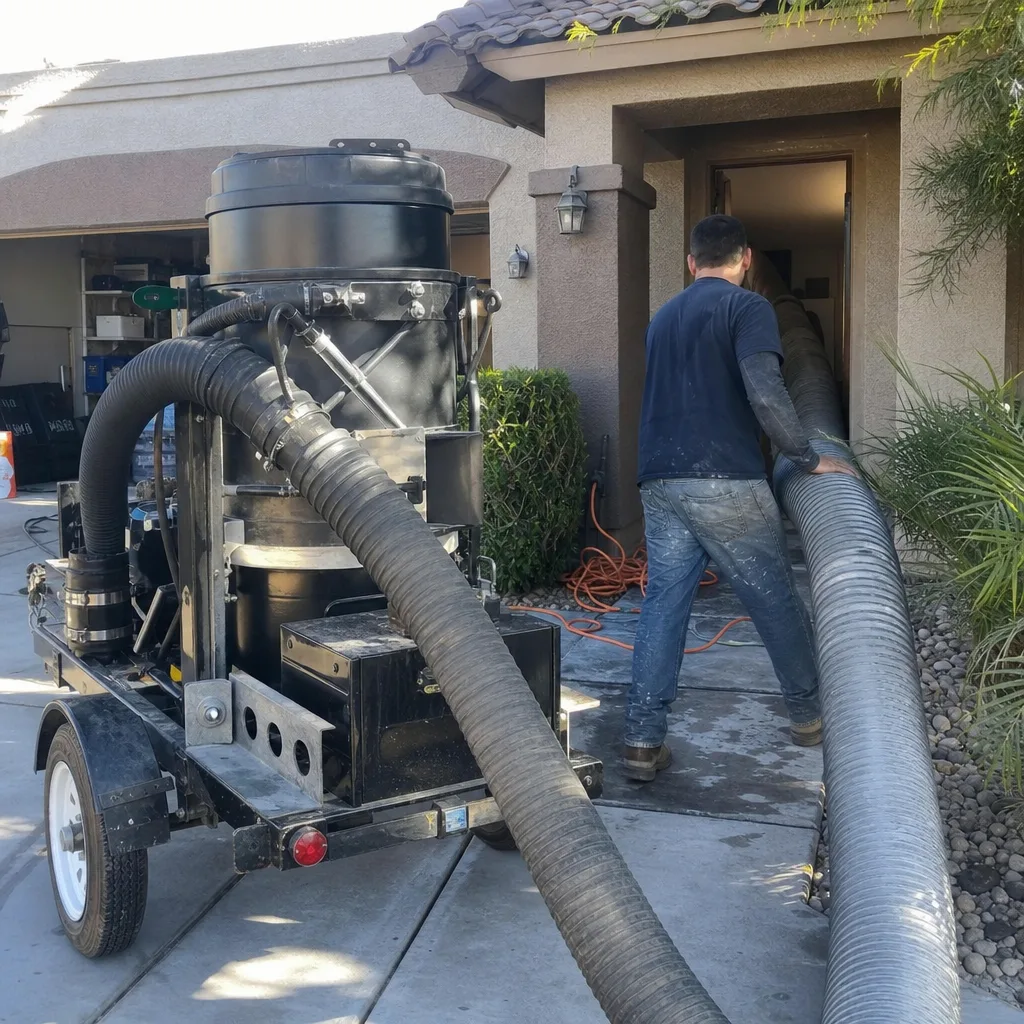
Low quotes typically cover only visible register cleaning with a portable vacuum, not full-system negative-pressure extraction. The equipment difference is substantial: a shop vac moves roughly 100 CFM, while our Nikro and Rotobrush systems pull 2,000+ CFM through HEPA filtration. Cheap quotes also omit camera inspection, photo documentation, and proper containment. The result is often vacuum noise with no measurable improvement inside the ducts. We publish our equipment brands so customers can verify capabilities before agreeing to any price.
Demand a documented photo record of every duct run, before and after. This is standard on every CleanRun job, included at no additional cost, and delivered as part of your job record. If a company cannot or will not provide dated, labeled photos from inside your specific ducts, you have no verification that the work occurred. Haven Standard Clause 7 requires documented findings on every visit.
For most Chandler homes with regular filter changes, every 5-7 years is adequate. Homes with pets, recent construction, or residents with respiratory sensitivities may benefit from 3-5 year intervals. Monsoon dust, which Chandler experiences annually, accelerates accumulation slightly compared to drier climates. The better indicator than calendar time is the operational signs in this guide: persistent odor, visible contamination, or documented debris in the photo record from prior cleaning.
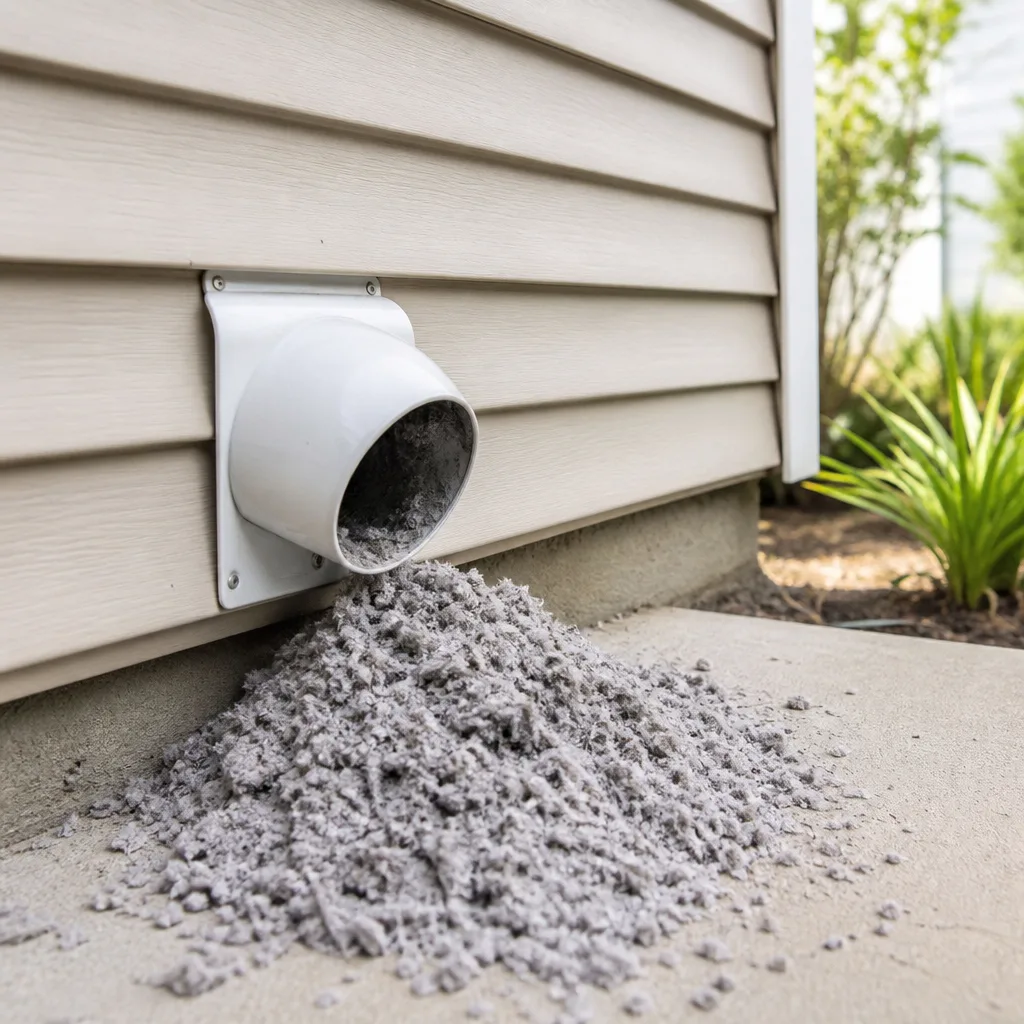
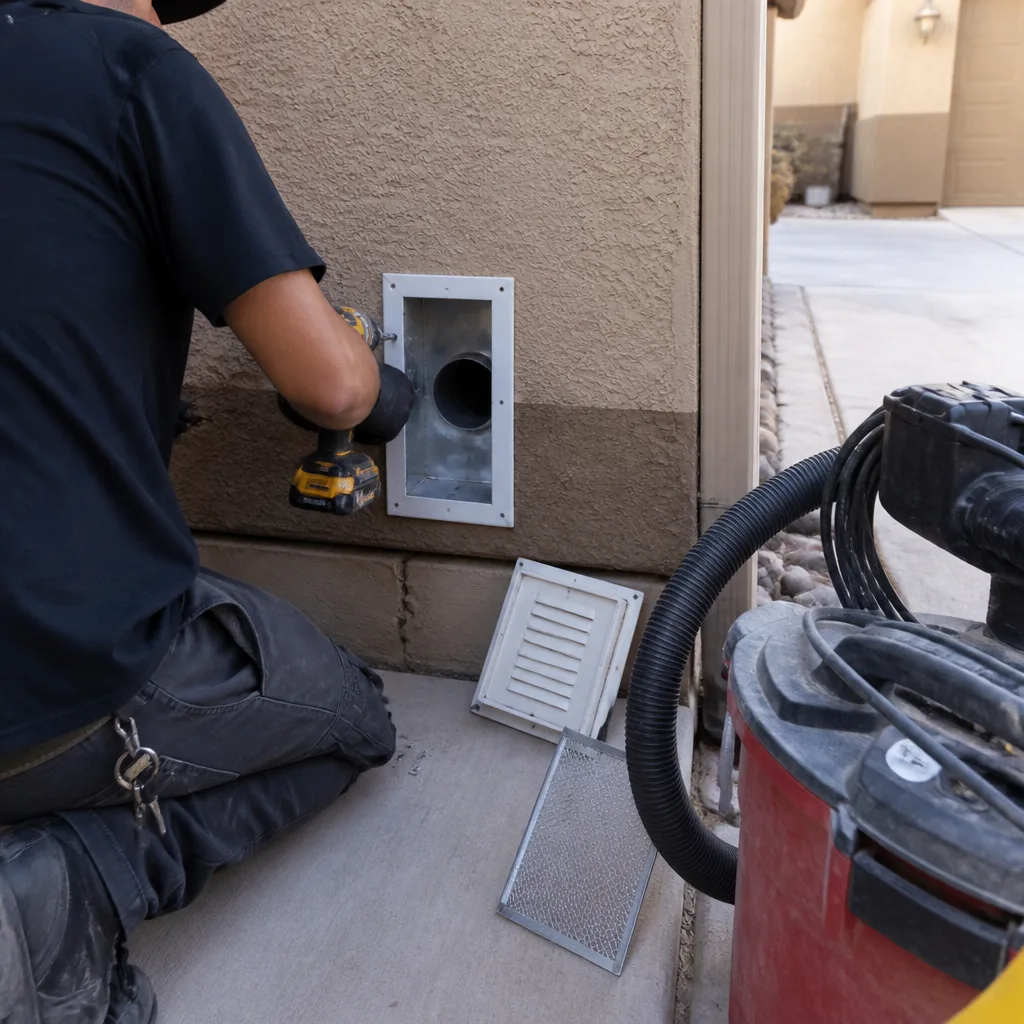
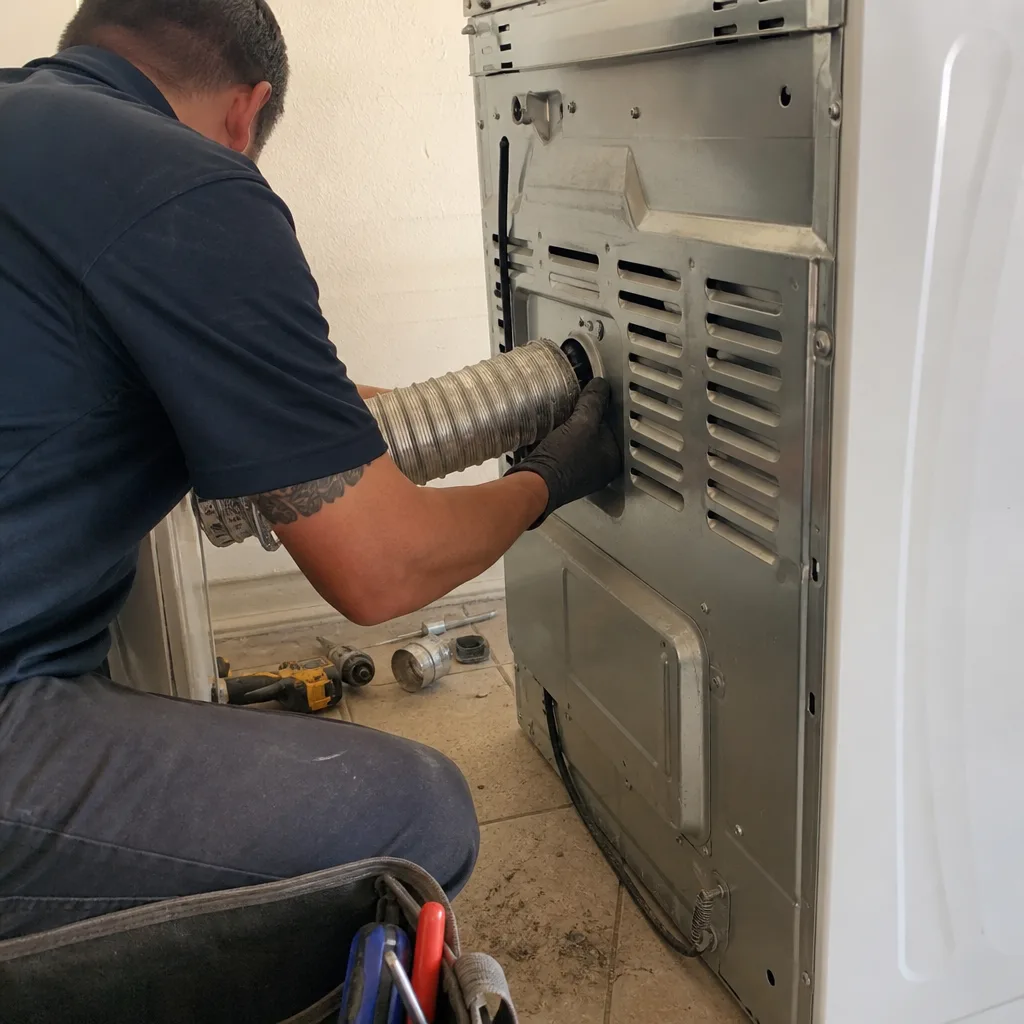
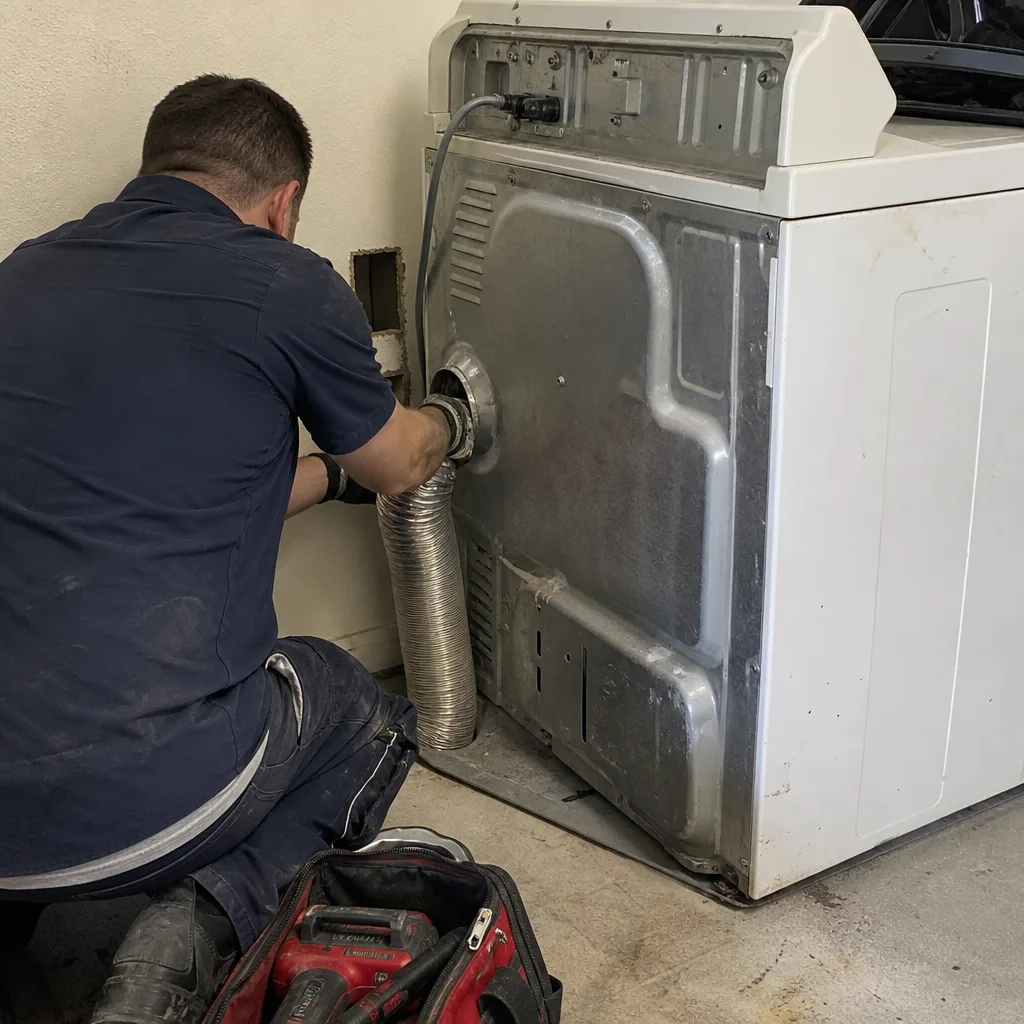
Surface cleaning of registers and visible throat areas is safe homeowner maintenance. Internal duct cleaning requires negative-pressure containment equipment, HEPA filtration, and borescope verification to avoid damaging flex duct or dispersing contamination into the home. We do not recommend DIY internal cleaning; the risk of making the problem worse exceeds any cost savings. For dryer vent cleaning, which involves fire risk from lint accumulation, Dryer Vent Cleaning in Chandler should be handled by equipped professionals.
Air duct cleaning addresses the distribution network: supply and return ducts, trunk lines, and plenum. HVAC cleaning addresses the air handler components: evaporator coil, blower assembly, drain pan, and cabinet. In Chandler’s climate, where cooling dominates, a dirty evaporator coil can cause identical symptoms to dirty ducts, musty odor, reduced efficiency, uneven cooling. A complete evaluation determines which is the actual source. CleanRun offers both services and scopes only what the evidence supports.
It can, if the ducts are a significant source of allergen reservoirs. Pet dander, pollen, and dust mite debris accumulate in ductwork over years and resuspend when the system cycles. However, duct cleaning is not a medical treatment and should not be sold as one. The photo record shows whether allergen accumulation is present; if it is, removal reduces reservoir exposure. If ducts are relatively clean, the allergen source is elsewhere, carpet, upholstery, or the coil, and cleaning ducts won’t help. We scope first and report what the camera finds.
The Bottom Line
Warning signs are only useful when you can distinguish real problems from normal operation. Dust on a register cover is not an emergency. Dark, oily staining at the throat that follows airflow is. A brief musty smell on first startup is seasonal. Persistent odor every cycle is not. Rising bills with uneven room temperatures point to duct leakage before equipment failure. And any claim of mold should be backed by laboratory confirmation, not a technician’s visual guess. In Chandler’s demanding climate, where your system works harder and longer than in most of the country, accurate diagnosis saves money and prevents unnecessary work. Document the evidence, verify the findings, and price only what the evidence supports.
Written by Tomas Reyes, Owner at CleanRun Air Duct Cleaning Chandler, serving Chandler since 2013.