
Last updated September 23, 2026
Whole-system duct and dryer vent check with before-and-after photos - you see exactly what came out of your vents
That "$99 whole-house special" is a bait ad - the real number appears once they are in your hallway, or the "clean" is a shop-vac at the register. We photograph the inside of your ducts before and after instead.
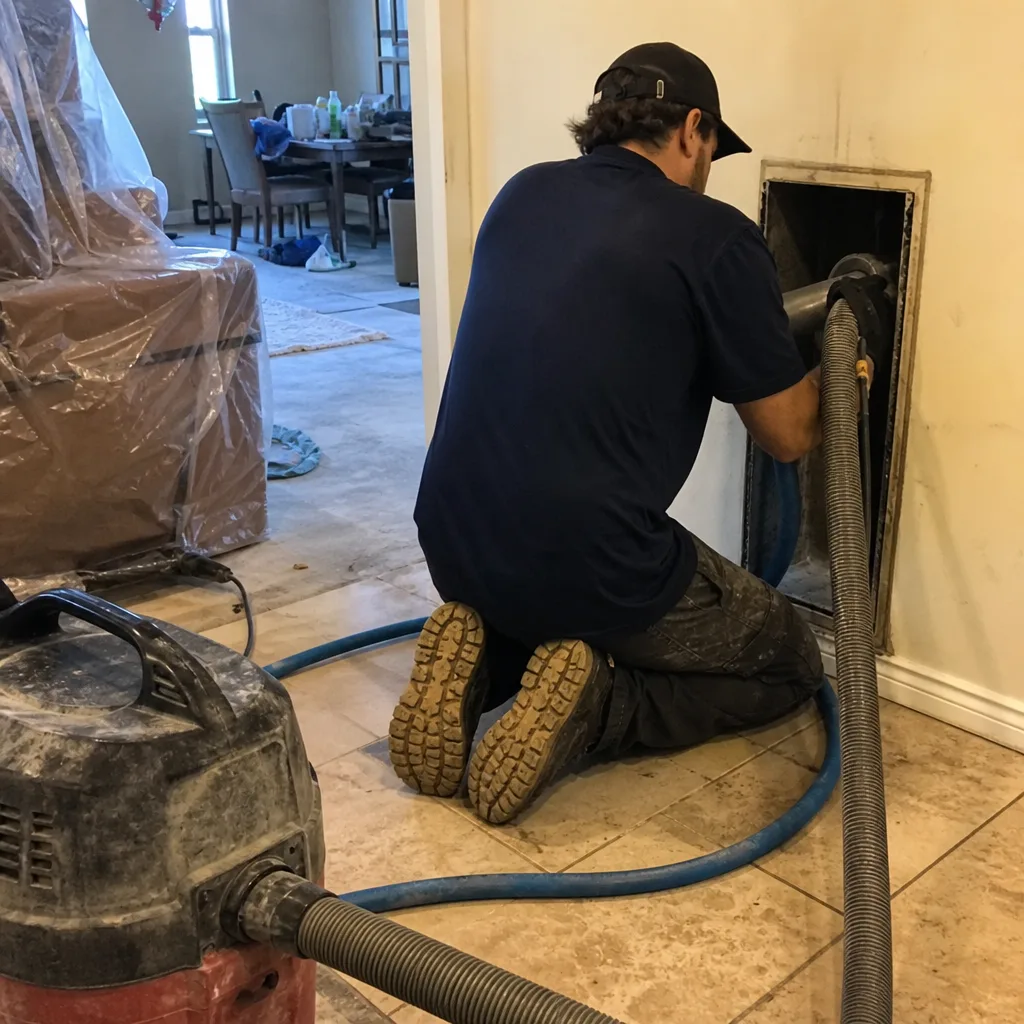 Before
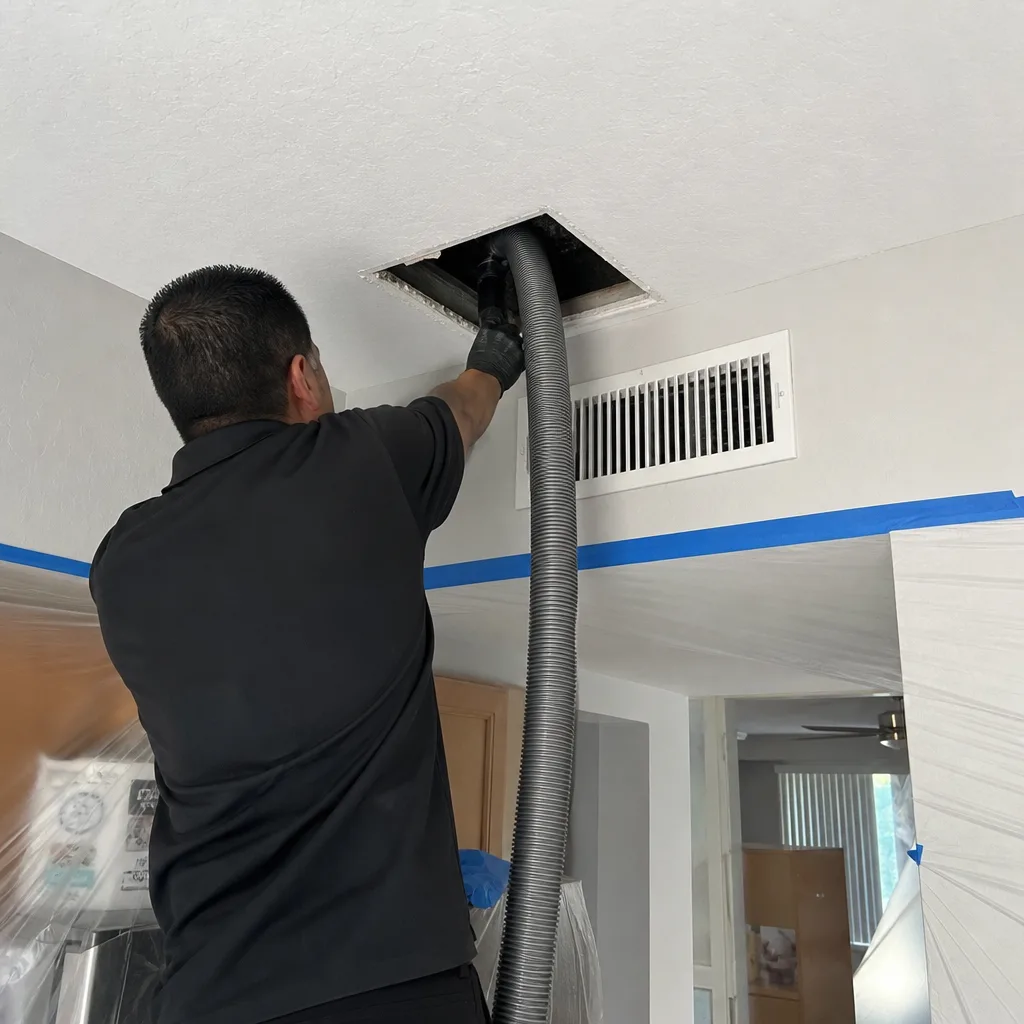 After
After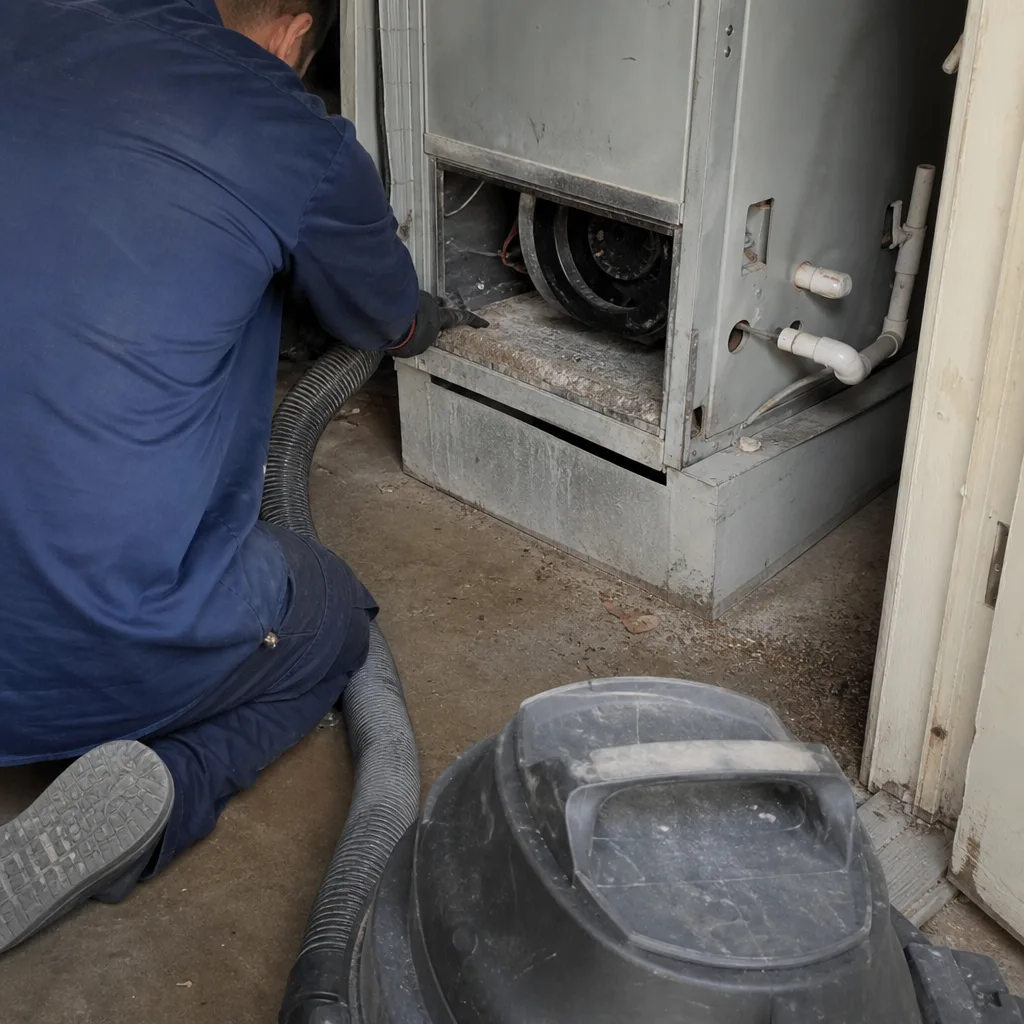 Before
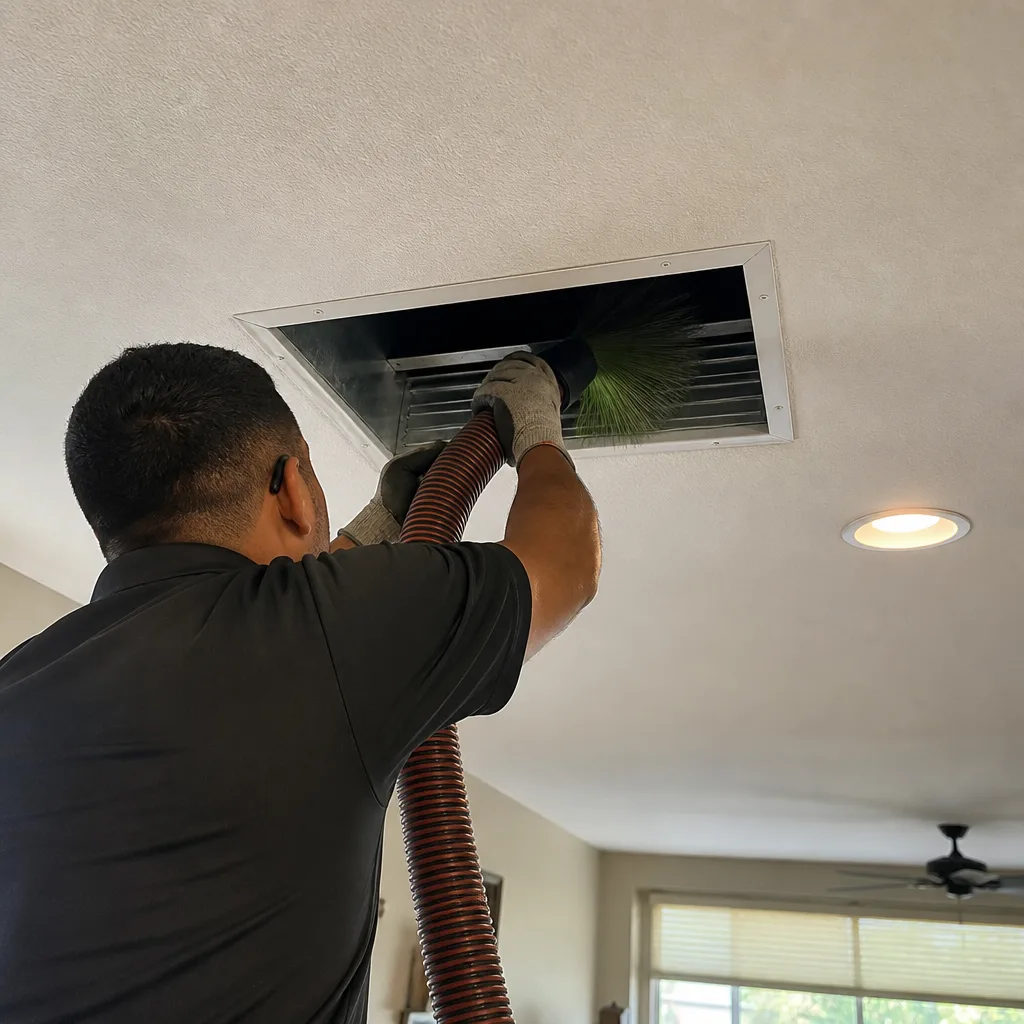 After
After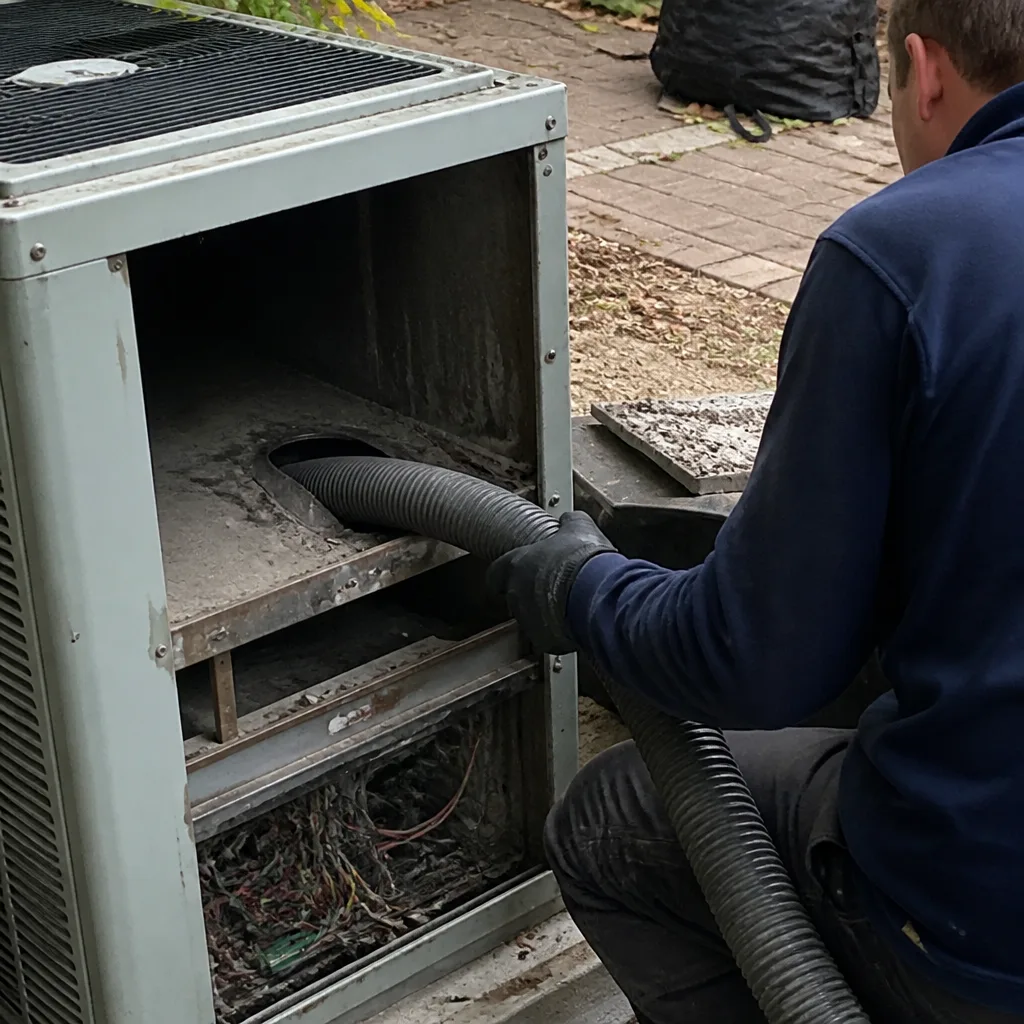 Before
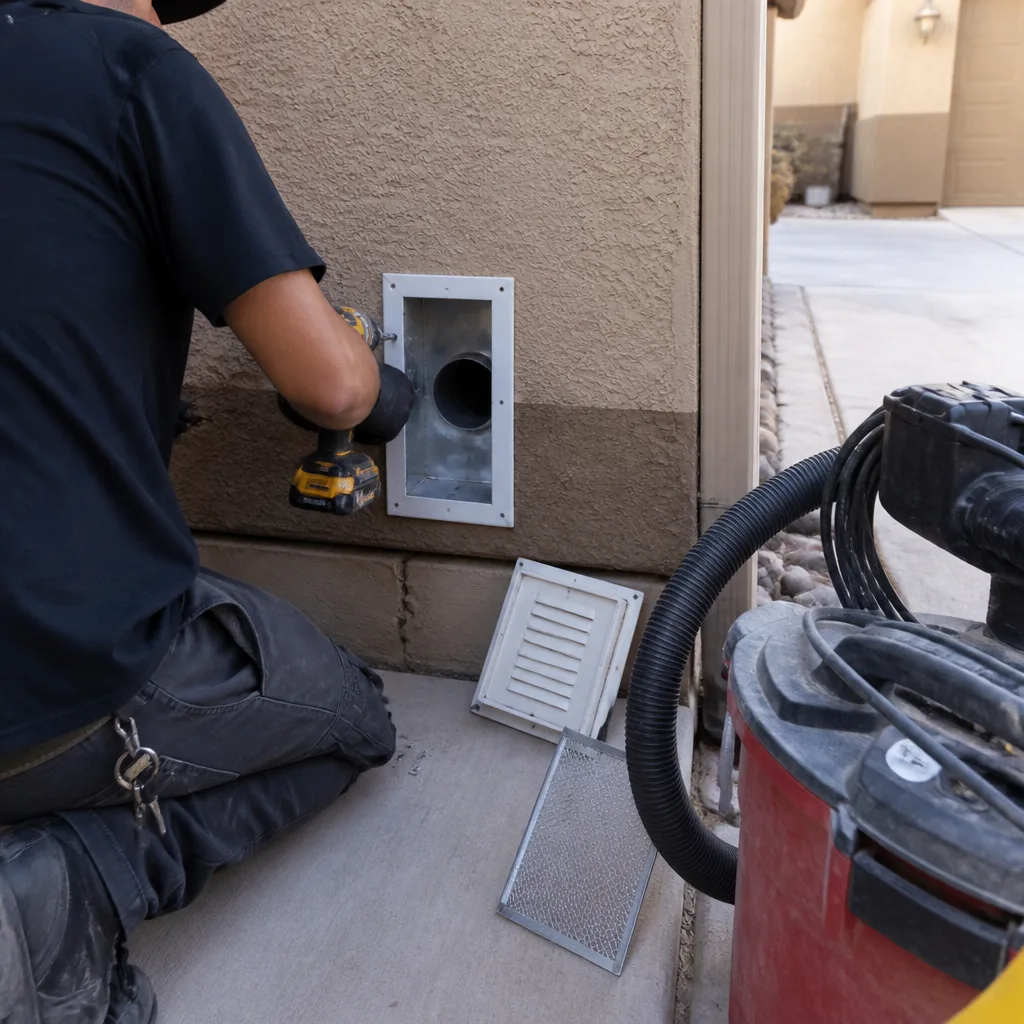 After
AfterDIY vs Professional Air Duct Cleaning: The Chandler Homeowner’s Decision Guide
A homeowner with a vacuum, a brush, and two hours can clean every register cover and the first six inches of every duct run - and that work has real value. But it leaves 90% of the duct surface area untouched, which is exactly what a $79 shop-vac operation also leaves untouched. In Chandler, where fine silica dust and caliche particles settle into ductwork with a tenacity that surprises transplants from wetter climates, the question isn’t whether ducts need attention. It’s which tasks a homeowner can perform with genuine benefit, and which require equipment that cannot be rented at a hardware store. This guide separates the two categories with precision, names real prices, and shows you what documentation separates a documented job from vacuum noise.
Quick Answer
Homeowners in Chandler can legitimately maintain register covers, visible duct throats, filter housings, and return air grilles without professional help. Deep duct cleaning - the removal of adhered debris from full duct runs, plenum chambers, and HVAC coils - requires negative-pressure extraction systems, rotary agitation tools, and inspection cameras that document the result. A documented professional job for a typical Chandler home runs $450-$850 for a complete system, while consumer-grade tools for surface maintenance cost $80-$150 and address roughly 10% of total duct surface area.
Table of Contents
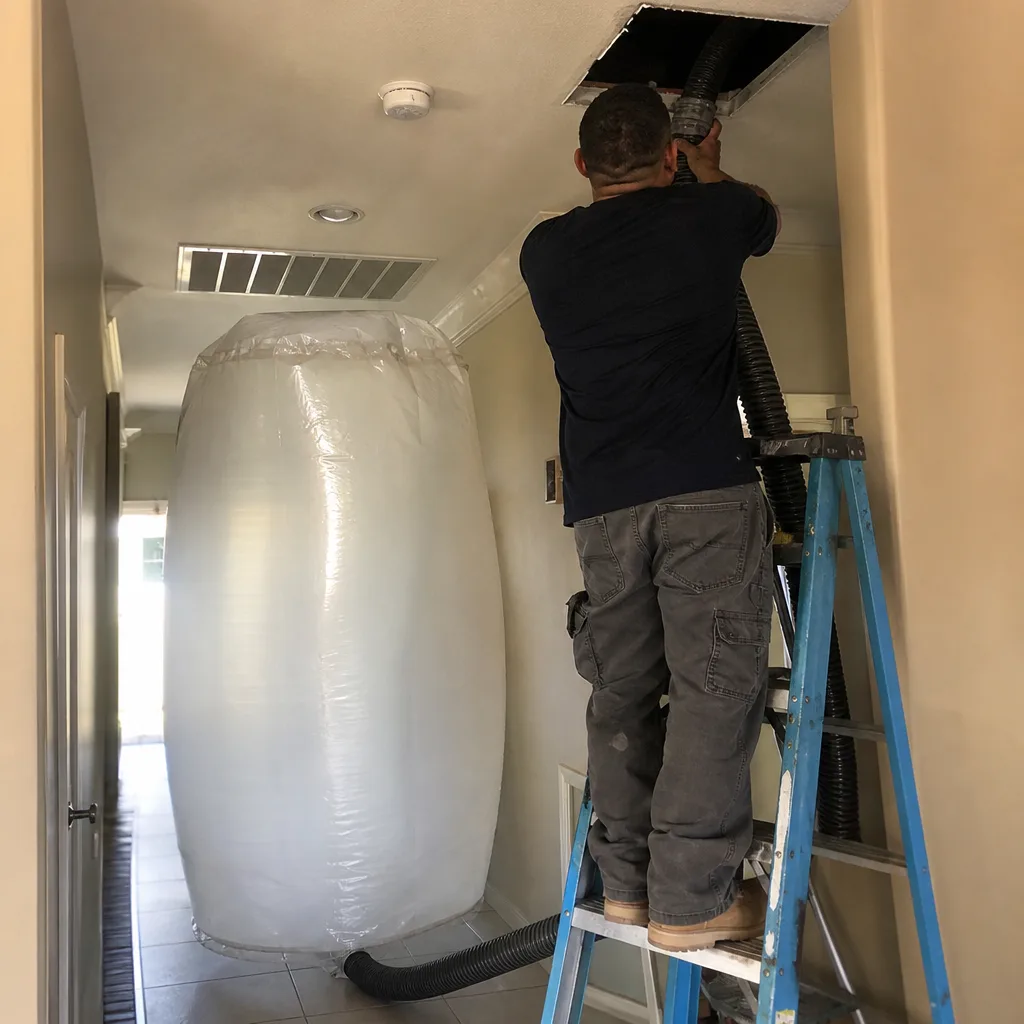
- What Homeowners Can Legitimately Do Themselves
- What Tools Real Professionals Use (And Why You Can’t Replicate Them)
- How Chandler’s Dust Composition Changes the Math
- Honest Cost Comparison: DIY Tools vs. Documented Professional Work
- When DIY Inspection Catches Something That Requires a Pro
- Red Flags: The $79 Coupon and the Shop-Vac Operation
- What Real Documentation Looks Like
- Common Mistakes to Avoid
- When to Call a Professional
- Frequently Asked Questions
 Before
 After
AfterWhat Homeowners Can Legitimately Do Themselves
There is genuine value in homeowner-performed maintenance. The confusion sets in when this maintenance is conflated with full-system cleaning. We have seen well-meaning Chandler customers disappointed because they spent a Saturday on worthwhile tasks and assumed the job was finished.
Here is what a homeowner can accomplish with standard household tools and a few hours:
- Remove and clean all register covers. Soak metal covers in warm water with mild detergent, scrub with a brush, dry completely before reinstalling. Plastic covers can warp in hot water; use lukewarm. This removes the visible dust accumulation that blows back into rooms when the system cycles.
- Vacuum the visible duct throat. The first 4-8 inches of duct behind each register are accessible with a vacuum hose and a soft brush attachment. This is the “duct throat,” and it collects the heaviest debris because it’s where airflow slows and particles drop out.
- Clean the filter housing and return air grille. The return path pulls air from your living space, so its grille and the filter rack behind it accumulate skin cells, pet hair, and fine dust. Remove the grille if possible, vacuum the filter housing with the filter removed, and wipe down all surfaces.
- Replace or clean the filter. This is the single most impactful maintenance task a homeowner performs. In Chandler, where the AC runs 8-10 months annually, a clogged filter restricts airflow, strains the blower motor, and can cause evaporator coil icing. We recommend checking monthly during peak season.
- Visual inspection with a flashlight and smartphone. Look for visible mold, standing water, pest evidence, or disconnected duct segments. Document what you see with photos. This observation has value we will explain in the next section.
These five tasks address the accessible 10% of your duct system. They improve air quality at the point of delivery and reduce the load on your filter. They do not clean the main trunk lines, branch ducts, plenum, or HVAC components. That distinction matters because some competitors in the Chandler market would charge you $400 for essentially these same five tasks performed with a louder vacuum.
In Ocotillo and Fulton Ranch, where newer homes often have flex duct runs with multiple elbows, the accessible portion shrinks to perhaps 6 inches past each register. The remaining ductwork snakes through attic spaces with 140°F summer temperatures. No homeowner is expected to enter that environment with a shop vac.
What Tools Real Professionals Use (And Why You Can’t Replicate Them)
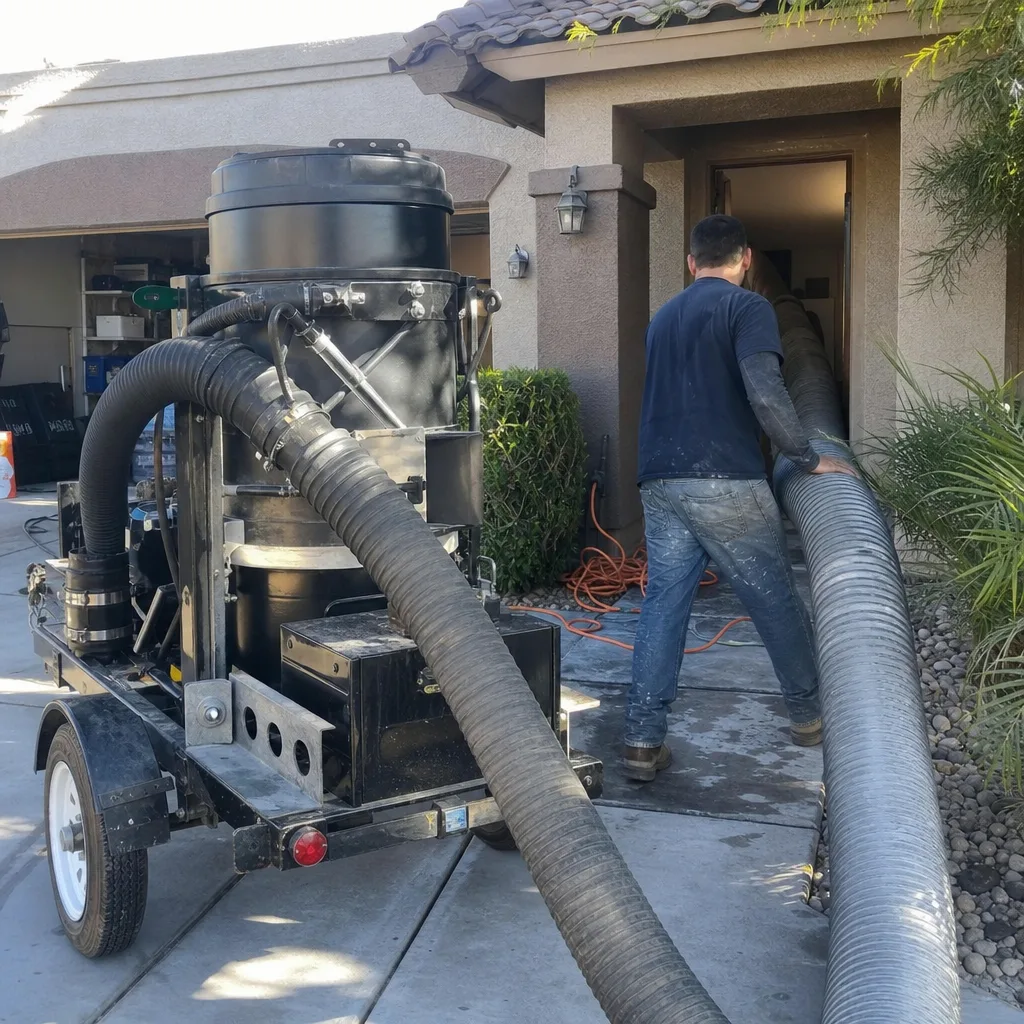
Professional duct cleaning operates on a different physical principle than surface vacuuming. The goal is not to suck visible dust from accessible openings. The goal is to dislodge adhered debris from the full interior surface of every duct run, suspend it in a controlled airflow stream, and extract it from the system without releasing it into the living space.
This requires three categories of equipment that cannot be approximated with consumer tools:
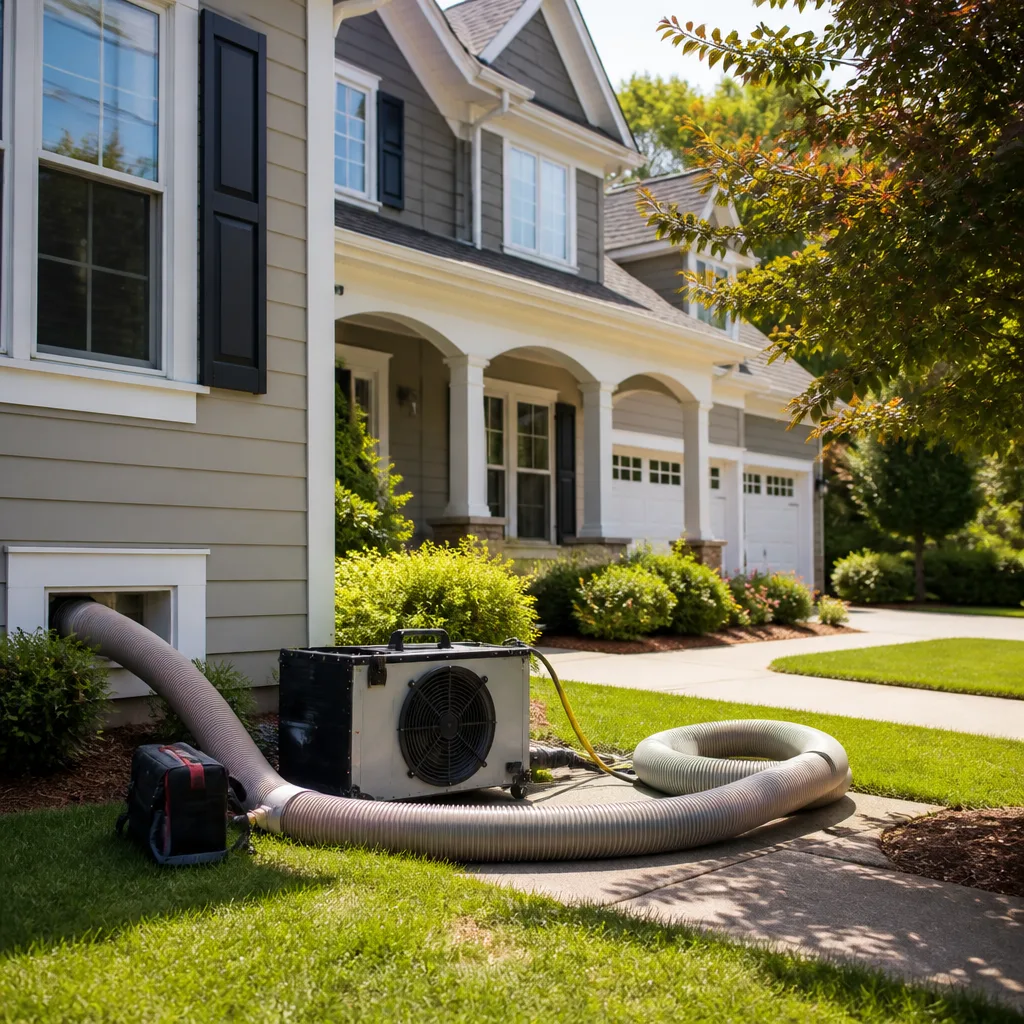
Negative-pressure extraction units. These are either truck-mounted systems drawing 10,000+ CFM or portable HEPA-filtered units rated for the total air volume of residential duct systems. The negative pressure - suction, in plain terms - must exceed the system’s blower capacity to prevent debris from escaping into the home during agitation. A shop vacuum generates roughly 100-200 CFM. A Rotobrush portable extraction unit, which CleanRun deploys on jobs where truck access is limited, generates 2,000+ CFM with HEPA filtration to 0.3 microns. The physics are not close.
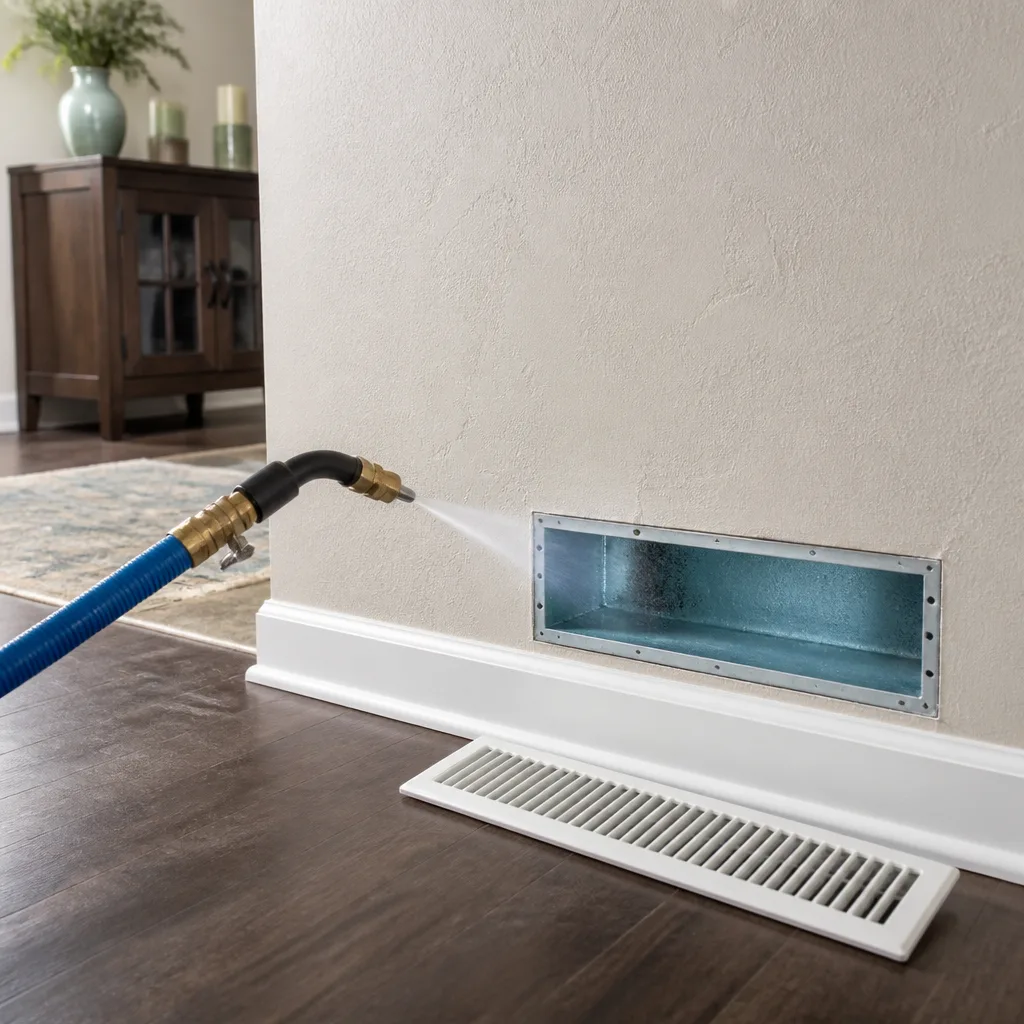
Rotary contact agitation tools. Debris adheres to duct walls through electrostatic attraction, humidity cycling, and the simple glue of time. Suction alone will not remove it. Professional systems use rotating brushes, whips, or compressed-air tools that physically contact the duct interior to break this adhesion. The Abatement Technologies equipment we use includes brush systems sized for duct diameters from 4 inches to 24 inches, with torque control to avoid damaging flex duct or dislodging connections. A homeowner’s dryer vent brush, extended on a drill, might reach 10 feet into a straight run before binding or breaking. It will not navigate elbows, will not maintain consistent wall contact, and will not extract what it dislodges.
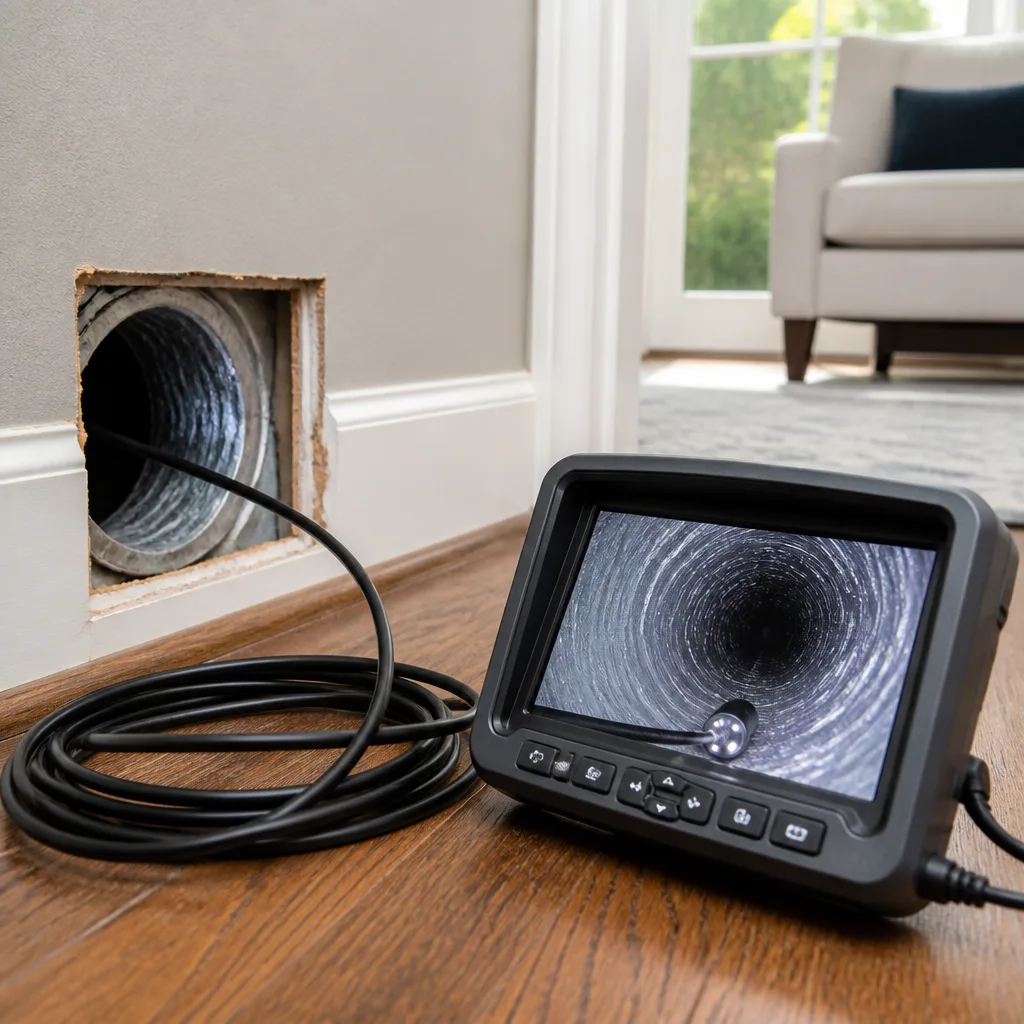
Inspection cameras. Documentation is how you know the work occurred. CleanRun photographs the interior of every duct run before and after cleaning, with timestamped images delivered as part of the standard job record. This practice, held since our first job in 2013, requires borescope cameras with LED lighting and sufficient resolution to show debris accumulation at elbows and joints. A smartphone flashlight pointed down a register shows darkness. A borescope shows the 3-inch debris build-up at the first elbow that explains why the master bedroom never cools evenly.
Additional professional equipment addresses specific components: compressed-air tools for coil cleaning, fogging systems for sanitizing (where appropriate and requested), and manometers to verify that duct pressure balances are restored after cleaning. Honeywell and Aprilaire air quality monitors are sometimes installed post-cleaning to establish baseline performance metrics.
The capital investment for this equipment roster runs $15,000-$40,000 for a fully equipped service vehicle. The training to operate it without damaging ductwork or HVAC components requires months, not a weekend. This is not gatekeeping. It is the difference between a documented outcome and a plausible story.
How Chandler’s Dust Composition Changes the Math
Chandler’s desert environment produces dust with characteristics that differ materially from what homeowners in humid climates encounter. This affects whether surface cleaning achieves meaningful results.
The dominant components of Chandler household dust are:
- Fine silica particles (quartz and feldspar fragments), typically 1-10 microns in diameter, from desert soil disturbance and construction activity.
- Caliche - calcium carbonate-cemented soil common in the Sonoran Desert - which fractures into abrasive, irregular particles that adhere aggressively to metal and flex duct surfaces.
- Seasonal pollen from mesquite, palo verde, and olive trees, which peaks March through May and can accumulate in return ducts during high-ventilation periods.
- Construction debris in newer developments like Cadence or the Price Corridor, where ongoing building generates fine particulate that infiltrates homes for years after move-in.
Silica and caliche share a critical property: they are hydrophilic in their raw state but become electrostatically charged and mechanically interlocked with duct surfaces through repeated humidity cycling. Chandler’s extreme diurnal temperature swings - 40°F+ in shoulder seasons - cause duct materials to expand and contract, effectively pressing fine particles into surface irregularities. A surface vacuum pass removes loose material. It does not remove adhered silica or caliche.
Particle size matters for health relevance, not just cleanliness. Silica particles under 4 microns respirable fraction can penetrate deep into lung tissue. The EPA and OSHA have established exposure limits for respirable crystalline silica in occupational settings. While residential exposure levels are typically lower, the chronic low-level exposure from recirculating duct systems in homes with significant accumulation is not well-studied and is not zero-risk.
This is why rotary agitation matters in Chandler specifically. The mechanical action breaks the adhesion between silica/caliche particles and duct walls, allowing negative-pressure extraction to remove them. A shop vacuum, even a powerful one, leaves this material in place to be re-entrained when the system cycles.
In older Chandler neighborhoods like Dobson Ranch, where galvanized steel ductwork from the 1970s and 1980s has developed internal corrosion and pitting, the surface area for particle adhesion is multiplied. These homes often show the most dramatic before-and-after documentation because the physical texture of aged metal holds debris that smooth modern flex duct releases more readily.
Honest Cost Comparison: DIY Tools vs. Documented Professional Work
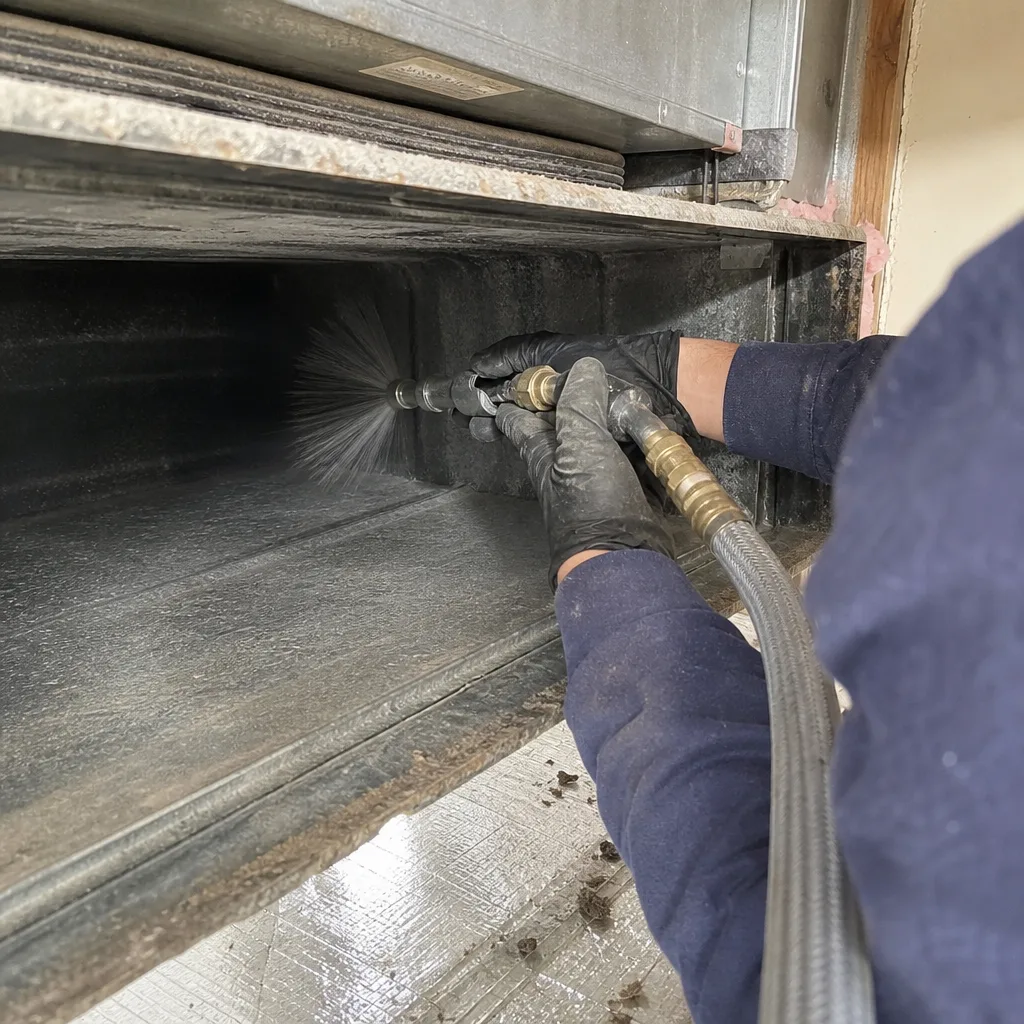
Cost comparisons fail when they compare unlike scopes. A $79 coupon for “whole house duct cleaning” is not a cheaper version of professional work. It is a different service entirely, typically consisting of register vacuuming and a brief pass with a portable unit that generates insufficient negative pressure to prevent recontamination. We will address this separately. Here is an honest comparison of homeowner maintenance costs versus documented professional cleaning.
Homeowner Maintenance Investment
| Item | Cost | Lifespan / Frequency |
|---|---|---|
| HEPA vacuum with brush attachments | $150-$300 | 10+ years |
| Register cover cleaning supplies | $15-$25 | Annual |
| Quality pleated filters (4-5 changes/year) | $60-$120 | Annual |
| Basic borescope camera (smartphone-compatible) | $40-$80 | 5+ years |
| Extension duster for return grilles | $15-$30 | 5+ years |
Total first-year investment: $280-$555. Ongoing annual cost (filters, supplies): $75-$145.
This investment maintains the accessible portions of your system and supports early detection of problems. It does not clean internal duct runs.
Documented Professional Cleaning
| Scope | Price Range (Chandler market) | What It Includes |
|---|---|---|
| Basic system cleaning (up to 12 registers, single HVAC unit) | $450-$650 | All duct runs, plenum, registers, before/after photo record |
| Extended system (13-20 registers, larger home) | $650-$850 | Additional duct runs, multiple returns, photo record |
| System with HVAC coil and blower cleaning | $750-$1,100 | Full duct cleaning plus evaporator coil, blower assembly, photo record |
| Dryer vent cleaning (separate service) | $150-$250 | Full vent run from dryer to exterior, airflow verification |
These are whole-system prices agreed in writing before work begins, per Haven Standard Clause 1. CleanRun does not quote per-vent pricing because it incentivizes incomplete work. The price covers the system, however many registers it has, and it is delivered in writing before a single panel comes off.
The honest economic question is not whether $450 is more than $80. It is whether the $80 expenditure achieves the outcome you are seeking. If your goal is cleaner air at the point of delivery and reduced filter load, homeowner maintenance delivers real value. If your goal is removal of accumulated debris from the full duct system, only professional equipment achieves it.
For Air Duct Cleaning in Chandler, CleanRun provides free estimates with written pricing - no “call for a quote” required.
When DIY Inspection Catches Something That Requires a Pro
Homeowner inspection is not a substitute for professional service. It is a useful first step that can identify conditions requiring professional attention. We have responded to hundreds of Chandler calls where the homeowner’s observation, documented with a smartphone photo, allowed us to arrive with the correct equipment and scope the job accurately.
Here is what to look for during your maintenance routine, and what each finding means:
- Visible mold growth. Mold in ducts appears as dark spotting, fuzzy growth, or musty odor from registers. Do not attempt to clean this yourself. Disturbing mold colonies releases spores into the living space. Professional remediation requires containment, negative-pressure isolation, and often post-treatment verification. Note the location and extent, photograph it, and call for evaluation.
- Standing water or moisture staining. Water in ductwork indicates condensate drainage problems, duct leakage drawing humid attic air, or roof/duct penetration leaks. In Chandler’s monsoon season (July-September), we see increased calls for this condition. Water accelerates microbial growth and degrades flex duct insulation. It requires source identification before any cleaning is performed.
- Pest evidence. Rodent droppings, nesting material, or insect casings in ductwork require pest control coordination before cleaning. Cleaning alone does not address entry points or active infestation. We coordinate with licensed pest control operators in Chandler when this condition is found.
- Disconnected or damaged duct segments. In attics with 140°F+ summer temperatures, duct tape adhesive fails, flex duct sags and tears at supports, and connections separate. A disconnected duct in an unconditioned attic blows cooled air into 140°F space and draws superheated attic air into the system. This is an energy and air quality problem that cleaning cannot fix.
- Severe debris accumulation beyond the duct throat. If your borescope shows debris extending past the first elbow, or if you can see material visibly packed in return ducts, professional equipment is required. The depth and adhesion exceed consumer tool capability.
Your inspection has value when it provides information that scopes the professional response. Bring your photos to the estimate. A technician who sees documented conditions can confirm the required approach and include it in the written price.
Red Flags: The $79 Coupon and the Shop-Vac Operation
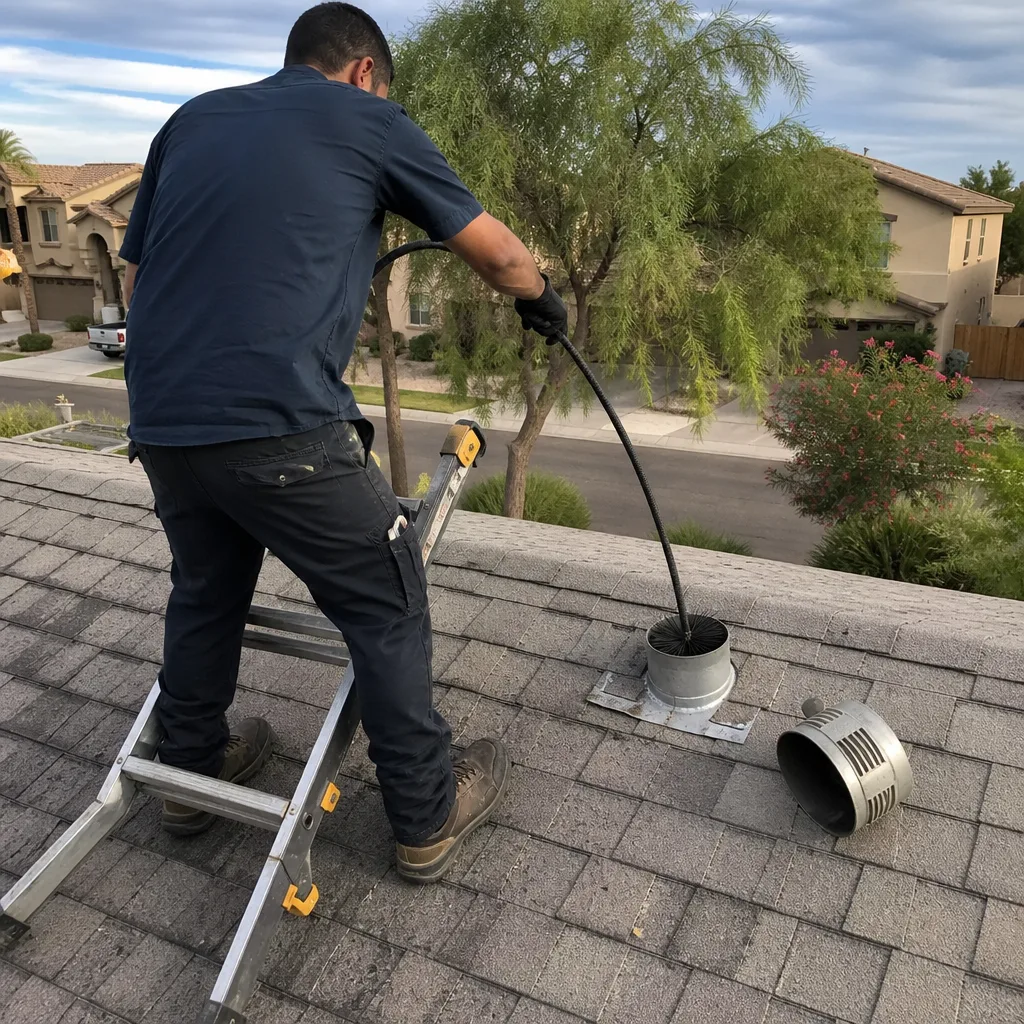
The CleanRun Air Duct Cleaning Chandler home page explains our positioning against coupon-based operators. Here we will be specific about what that operation looks like, so you can recognize it whether you choose CleanRun or not.
The $79 duct cleaning model survives on upsell conversion. The technician arrives with a portable unit that generates insufficient negative pressure, performs 30-45 minutes of register vacuuming, then presents “discovered” conditions requiring additional charges: mold treatment ($300-$500), coil cleaning ($200-$400), sanitizer fogging ($150-$250). The final invoice typically runs $600-$1,200 for work that was not properly performed at any price.
Specific indicators of this operation:
- No written price before work begins. The estimate is verbal, flexible, and changes after the technician enters the home. Haven Standard Clause 1 requires written pricing before any work starts; its absence is a fundamental failure.
- No documentation of results. The technician claims ducts are clean but provides no photographic evidence from inside the runs. You are expected to trust that the 20-minute vacuum pass achieved what 2 hours of professional equipment could not.
- Per-vent pricing. This structure incentivizes the technician to declare some vents “not needing service” or to rush through a high volume of vents inadequately. Whole-system pricing aligns the contractor’s incentive with complete work.
- Unmarked vehicles or lack of uniform/identification. Haven Standard Clause 3: Verified Crews requires background-checked, uniformed technicians identified by name before arrival. Technicians arriving in personal vehicles with magnetic signs fail this standard.
- Pressure for immediate add-on services. The technician discovers conditions that “must be addressed today” with prices not included in the coupon. Real conditions exist; real professionals document them, explain them, and allow you time to decide.
The shop-vac operation, even when honestly priced at $200-$300, performs essentially the same scope as homeowner maintenance: register cleaning and brief throat vacuuming. It does not clean internal duct runs. It does not document results. It leaves the homeowner with a receipt and unchanged air quality.
In Chandler’s competitive market, we have encountered customers in Andersen Springs and Corona del Sol who paid $250 for this service annually for years, accumulating no documentation and seeing no measurable difference in air quality or system performance. The cumulative expenditure exceeded one documented professional cleaning that would have provided a baseline for future maintenance decisions.
What Real Documentation Looks Like
Documentation is how you verify that work occurred, how you establish a baseline for future comparison, and how you hold a contractor accountable. CleanRun’s Documented Photo Record, included on every visit since 2013, is not a marketing differentiator. It is a standard deliverable that every customer receives.
What the documentation includes:
- Before images of every duct run. Timestamped, with register identifier (e.g., “Master Bedroom - East Wall”). These show debris accumulation, construction debris, or other conditions found.
- After images of the same locations. Showing the same duct run post-cleaning, with debris removed and surface condition visible.
- Written scope of work performed. Specific registers accessed, equipment used, any repairs or findings noted.
- Written price agreement. The Haven Standard Clause 1 price, signed before work began, with no modifications unless change-ordered by the customer.
- 365-Day Done Right Promise documentation. The written guarantee, not a policy subject to manager approval, that the work was performed correctly and will be corrected if not.
This documentation serves practical purposes beyond verification. For home sellers in Chandler’s active market, it provides transferable evidence of maintenance to prospective buyers. For warranty claims on HVAC equipment, it establishes that duct cleaning was performed to manufacturer specifications. For health-related concerns, it provides dated evidence of conditions found and addressed.
We have had customers in Valencia and Tiburon bring five-year-old photo records to new home purchases, asking us to compare current conditions to the documented baseline. This is only possible because the original work was recorded, not merely claimed.
For HVAC Cleaning in Chandler, the same documentation standard applies to coil, blower, and plenum work.
Common Mistakes to Avoid
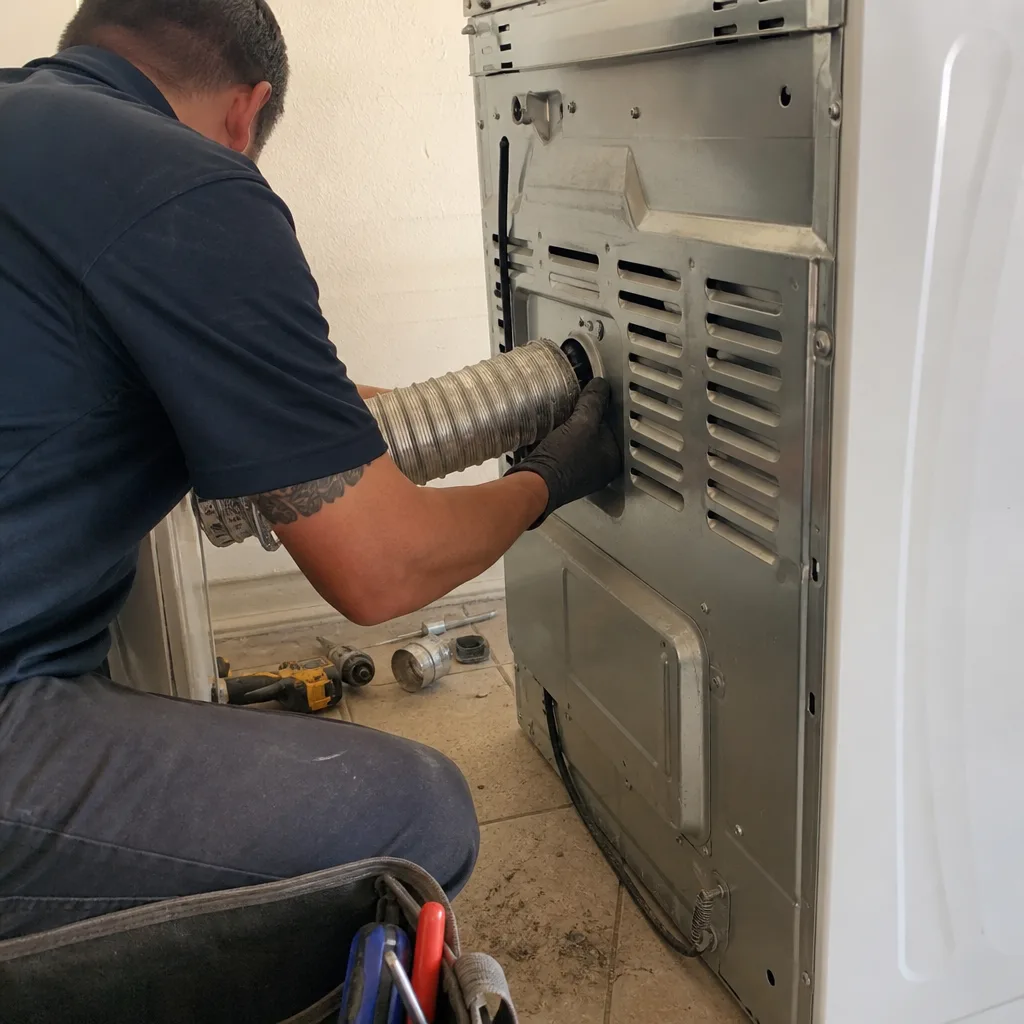
- Using a standard vacuum without HEPA filtration. Non-HEPA vacuums exhaust fine particles through the motor housing, redistributing them into the living space. In Chandler’s silica-dust environment, this can increase rather than decrease respirable particle exposure.
- Agitating debris without extraction capability. A brush on a drill extension dislodges material but leaves it suspended in the duct, where the system blower will redistribute it when next cycled. Never agitate what you cannot extract.
- Ignoring the return side. Homeowners often focus on supply registers (where conditioned air exits) while neglecting return grilles (where air is drawn back to the HVAC unit). The return path typically contains more debris because it lacks the filter protection of the supply side.
- Cleaning registers during system operation. Removing registers while the blower cycles draws debris into the duct throat and potentially damages the blower motor from unrestricted airflow. Always shut off the system at the thermostat before maintenance.
- Assuming new construction means clean ducts. Chandler’s rapid development means many “new” homes have ductwork contaminated with construction debris: drywall dust, wood particles, insulation fragments, and worker debris. We have documented significant accumulation in homes less than two years old in communities along the 202 corridor.
- Delaying professional assessment after DIY inspection finds concerns. Mold, moisture, or pest evidence does not improve with time. The cost of remediation increases with delay, and secondary damage to ductwork or HVAC components can result.
- Choosing based on lowest price without comparing scope. A $79 coupon and a $650 written price are not competing offers for the same service. They are different services with different outcomes. Compare documentation standards, equipment specifications, and written guarantees, not headline prices.
When to Call a Professional
Call a professional when your inspection reveals conditions beyond surface maintenance, when your system has never been professionally cleaned and is more than five years old, or when you require documentation for health, warranty, or real estate purposes. In Chandler’s dust environment, homes with pets, recent construction, or occupants with respiratory sensitivities benefit from documented baseline cleaning followed by regular homeowner maintenance.
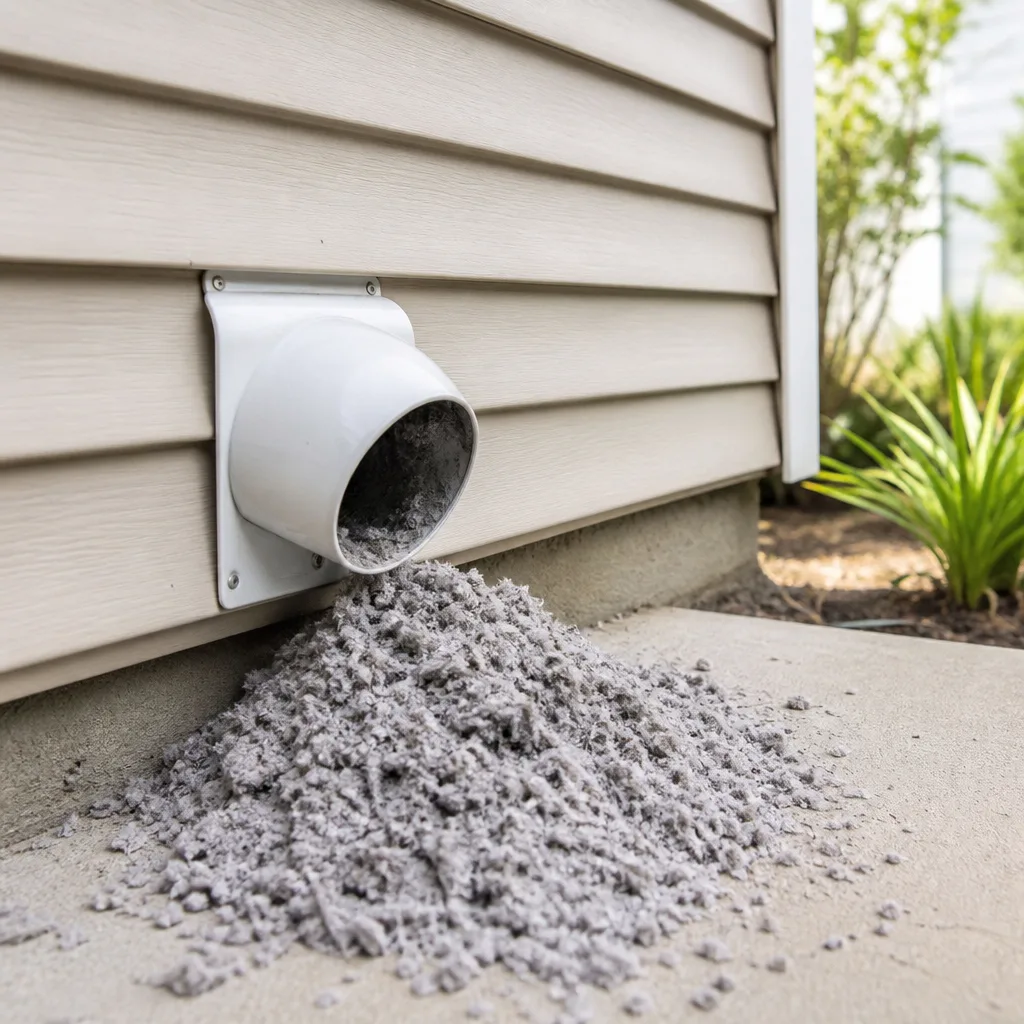
CleanRun Air Duct Cleaning Chandler offers free estimates with written pricing in Chandler and surrounding communities. Every estimate includes a scope-specific price delivered before any work begins, with no obligation. Call (520) 464-6297 to schedule. For Dryer Vent Cleaning in Chandler, the same standards apply.
Frequently Asked Questions
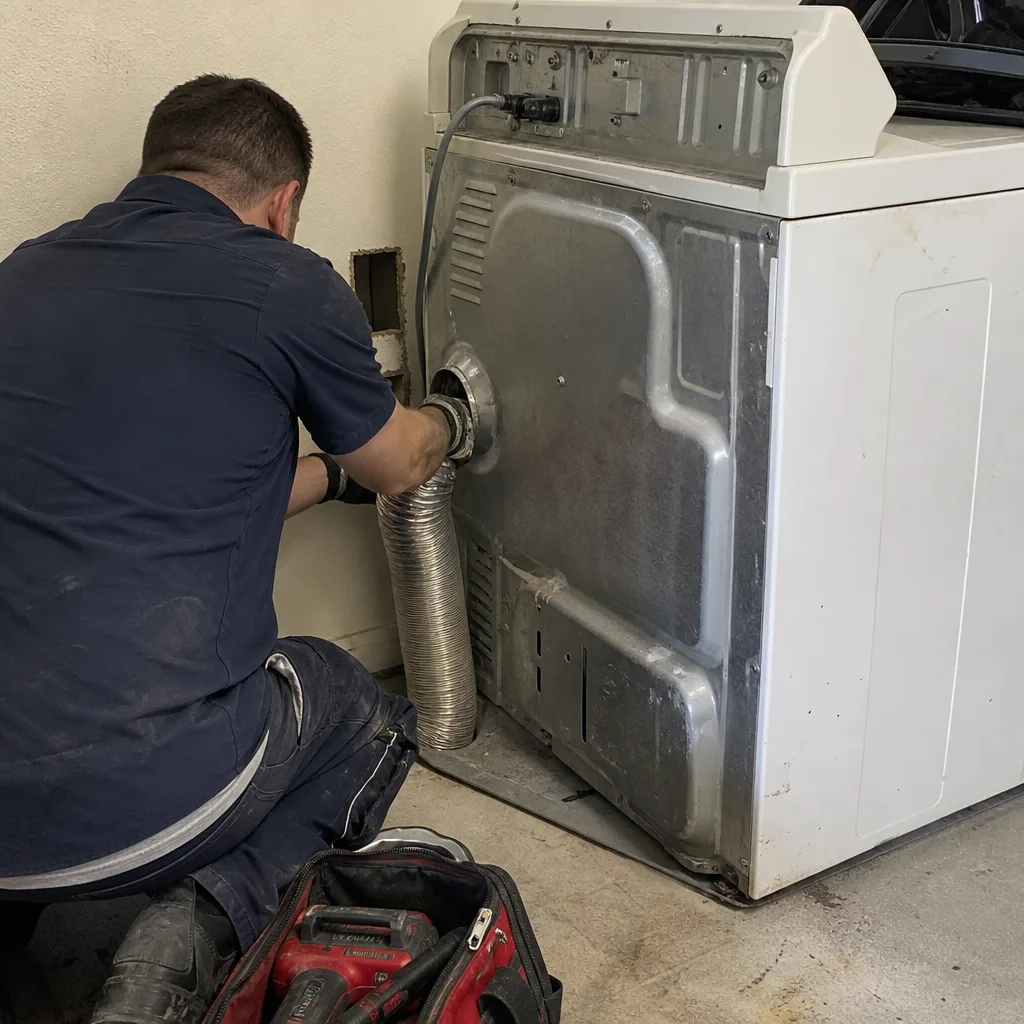
A documented professional cleaning for a typical Chandler home with one HVAC system and 8-12 registers runs $450-$650, with larger homes or systems with coil cleaning extending to $750-$1,100. CleanRun provides this as a written, whole-system price before work begins - no per-vent charges, no post-arrival add-ons. Call (520) 464-6297 for a specific estimate on your home.
Low quotes typically reflect reduced scope, not efficiency. A $79-$199 service generally includes register vacuuming and brief throat cleaning, leaving internal duct runs untouched. The business model depends on upselling once inside the home. Compare what equipment is specified, what documentation is provided, and whether the price is guaranteed in writing before work starts.
Require timestamped before-and-after photography from inside the duct runs, not just register exteriors. CleanRun’s Documented Photo Record, standard on every job since 2013, shows the interior of every run with debris present and removed. Without this documentation, you have only the technician’s word.
For typical Chandler homes with regular filter maintenance, every 3-5 years is reasonable. Homes with pets, recent construction, or occupants with allergies may benefit from more frequent service. The specific interval depends on accumulation rate, which varies with household factors and filter quality. A documented inspection with photo record allows evidence-based scheduling rather than calendar guessing.
Negative-pressure extraction units and rotary agitation tools are not available at consumer rental outlets. The equipment requires training to operate without damaging ductwork or HVAC components, and improper use can disconnect duct segments or puncture flex duct. The capital investment and liability exposure make DIY professional-grade cleaning impractical for homeowners.
Hard water affects evaporator coil scaling, which is addressed through HVAC cleaning rather than duct cleaning specifically. Monsoon humidity (July-September) can increase duct moisture and microbial growth risk, particularly in homes with duct leakage drawing attic air. Post-monsoon inspection is prudent for homes with known leakage or inadequate attic ventilation.
The Bottom Line
Homeowner maintenance of registers, filter housings, and visible duct throats has genuine value and should be performed regularly. It improves immediate air quality and reduces system load. It does not substitute for professional cleaning of internal duct runs, plenum chambers, and HVAC components, which requires negative-pressure extraction, rotary agitation, and documentation that consumer tools cannot provide. In Chandler’s silica and caliche dust environment, surface cleaning leaves adhered particulate that professional equipment removes. The economic comparison is not $80 versus $650 for the same outcome. It is $80 for surface maintenance versus $650 for documented, whole-system cleaning with guaranteed results. Choose based on what your situation actually requires, and demand written prices and photo documentation regardless of which path you take. For more guides & resources, explore our blog.
Written by Tomas Reyes, Owner at CleanRun Air Duct Cleaning Chandler, serving Chandler since 2013.