
Last updated September 23, 2026
Whole-system duct and dryer vent check with before-and-after photos - you see exactly what came out of your vents
That "$99 whole-house special" is a bait ad - the real number appears once they are in your hallway, or the "clean" is a shop-vac at the register. We photograph the inside of your ducts before and after instead.
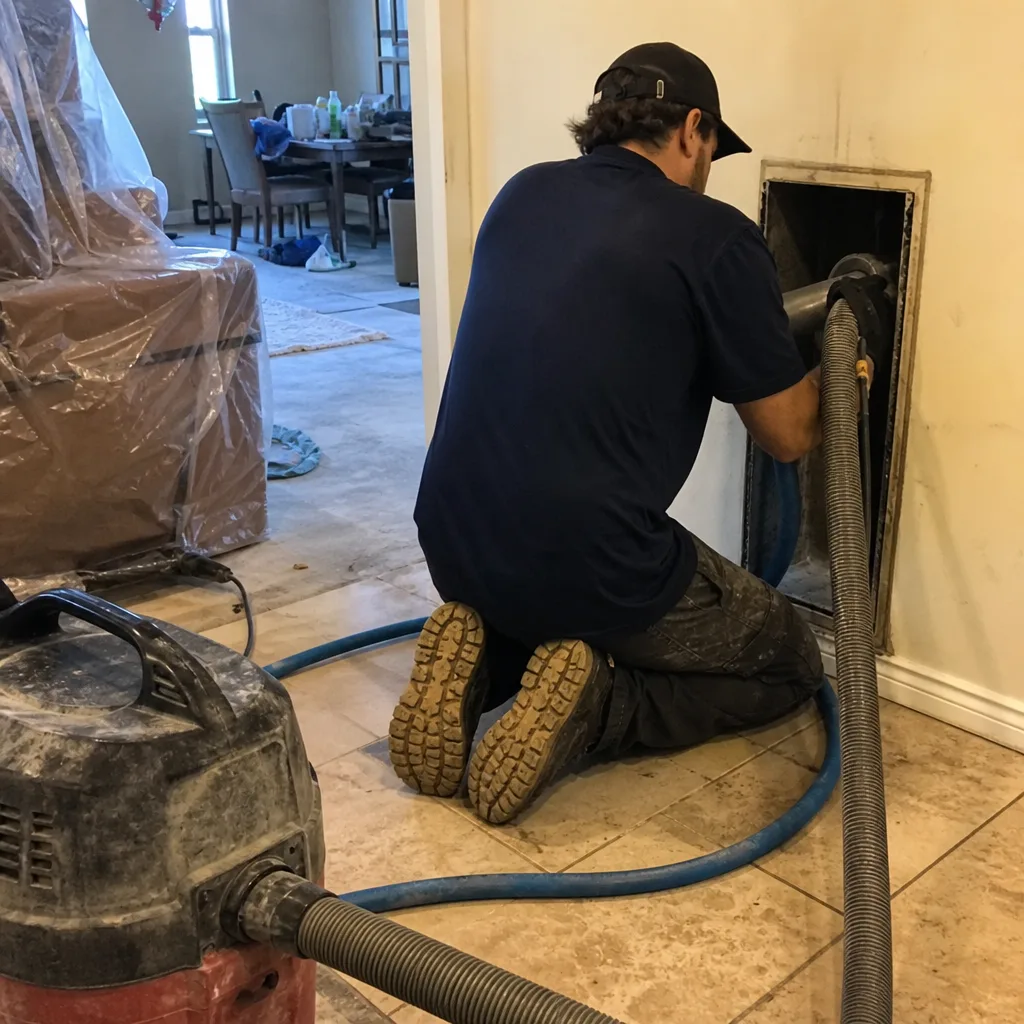 Before
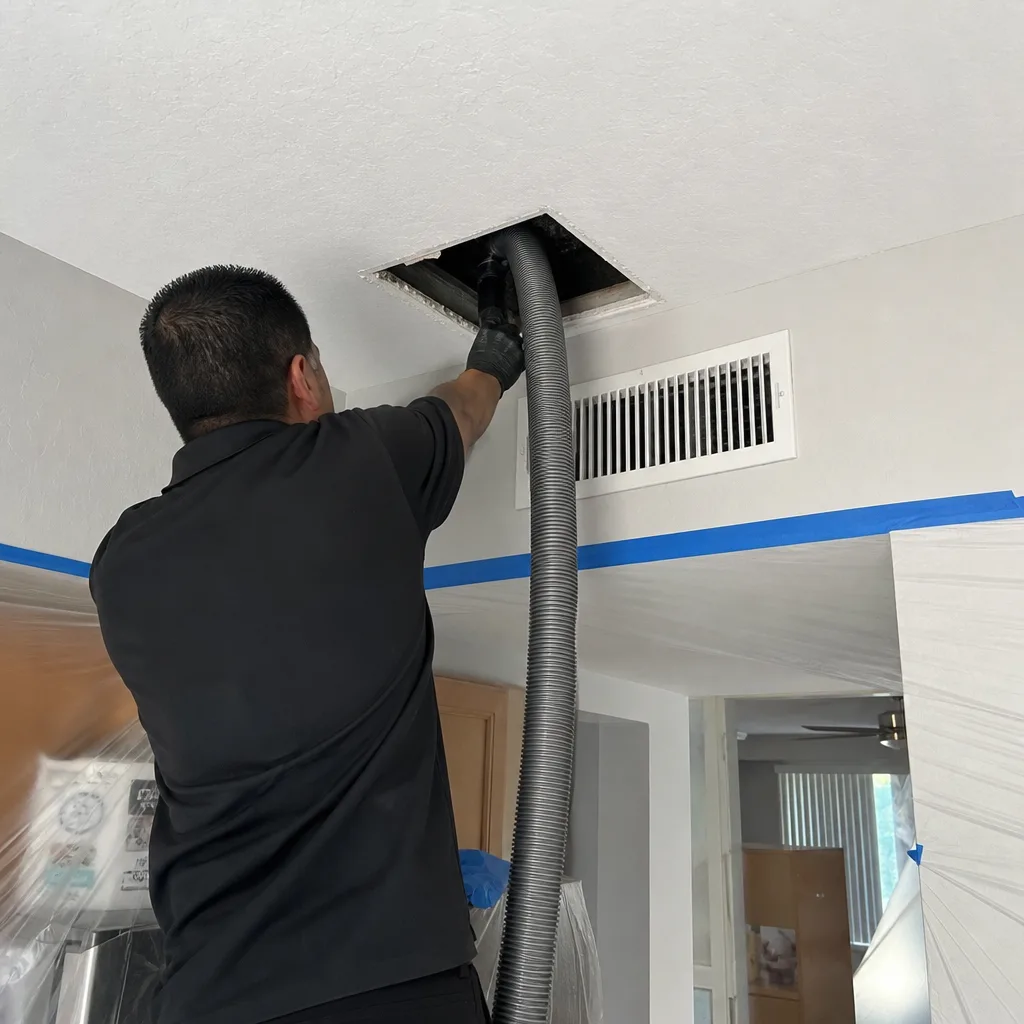 After
After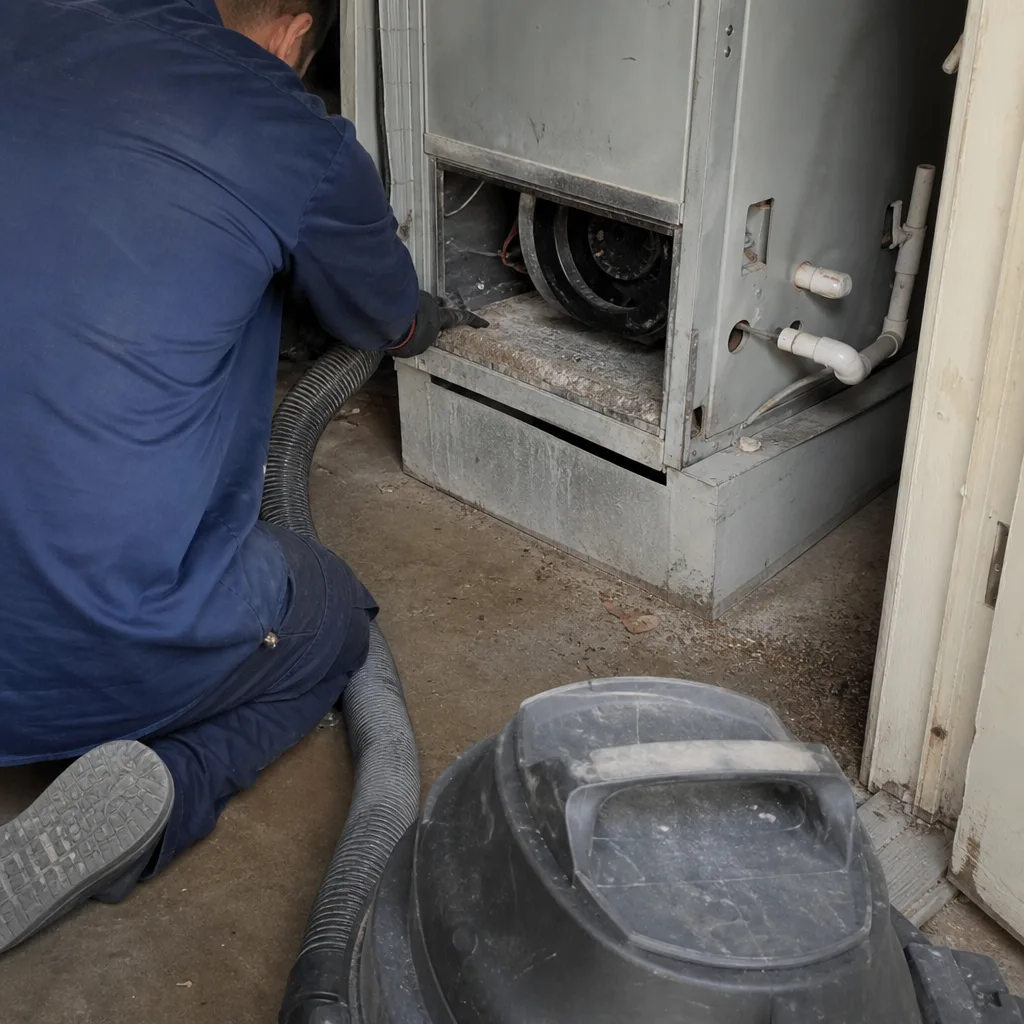 Before
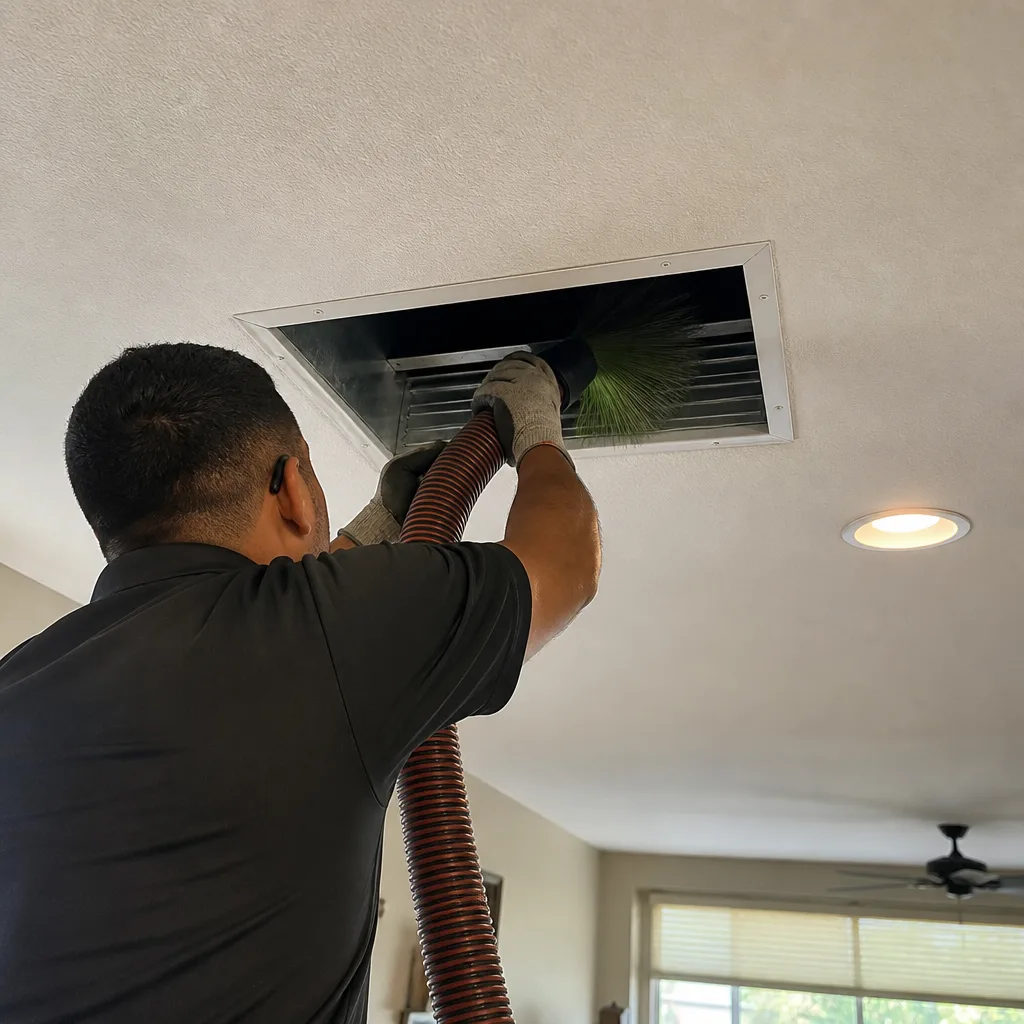 After
After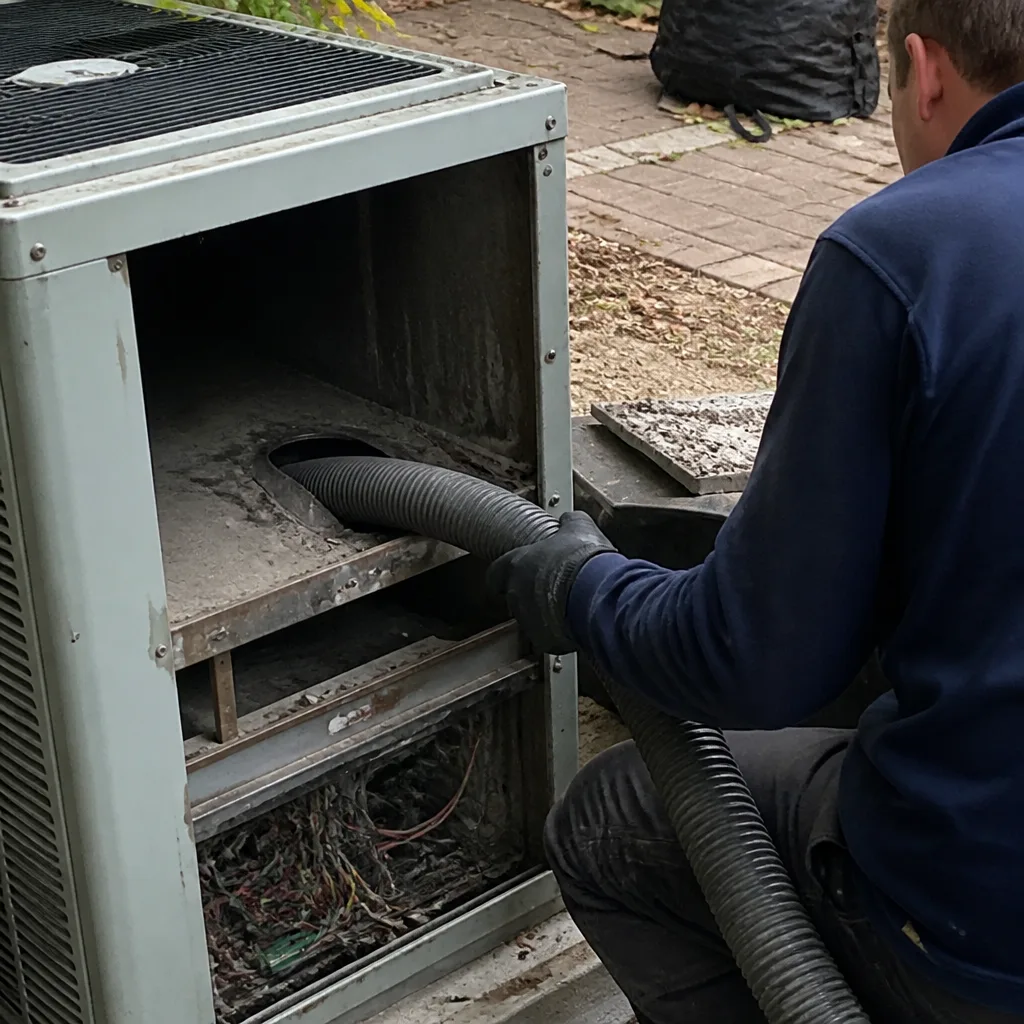 Before
 After
AfterSeasonal Air Duct Cleaning Care for Chandler: Year-Round Homeowner’s Guide
Chandler’s monsoon season deposits a particulate load into duct systems that behaves nothing like ordinary household dust. Between July and September, fine clay particles suspended in 40-60% humidity can cake onto duct walls in a way that dry winter debris never does. We’ve pulled photo records from Chandler homes that show a half-inch layer of packed clay sediment at the first elbow of a return duct, deposited in a single monsoon season after a filter bypass event. This guide maps duct care to Chandler’s actual climate pattern - not a four-season national template - because the timing of what enters your ducts determines when cleaning matters most.
Quick Answer
For Chandler homes, the highest-value duct cleaning window is October, immediately after monsoon season ends. Monthly filter checks from June through September are essential due to extended HVAC runtime, and a documented pre-summer inspection in April should verify coil condition and duct integrity before 10-hour daily cycles begin. Most Chandler homes benefit from professional Air Duct Cleaning every 2-4 years depending on duct material, home age, and occupancy, with post-monsoon assessments recommended annually.
Table of Contents
- Chandler’s Four Functional HVAC Seasons
- Pre-Summer Heat Load: What April Inspections Should Catch
- Monsoon Particulate: July-September’s Unique Threat
- Post-Monsoon Recovery: Why October Is the Critical Window
- Winter Startup: The Overlooked Season
- Realistic Cleaning Frequency for Chandler Homes
- Common Mistakes to Avoid
- When to Call a Professional
- Frequently Asked Questions
 Before
 After
AfterChandler’s Four Functional HVAC Seasons
National HVAC guides divide the year into spring, summer, fall, and winter. That model fails in Chandler. Our climate produces four functional seasons for duct systems: pre-summer heat load, monsoon particulate, post-monsoon recovery, and winter startup. Each deposits different material, stresses different components, and demands different homeowner action.
Pre-summer heat load (April-June): Temperatures climb from the 80s into triple digits. HVAC systems transition from occasional cooling to near-continuous operation. This is when undetected winter damage - cracked duct seams, loose register seals, degraded flex duct - reveals itself under sustained airflow. The Sonoran Desert’s dry spring also generates fine mineral dust that pre-loads filters before the hardest work begins.
Monsoon particulate (July-September): The North American Monsoon pulls moisture from the Gulf of California and the Gulf of Mexico, creating brief intense storms with haboob conditions. Wind ahead of storms lifts caliche clay and agricultural dust from Chandler’s surrounding farmland and construction zones. That particulate is finer than typical desert dust, and when humidity spikes, it adheres to duct walls instead of passing through.
Post-monsoon recovery (October-November): Humidity drops, temperatures moderate, and HVAC runtime decreases. This is the inspection and cleaning window. Debris deposited during monsoon season has had months to accumulate; systems are coming off peak load; and technicians can document conditions before winter heating cycles begin.
Winter startup (December-March): Chandler’s heating season is short but sharp. Night temperatures drop into the 40s; heating cycles stir up sediment that settled during low-activity months. Gas furnace heat exchangers and electric heat strips introduce thermal stress that can loosen prior deposits.
Understanding this pattern matters because the wrong timing wastes money. A March cleaning removes debris that will be replaced in four months. A June cleaning happens when technicians are busiest and systems are under maximum load. October delivers the best information about what actually entered your ducts.
Pre-Summer Heat Load: What April Inspections Should Catch
April in Chandler is the month to document system condition before it matters. Our crews start seeing pre-summer inspection requests from Ocotillo and Fulton Ranch homeowners who’ve learned that finding a problem in April costs less than discovering it in July.
A proper pre-summer inspection documents three things: coil condition, drain pan status, and duct integrity. Each affects how debris moves through your system during the coming months of continuous operation.
- Coil condition: The evaporator coil sits in the plenum - the central distribution box where conditioned air enters the duct network. A coil with bent fins or biological growth restricts airflow, increases static pressure, and can force air around rather than through the filter. We photograph coil condition as part of our standard pre-season documentation using equipment from Abatement Technologies.
- Drain pan status: The condensate pan beneath the coil carries away humidity extracted from indoor air. A cracked or improperly sloped pan leaks water into the return plenum, creating the moist environment where monsoon particulate will adhere most aggressively. In Chandler’s dry climate, homeowners often ignore drain issues until monsoon humidity makes them catastrophic.
- Duct integrity: Flex duct in attic spaces degrades from thermal cycling - Chandler attics reach 140°F in summer. Seams separate, insulation slips, and connections to the plenum loosen. A duct leak in a 130°F attic doesn’t just waste cooled air; it pressurizes the attic and pulls insulation particles and rodent debris into the system. We verify duct integrity with visual inspection and, where accessible, digital photography of each connection point.
Filter strategy changes in April too. The standard “change every three months” advice fails in Chandler from June through September. Extended runtime means filters load faster; a clogged filter increases pressure drop and can collapse, creating a bypass gap where unfiltered air enters the return. We advise Chandler homeowners to inspect filters monthly during summer months, not quarterly. Mark the calendar: first Saturday of June, July, August, and September.
The April inspection also establishes baseline documentation. When we return in October with photo records from the same camera positions, both we and the homeowner can measure what monsoon season actually deposited. Without April baseline, October findings lack context.
Monsoon Particulate: July-September’s Unique Threat
Chandler’s monsoon season creates a particulate profile found in few other U.S. markets. Understanding it explains why duct cleaning here differs from Phoenix’s western suburbs or Tucson’s higher elevation.
Monsoon storms approach as outflow boundaries - walls of wind preceding rain. These winds lift surface material from Chandler’s distinctive soil: caliche, a calcium carbonate-cemented layer common in the Sonoran Desert, plus agricultural dust from fields east of the city and construction particulate from ongoing development in southeast Chandler and the Price Corridor. The resulting mixture is finer than typical desert dust (often below 10 microns) and chemically different - higher in calcium content, more adhesive when moist.
When humidity spikes from 15% to 60% in advance of a storm, this particulate changes behavior. Dry, it passes through standard filters or settles in duct low points. Moist, it adheres to metal duct walls, particularly at elbows and transitions where airflow changes direction. Over a single monsoon season, we’ve documented buildup at these points that resembles thin plaster rather than loose dust.
The health implications are specific. Calcium-rich dust is abrasive to respiratory tissue. Combined with elevated indoor humidity from air conditioning working against infiltration, it creates conditions where dust mites and mold can establish despite Chandler’s general aridity. The HVAC Cleaning in Chandler process we perform addresses this with negative-pressure extraction - suction applied throughout the duct network to prevent debris redistribution - followed by mechanical agitation using Rotobrush equipment designed for adhered deposits.
Homeowner action during monsoon season is limited but specific:
- Check filters after major dust events, not on schedule
- Verify outdoor condenser clearance - haboob debris restricts airflow and raises system pressure
- Monitor indoor humidity; sustained readings above 55% indicate system imbalance
- Document any musty odors that appear during humid periods - they rarely resolve without intervention
We do not recommend duct cleaning during monsoon season itself. Systems are under maximum load; humidity complicates proper negative-pressure extraction; and new deposits will continue through September. The work belongs in October, when conditions stabilize and the full seasonal load is present for documentation.
Post-Monsoon Recovery: Why October Is the Critical Window
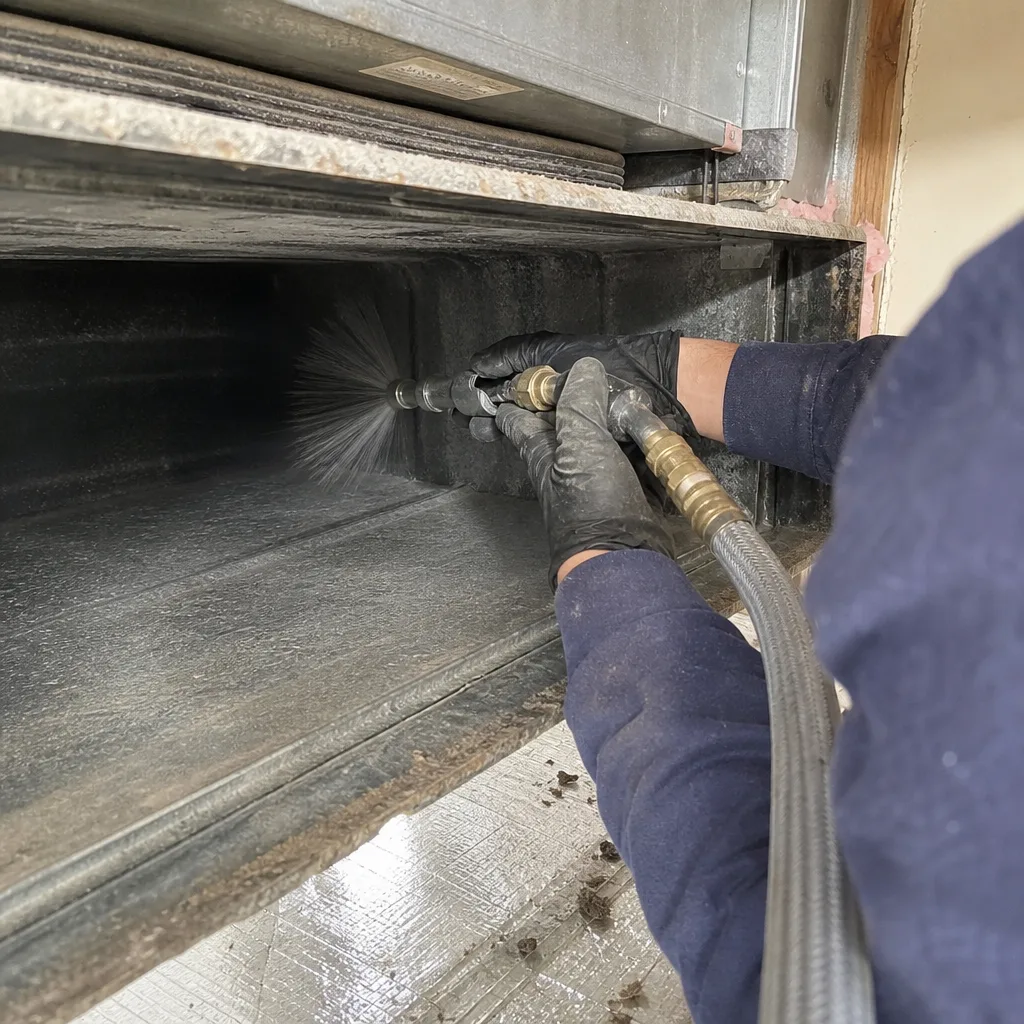
October is the highest-value timing for duct assessment and cleaning in Chandler. This isn’t preference; it’s arithmetic. By October, the full monsoon deposit is present, humidity has dropped to levels that permit proper extraction, and HVAC runtime has decreased enough that system downtime doesn’t stress indoor comfort.
Our photo records from October jobs in Chandler neighborhoods - from historic homes near Arizona Avenue to newer construction in Andersen Springs - consistently show the same pattern: maximum debris accumulation at the first and second elbows of return ducts, with supply lines showing less loading but more register staining from pressure differentials. This pattern is diagnostic. It tells us where the system is pulling unfiltered air, which registers have seal failures, and whether the filter cabinet is performing as designed.
An October service should include:
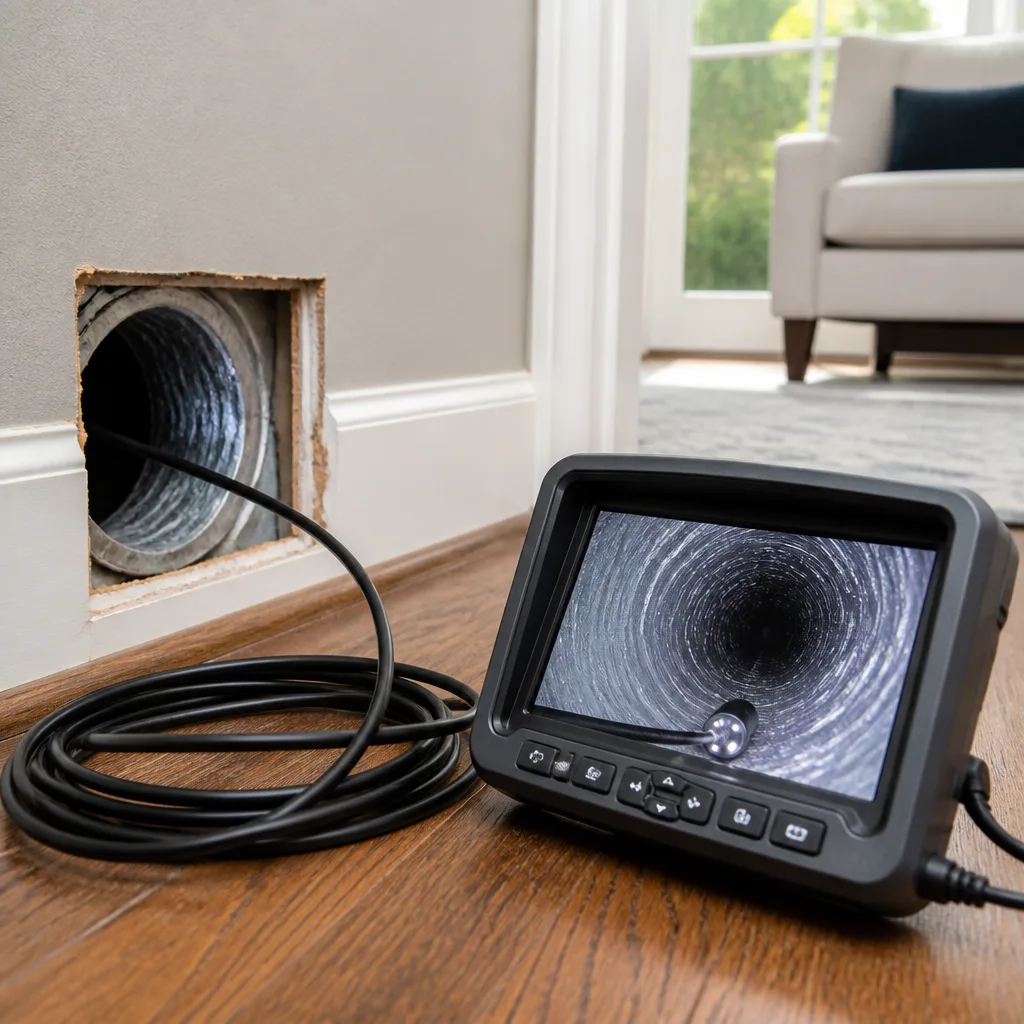
- Complete photo documentation of every duct run - the standard CleanRun deliverable, included on every visit since 2013. Homeowners receive before-and-after images of each accessible section, with debris type identified where discernible.
- Written scope and price before work begins - Haven Standard Clause 1. No exceptions. The technician documents what was found, specifies what will be done, and delivers a written price. The customer approves or declines before equipment enters the home.
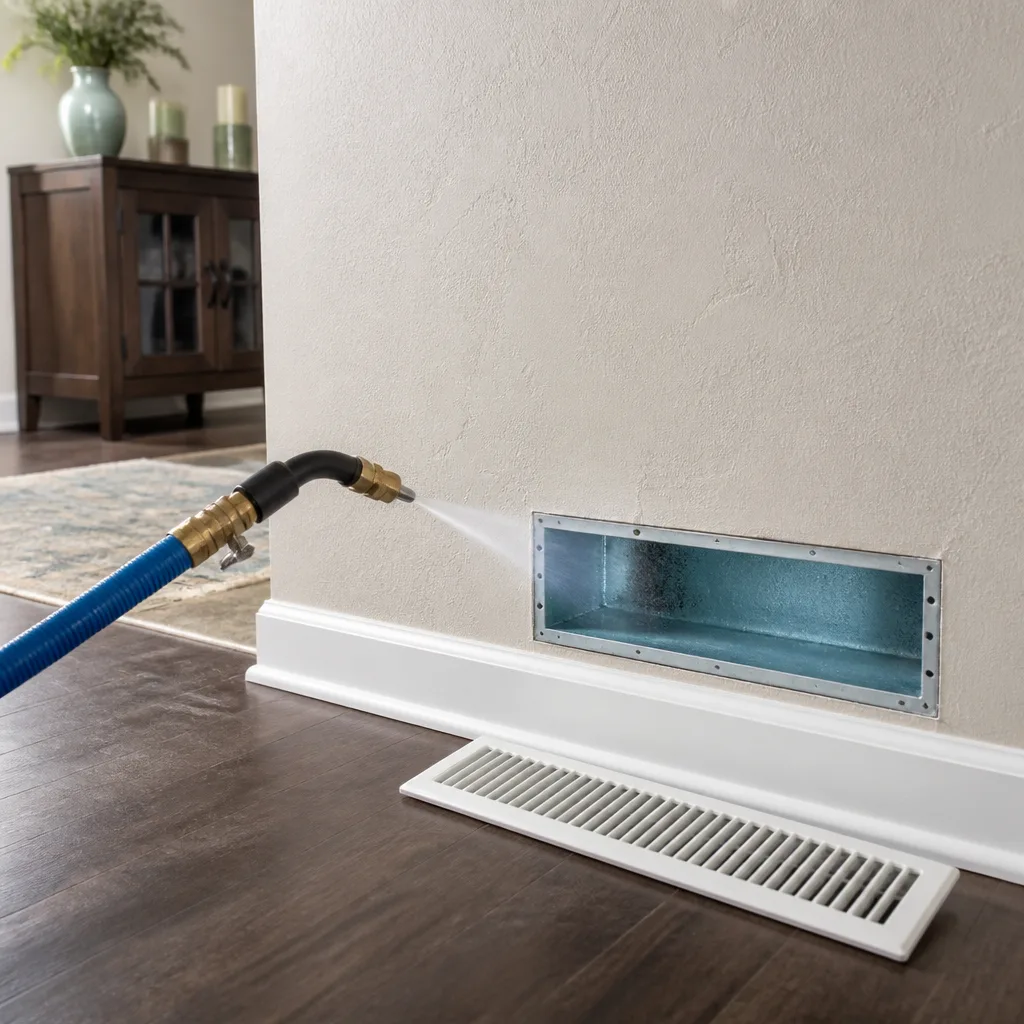
- Mechanical agitation with professional-grade equipment - for monsoon-adhered deposits, we deploy Rotobrush systems with nylon-bristle whips that dislodge material without damaging duct walls. For metal duct with significant buildup, Nikro equipment provides targeted agitation at higher velocity.
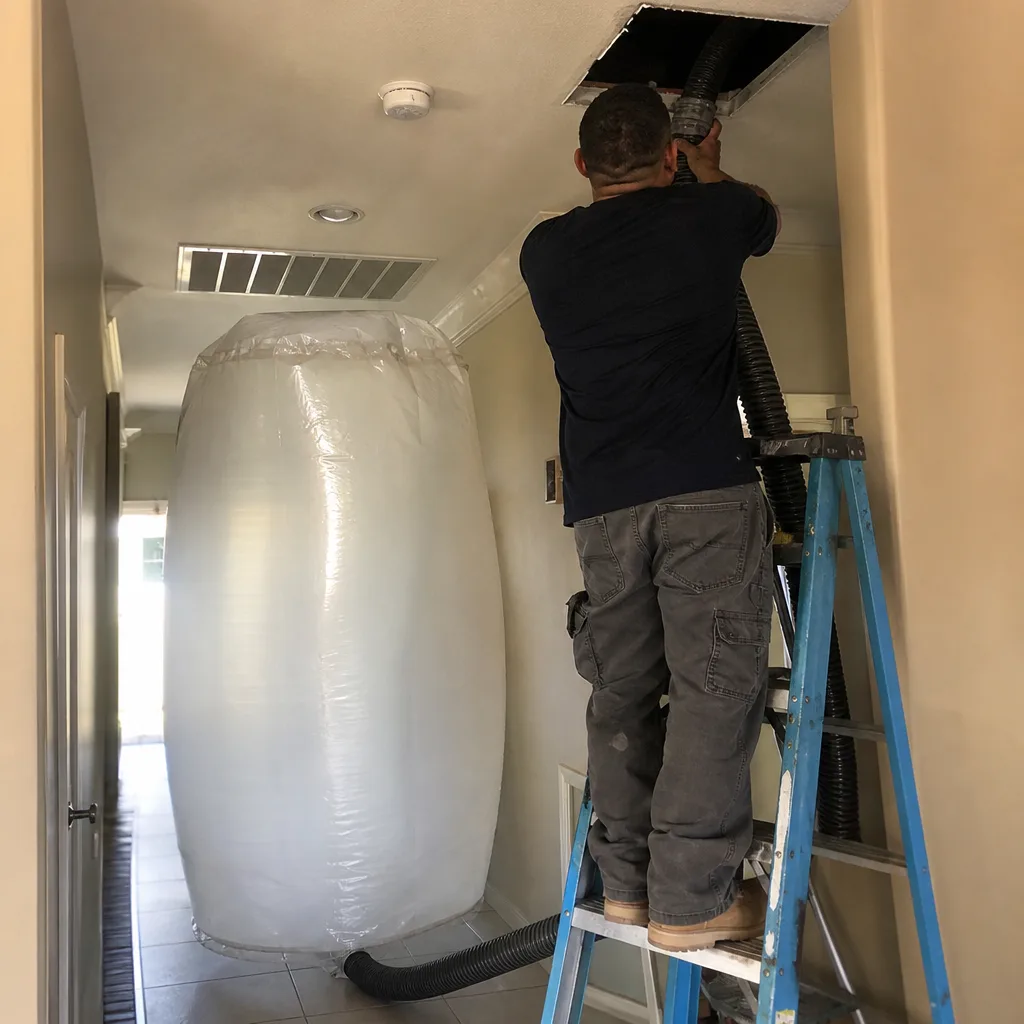
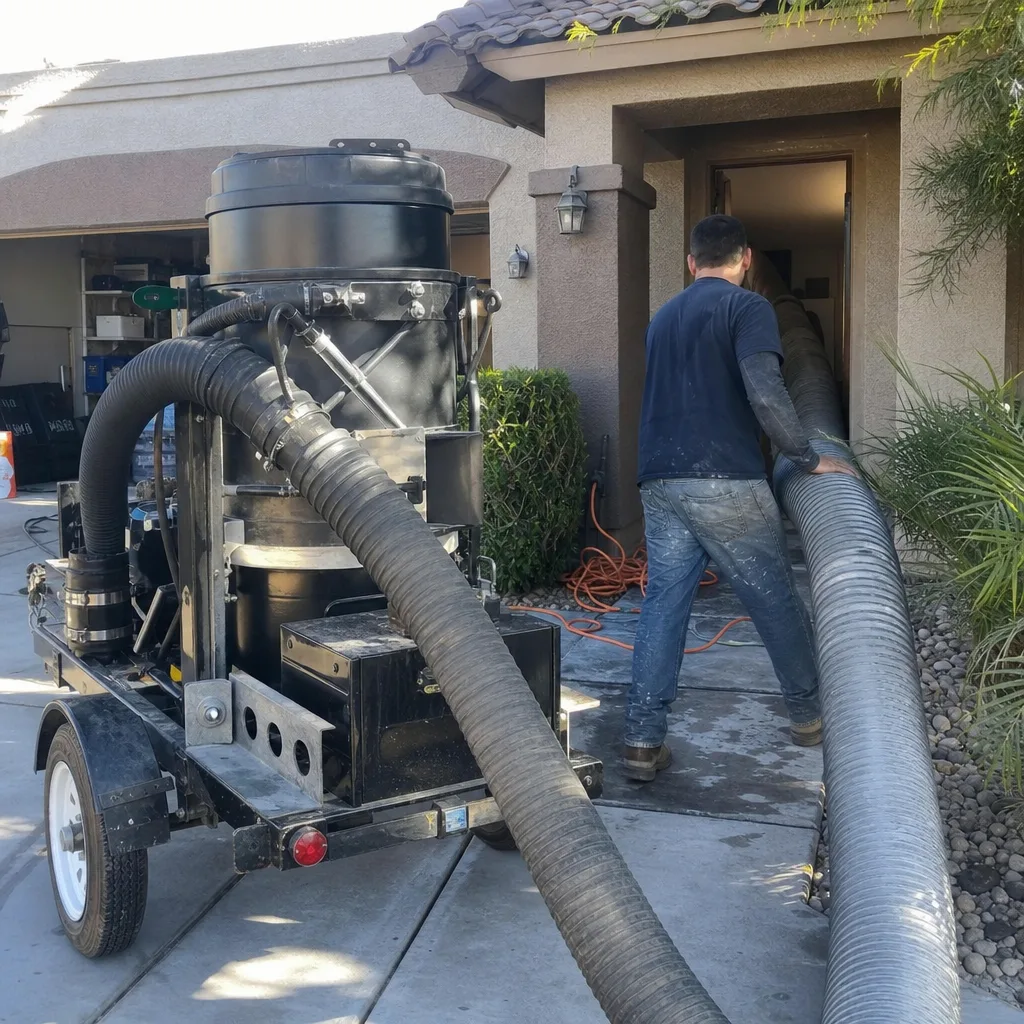
- Negative-pressure extraction throughout - a vacuum source at the plenum maintains airflow toward the collection point, preventing debris from escaping into occupied space during cleaning. This is standard practice, not an upgrade.
- Post-service photo record and written condition report - delivered as part of the job record, with any recommendations for repair or monitoring noted for the next seasonal cycle.
The October window also permits proper drying of any moisture issues discovered. If a drain pan crack or duct leak has allowed monsoon humidity to create biological growth, October’s dry conditions support effective treatment without the recontamination risk of July or August application.
For Chandler homeowners who’ve never had documented duct photography, October is the month to establish baseline. The photo record becomes a reference point for comparing future seasons and for verifying that cleaning actually occurred - a concern we address directly in our FAQ.
Winter Startup: The Overlooked Season
Chandler’s heating season is brief enough that many homeowners ignore it. This is a mistake. Winter startup introduces thermal and mechanical stresses that reveal problems invisible during cooling-dominant months.
Gas furnaces cycle on at 120°F+ supply air temperature. Electric heat strips glow at comparable temperatures. These thermal shocks expand and contract duct metal at rates different from the surrounding structure. Seams that held through summer may open in winter. Flex duct insulation that compressed in July’s attic heat may gap in December’s cold.
The critical winter action is a startup inspection: first heating cycle of the season, with attention to odor, sound, and register airflow pattern. A burning dust smell on first cycle is normal - accumulated surface dust heating off. A persistent metallic or musty odor is not. Rattling from ductwork suggests loose connections that cooling airflow didn’t stress enough to reveal. Uneven heating between rooms indicates damper or duct issues that cooling’s higher airflow masked.
We recommend Chandler homeowners schedule this inspection themselves in November, before consistent heating need. Check each register for warm airflow within two minutes of furnace ignition. Note any room that lags. Listen for duct noise from the attic access or garage. Document findings with photos for comparison if professional assessment becomes needed.
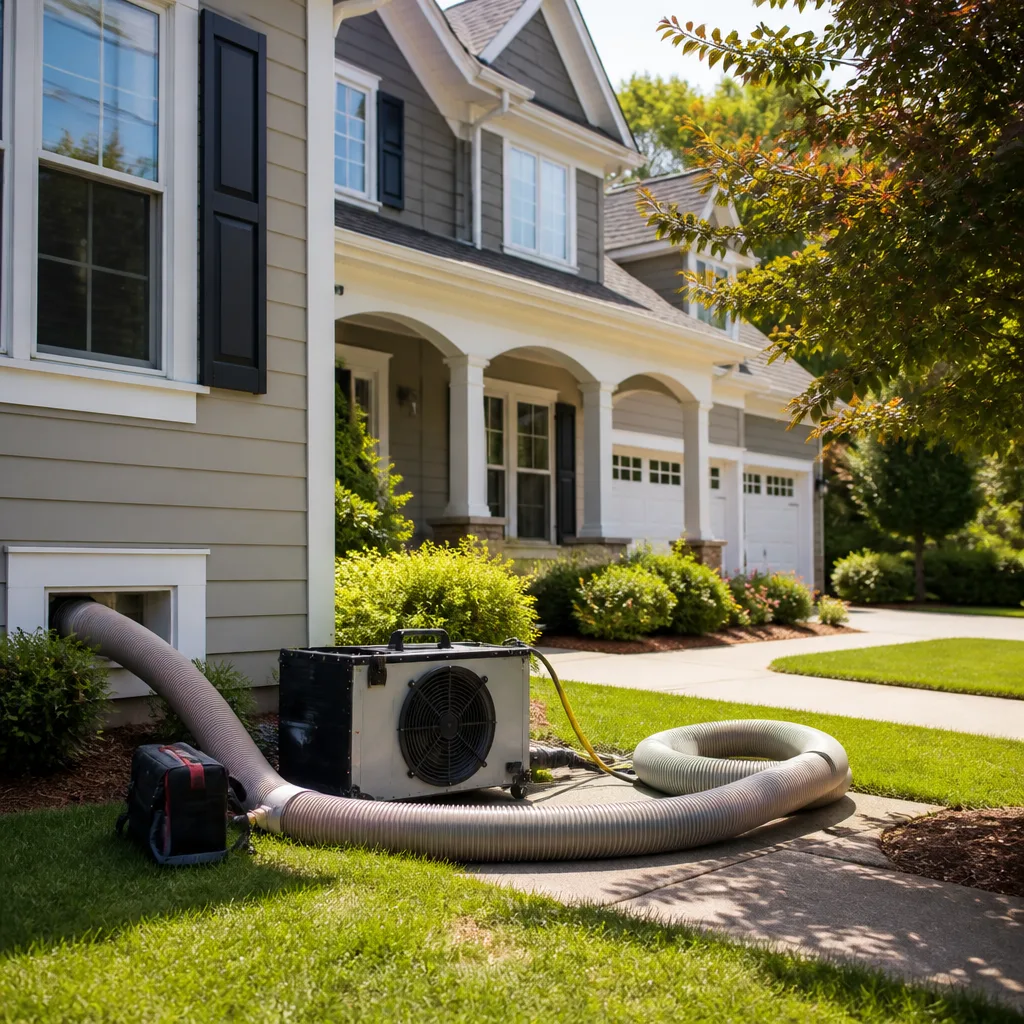
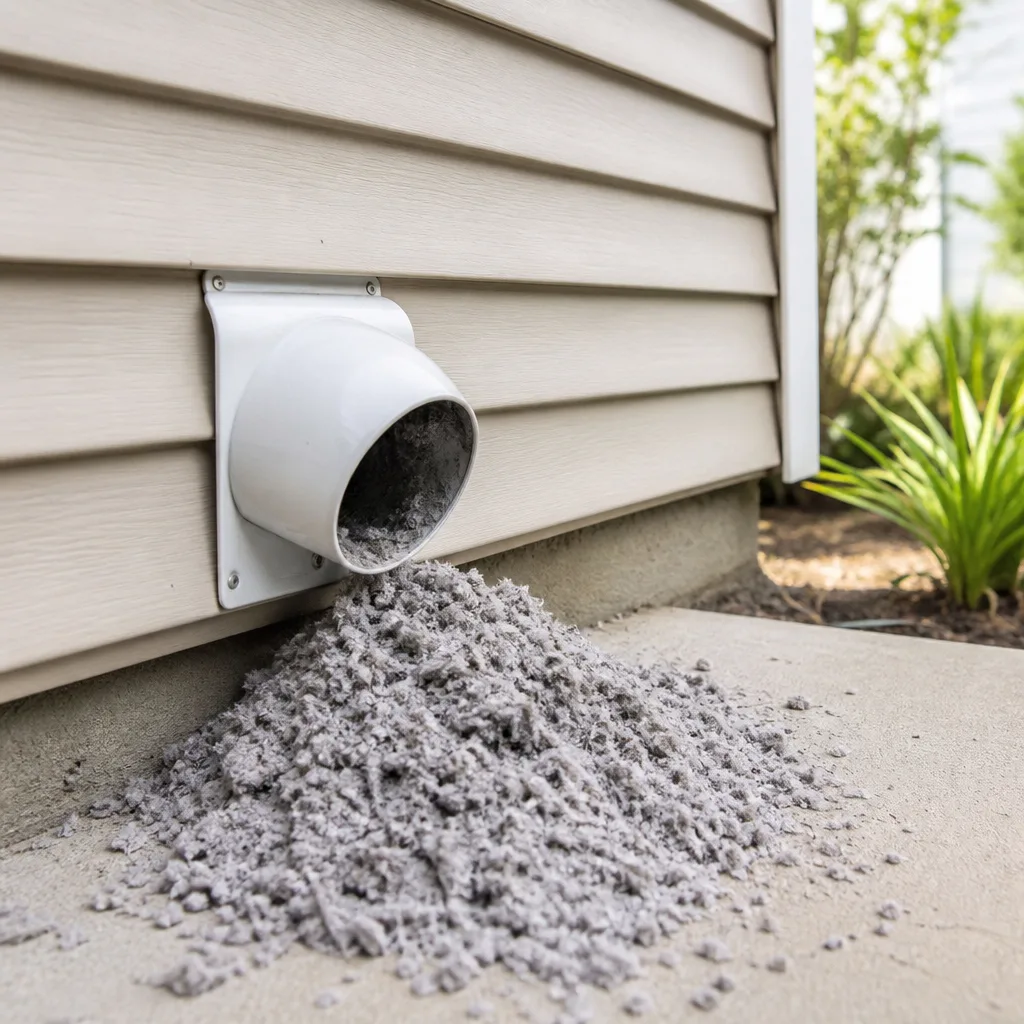
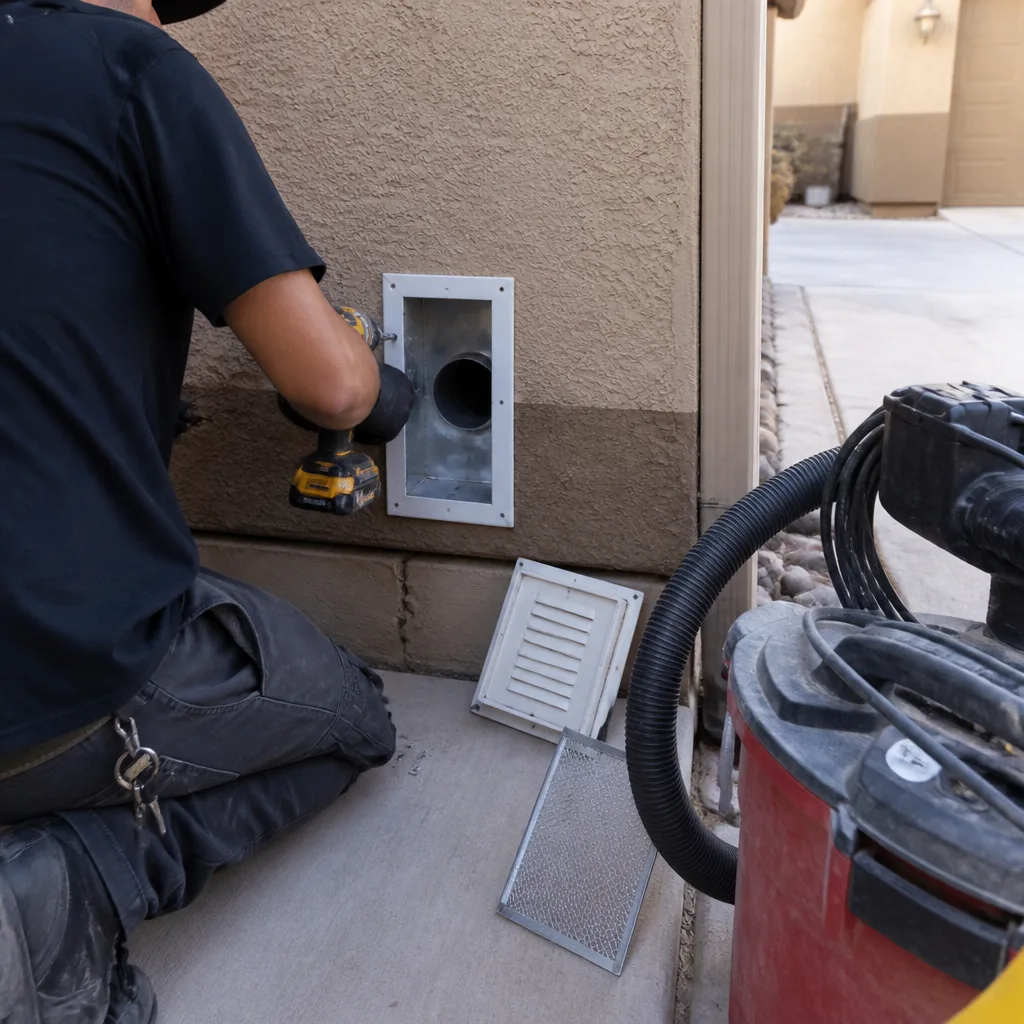
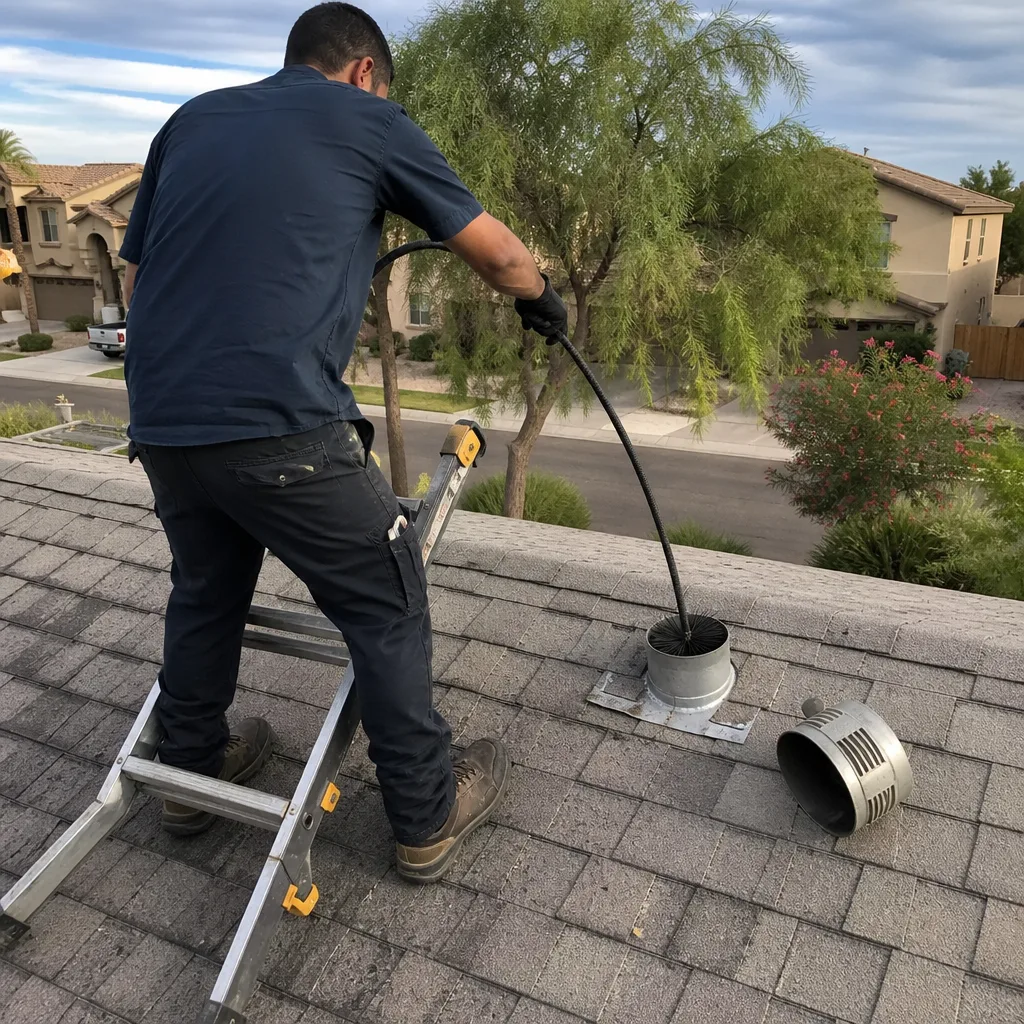
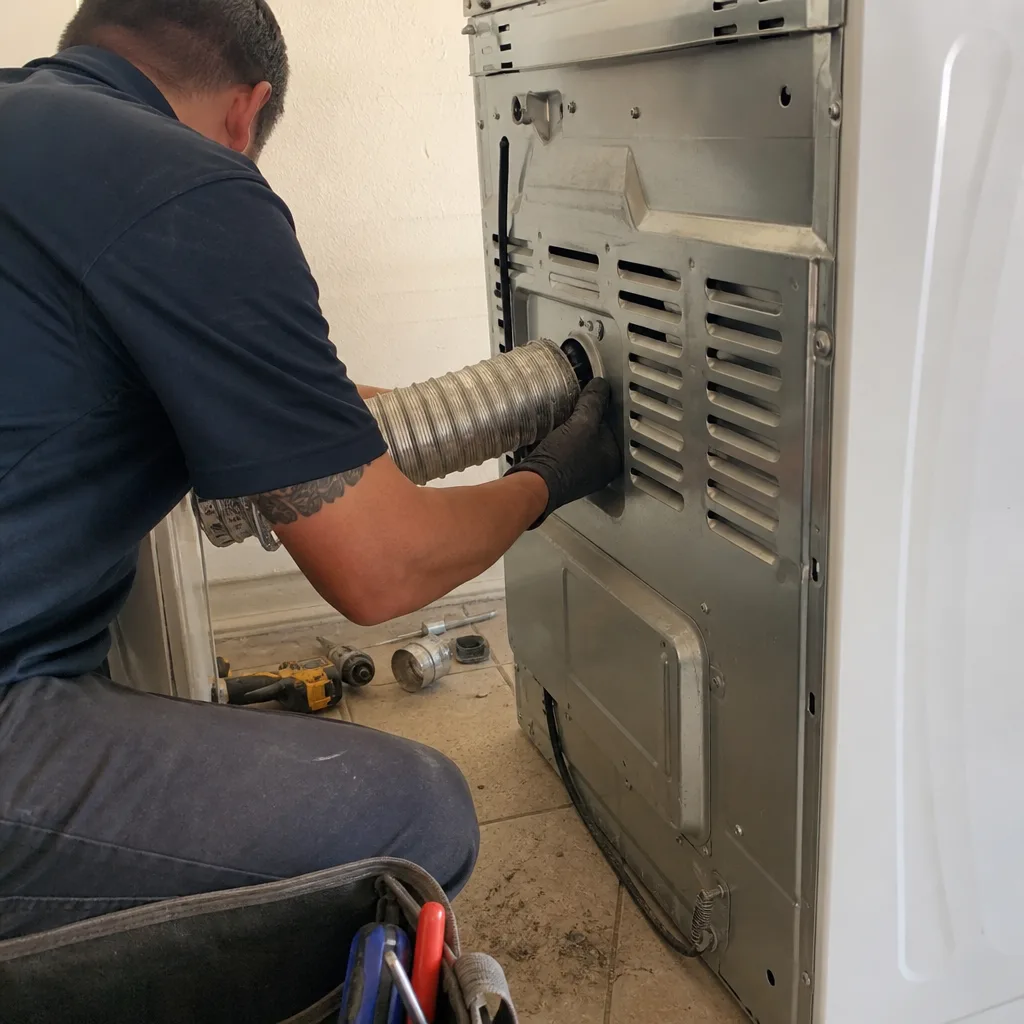
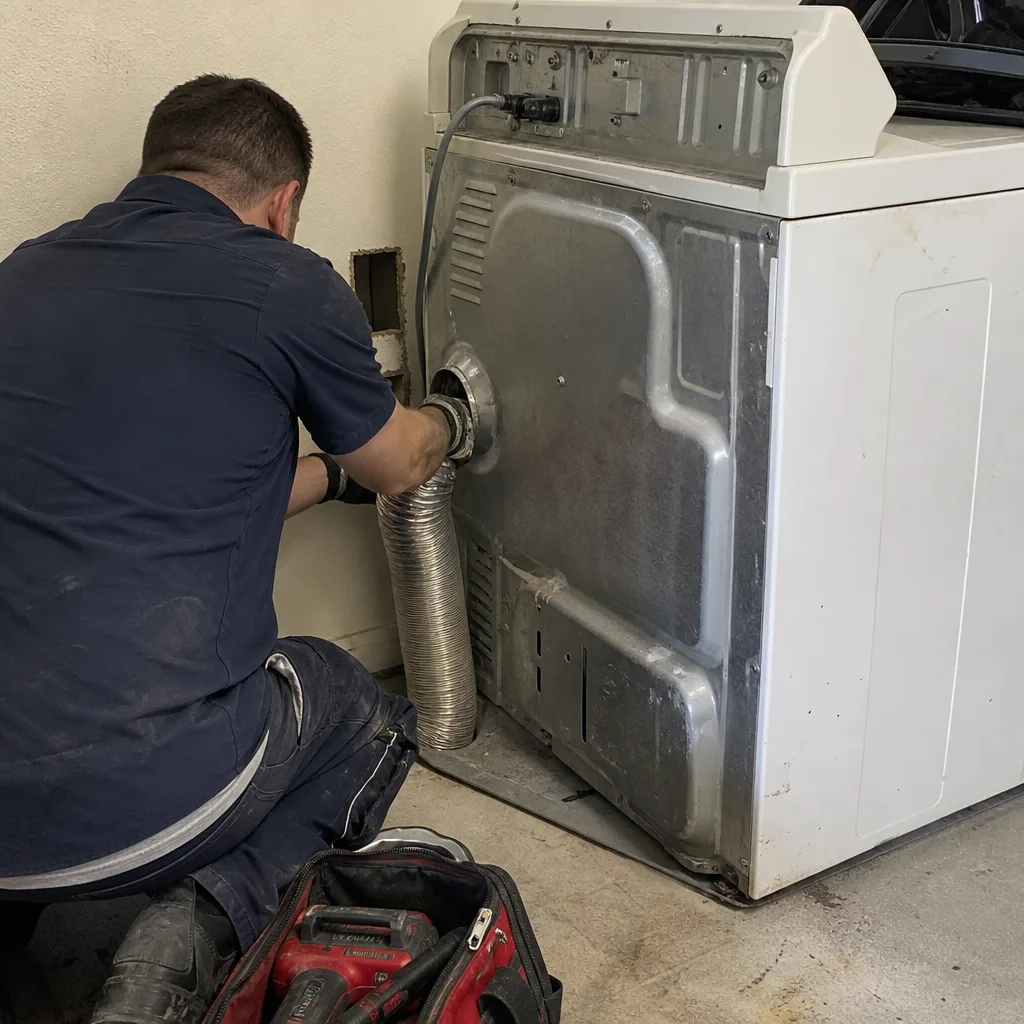
Winter is also when dryer vent demand peaks. The Dryer Vent Cleaning in Chandler service addresses lint accumulation that increases fire risk during heavy seasonal use. We perform this with Guardsman equipment, photographing vent interior condition as part of the documented record. For homes with long vent runs through attic space - common in Chandler’s 1990s-2000s construction - annual inspection is prudent regardless of apparent dryer performance.
Filter strategy shifts in winter too. With reduced HVAC runtime, filters load more slowly. But heating cycles stir up sediment that settled in low-velocity summer months. We recommend one filter change in November, before heating season, and assessment in February for any needed replacement before spring’s dust load begins.
Realistic Cleaning Frequency for Chandler Homes
The “every 3-5 years” advice found on national sites fails in Chandler. Our climate, construction practices, and occupancy patterns produce a more nuanced picture. Here’s what our documented records from 52,000+ homes show, applied specifically to this market.
By home age:
- Pre-1990 homes: Original metal duct, often unlined, with decades of accumulation. These systems typically need assessment every 2 years, with cleaning indicated when photo documentation shows measurable buildup. Many have had partial retrofits - flex duct additions, register relocations - that create debris traps at transition points.
- 1990-2010 homes: Mixed duct materials common; flex duct in attics with metal trunk lines. The flex duct era introduced new failure modes: insulation degradation, rodent access, compression from storage. Every 2-3 years for cleaning, with annual inspection recommended for homes near active construction or agricultural zones.
- 2010-2025 homes: Better sealed construction, but smaller duct sizing for efficiency creates higher velocity and faster filter loading. Every 3-4 years typically sufficient, unless monsoon seasons are particularly active or occupancy is high.
By duct material:
- Sheet metal, unlined: Durable but transmits noise; debris adheres directly to metal. Cleaning intervals of 2-3 years in Chandler conditions.
- Sheet metal, lined: Fiberglass liner can trap debris and degrade; cleaning must avoid liner damage. Every 2-3 years, with careful method selection.
- Fiberglass duct board: Porous surface traps debris permanently; aggressive cleaning can damage structure. Assessment every 2 years; replacement often more appropriate than repeated cleaning.
- Flex duct: Most vulnerable to damage; replacement common after 15-20 years in Chandler attics. Clean only if integrity verified; otherwise, replace.
By occupancy:
- 1-2 residents, no pets: Longer intervals, 3-4 years typical
- 3-4 residents, with pets: Pet dander and increased activity raise loading; 2-3 years
- 5+ residents, multiple pets, or respiratory sensitivity: Annual inspection, cleaning every 1-2 years based on documentation
- Home office / workshop use: Occupant-generated particulate from hobbies or equipment can override other factors
These ranges assume standard 1-inch pleated filters changed on appropriate intervals. Homes with upgraded filtration (4-5 inch media filters, electronic air cleaners) may extend intervals. Homes with chronic filter bypass due to poor cabinet fit or homeowner neglect will need more frequent attention regardless of other factors.
The definitive answer comes from documented inspection, not calendar. Our Air Duct Cleaning in Chandler service includes photo documentation that lets homeowners see whether their specific system needs attention or can wait.
Common Mistakes to Avoid
- Waiting for visible register dust. By the time dust exits supply registers, the system is severely loaded. The correct indicator is inspection at the plenum and first elbows, where debris accumulates first.
- Cleaning in June or July. Peak system load, peak technician demand, and ongoing monsoon deposition make this the worst timing. October delivers better information and better conditions for the work.
- Accepting per-vent pricing. This model incentivizes superficial work and surprise add-ons. CleanRun’s written price covers the complete system, agreed before work starts under Haven Standard Clause 1.
- Ignoring the dryer vent. Chandler’s winter heating of lint-heavy vents creates genuine fire risk. The Dryer Vent Cleaning in Chandler service should be part of seasonal planning, not an afterthought.
- Using the cheapest filter that fits. In Chandler’s extended summer runtime, filter quality directly affects duct loading. A $4 fiberglass panel changed monthly costs more in energy and duct degradation than a $15 pleated filter changed quarterly.
- Skipping post-service documentation. Without photo records, you cannot verify work quality or compare conditions season to season. Demand before-and-after photography as a standard deliverable, not an upgrade.
- Treating all duct materials the same. Flex duct in a 2015 Chandler attic needs different handling than 1985 sheet metal. Method selection should match material, not convenience.
When to Call a Professional
Certain conditions warrant immediate professional assessment regardless of scheduled maintenance. Persistent musty odor during humid periods suggests biological growth requiring documented identification. Visible mold at registers or in the plenum demands containment protocol, not standard cleaning. Uneven airflow between rooms that develops suddenly indicates duct separation or blockage. Unexplained increase in energy bills during stable weather suggests system inefficiency from duct leakage or coil loading.
For any of these, or for a documented seasonal assessment, CleanRun Air Duct Cleaning Chandler home offers free estimates with written pricing delivered before work begins. Our technicians are background-checked and uniformed under Haven Standard Clause 3: Verified Crews, and every job includes the Documented Photo Record and 365-Day Done Right Promise. Call (520) 464-6297 to schedule.
Frequently Asked Questions
Whole-system air duct cleaning for a typical Chandler home ranges from $400 to $800 depending on system size, duct material, and accessibility - see our Air Duct Cleaning Cost Breakdown: The Chandler Homeowner’s Reference for 2026 for detailed pricing factors. CleanRun delivers a written price before any work starts under Haven Standard Clause 1 - no per-vent add-ons, no post-arrival surprises. Call (520) 464-6297 for an exact quote; estimates are free.
The $79-$149 offers are structured to generate upsells once the technician is in your home. The initial price covers minimal work; additional charges for “extra vents,” “deeper cleaning,” or “sanitizing” appear after inspection. CleanRun’s written price covers the complete system, documented in scope before work begins. The photo record proves what was done.
Demand a documented photo record of every duct run, before and after, delivered as part of the standard job record, as outlined in our Air Duct Cleaning Maintenance Checklist for Chandler Homeowners. CleanRun has provided this on every job since 2013. If a company cannot or will not show you the inside of your ducts, you are buying a service visit, not verified work.
Most Chandler homes need professional cleaning every 2-4 years, with annual inspection recommended. Homes with original metal duct from before 1990, multiple pets, or high occupancy trend toward 2 years. Newer homes with good filter maintenance may extend to 4. The definitive answer comes from documented inspection, not calendar.
In Chandler, yes. Monsoon season deposits a unique particulate load - fine clay in humid conditions that adheres to duct walls. Spring cleaning removes ordinary dust that will be replaced by summer’s load. October cleaning addresses the season’s actual accumulation when conditions permit proper extraction.
Coil condition, drain pan status, and duct integrity verification. The technician should document each with photographs, identify any seal failures or debris accumulation, and provide written recommendations before peak season begins. Filter strategy for June through September should be part of this consultation.
The Bottom Line
Chandler’s climate demands a Chandler-specific approach to duct maintenance. The two-peak, two-transition pattern - pre-summer heat load, monsoon particulate, post-monsoon recovery, winter startup - produces different stresses than national four-season guidance assumes. October inspection and cleaning captures the full monsoon deposit under optimal conditions. Monthly filter checks from June through September prevent bypass events that amplify seasonal loading. Pre-summer documentation in April establishes baseline for comparison. And every service should deliver written pricing before work starts, photo documentation of every duct run, and accountability through a written guarantee. These aren’t preferences; they’re the minimum standard for informed maintenance in this market. For more guides & resources on Chandler-specific HVAC care, visit our blog.
Written by Tomas Reyes, Owner at CleanRun Air Duct Cleaning Chandler, serving Chandler since 2013.