
Last updated September 23, 2026
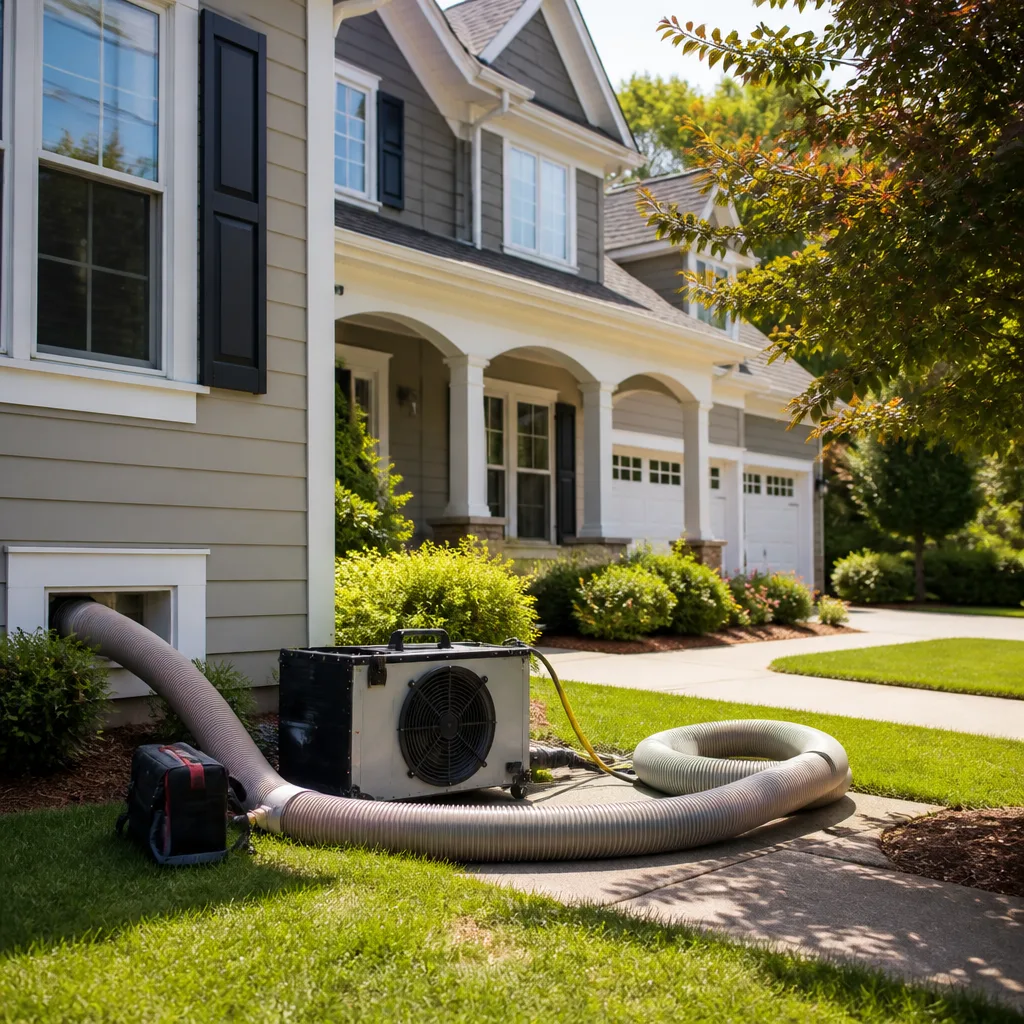
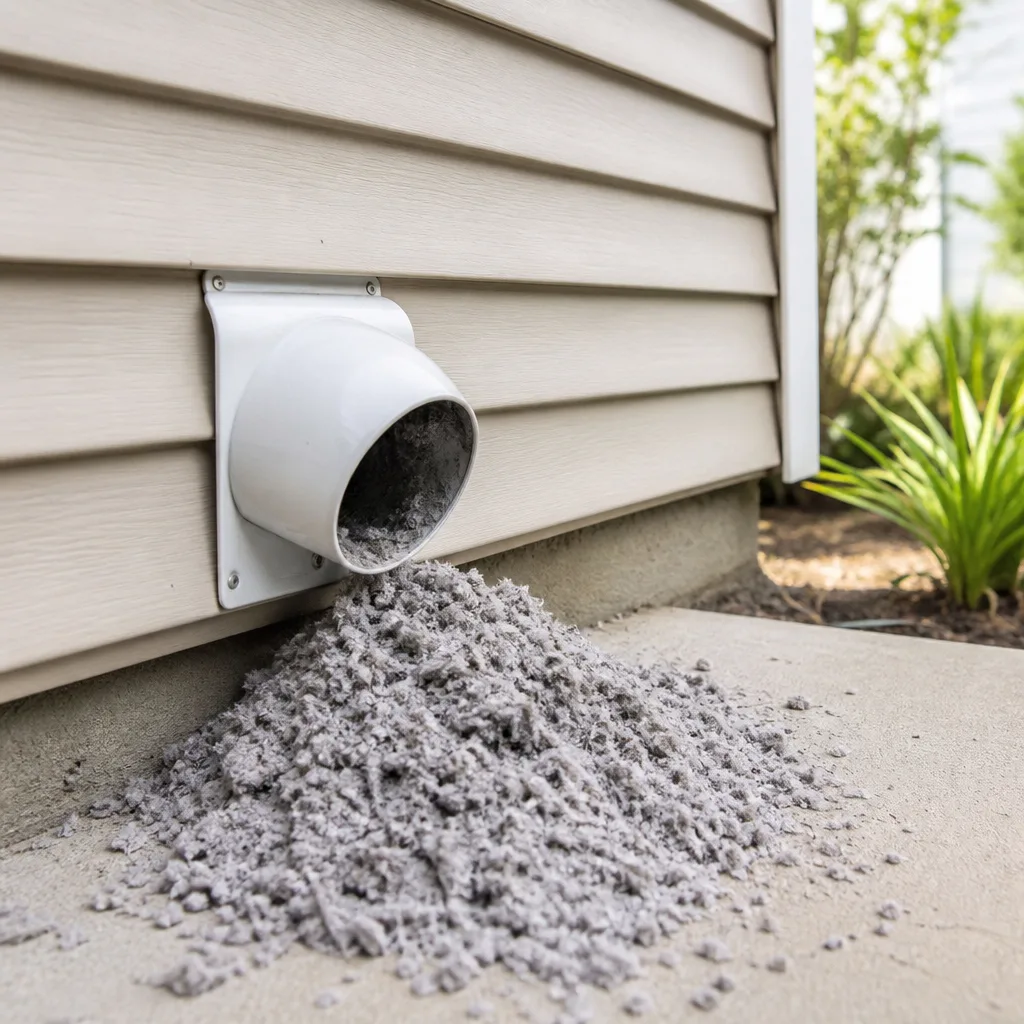
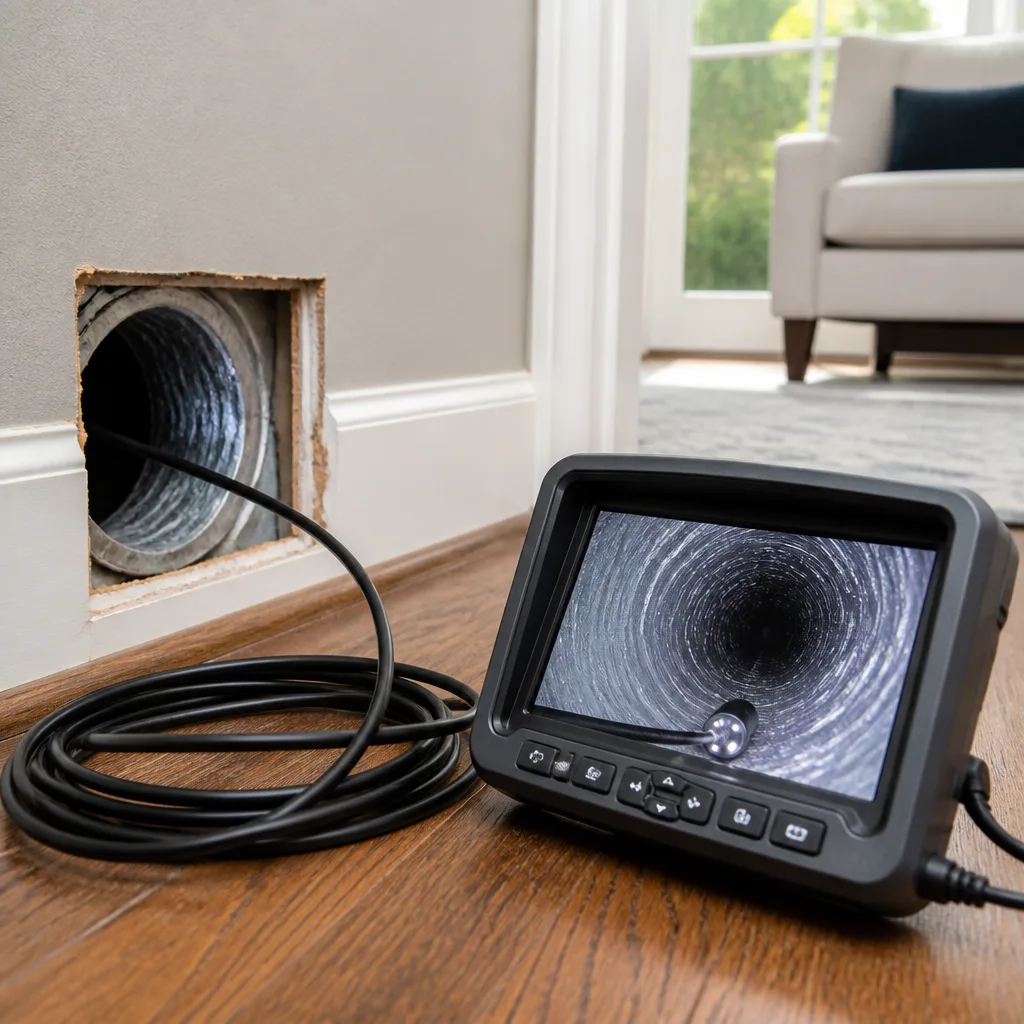
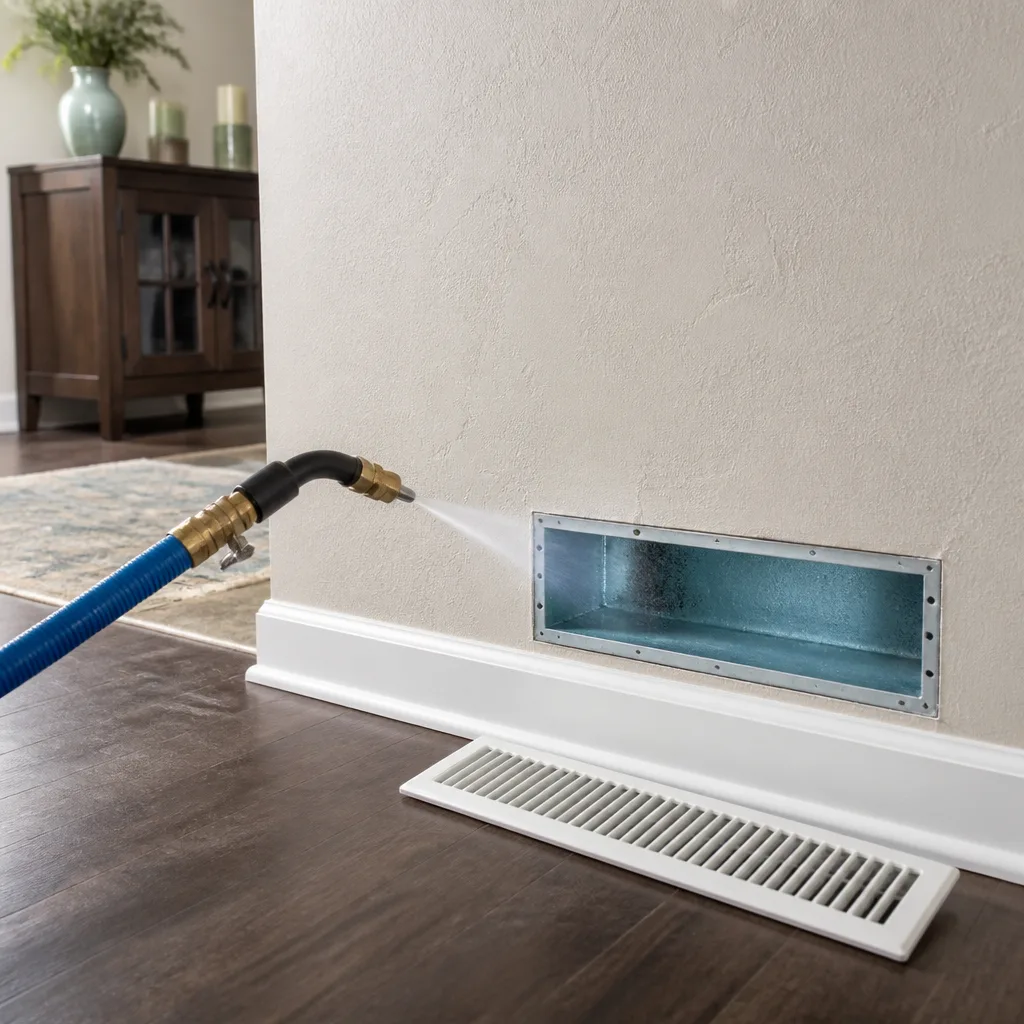
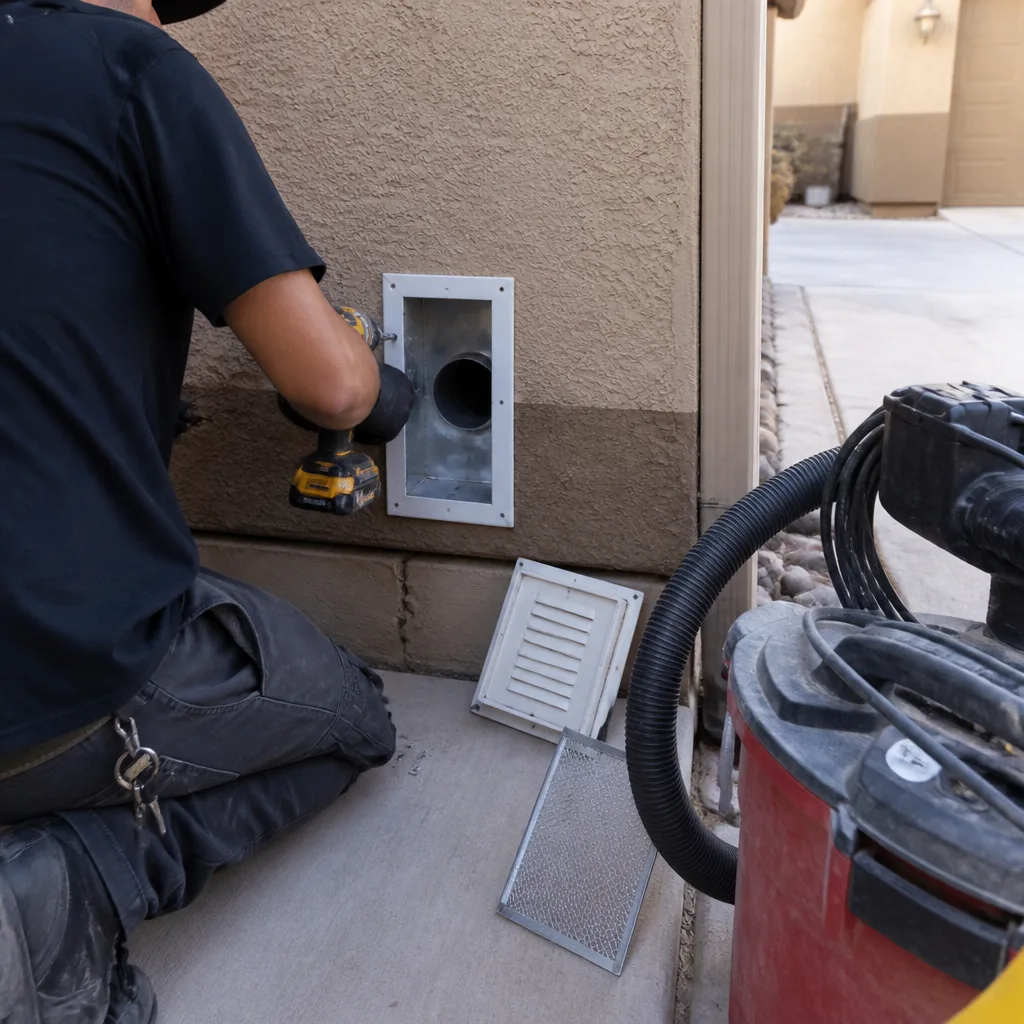
Whole-system duct and dryer vent check with before-and-after photos - you see exactly what came out of your vents
That "$99 whole-house special" is a bait ad - the real number appears once they are in your hallway, or the "clean" is a shop-vac at the register. We photograph the inside of your ducts before and after instead.
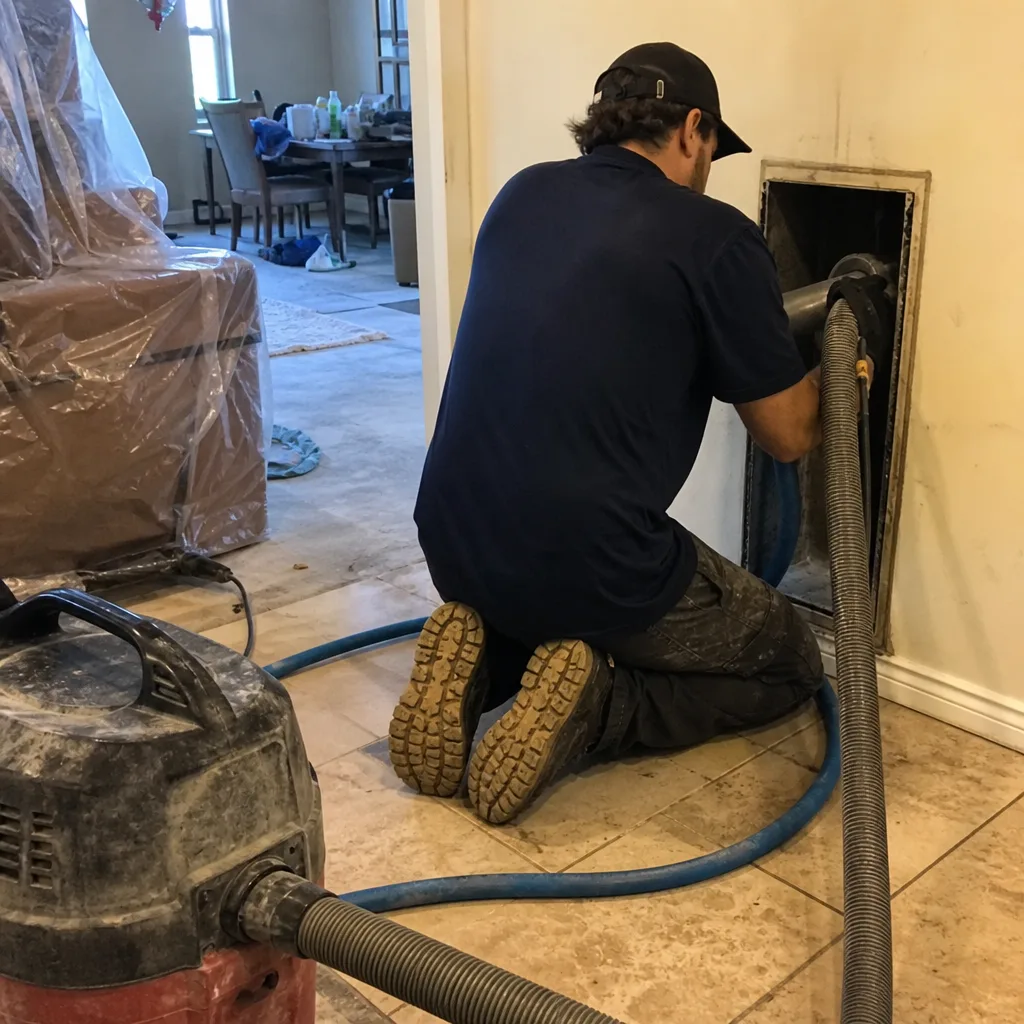 Before
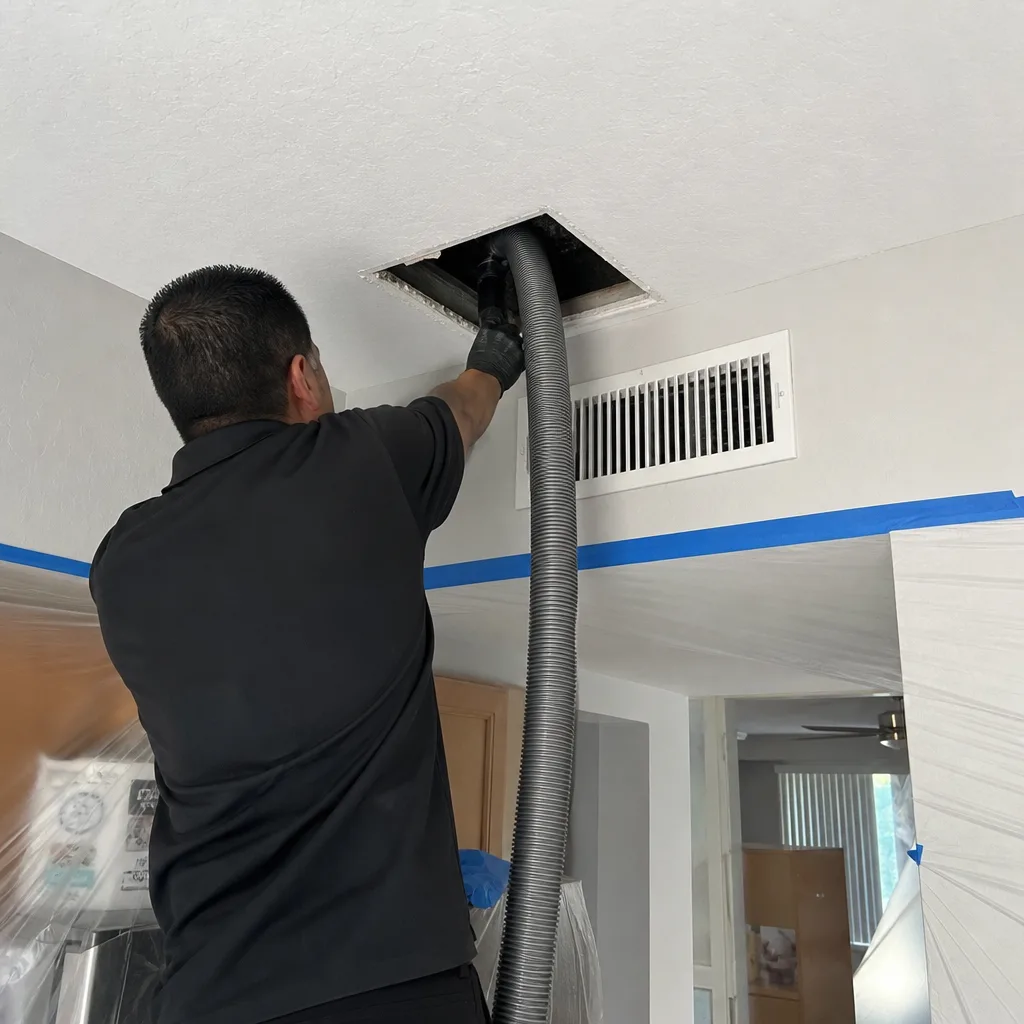 After
After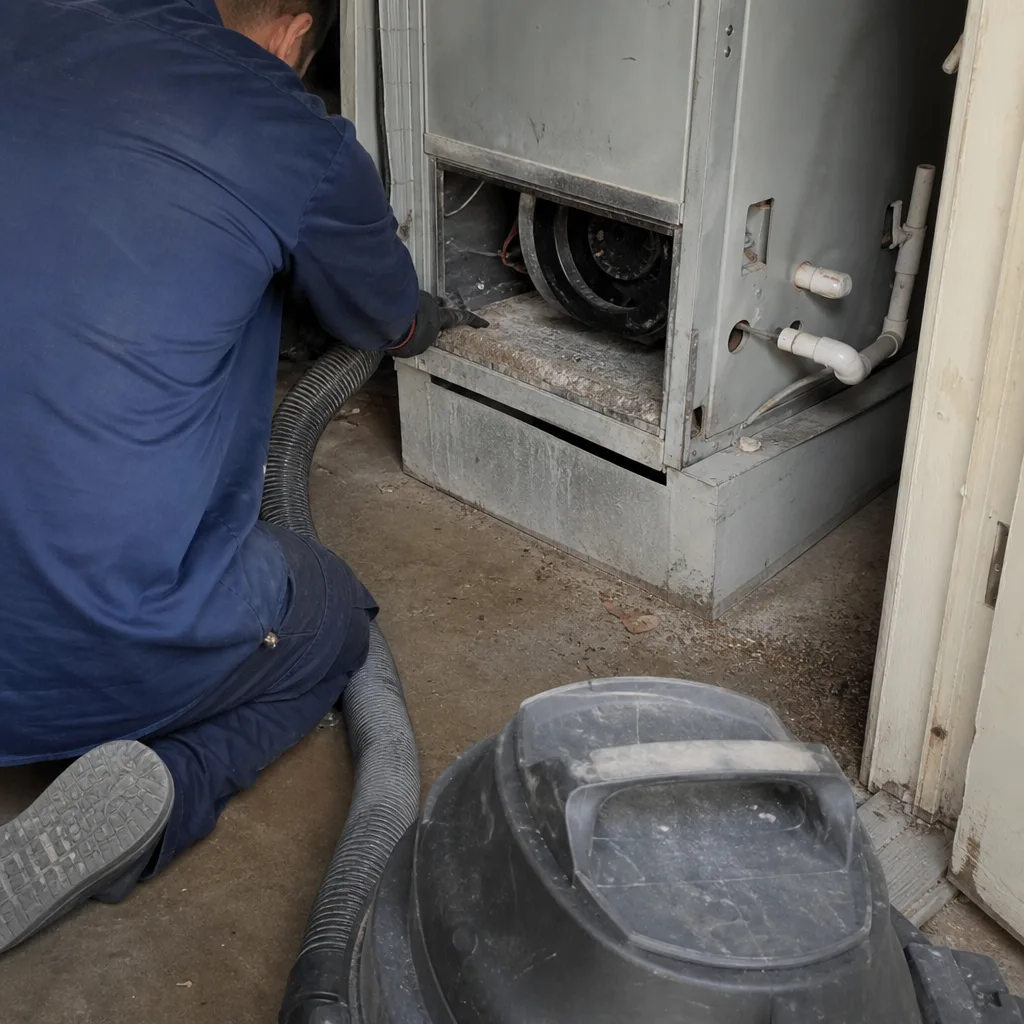 Before
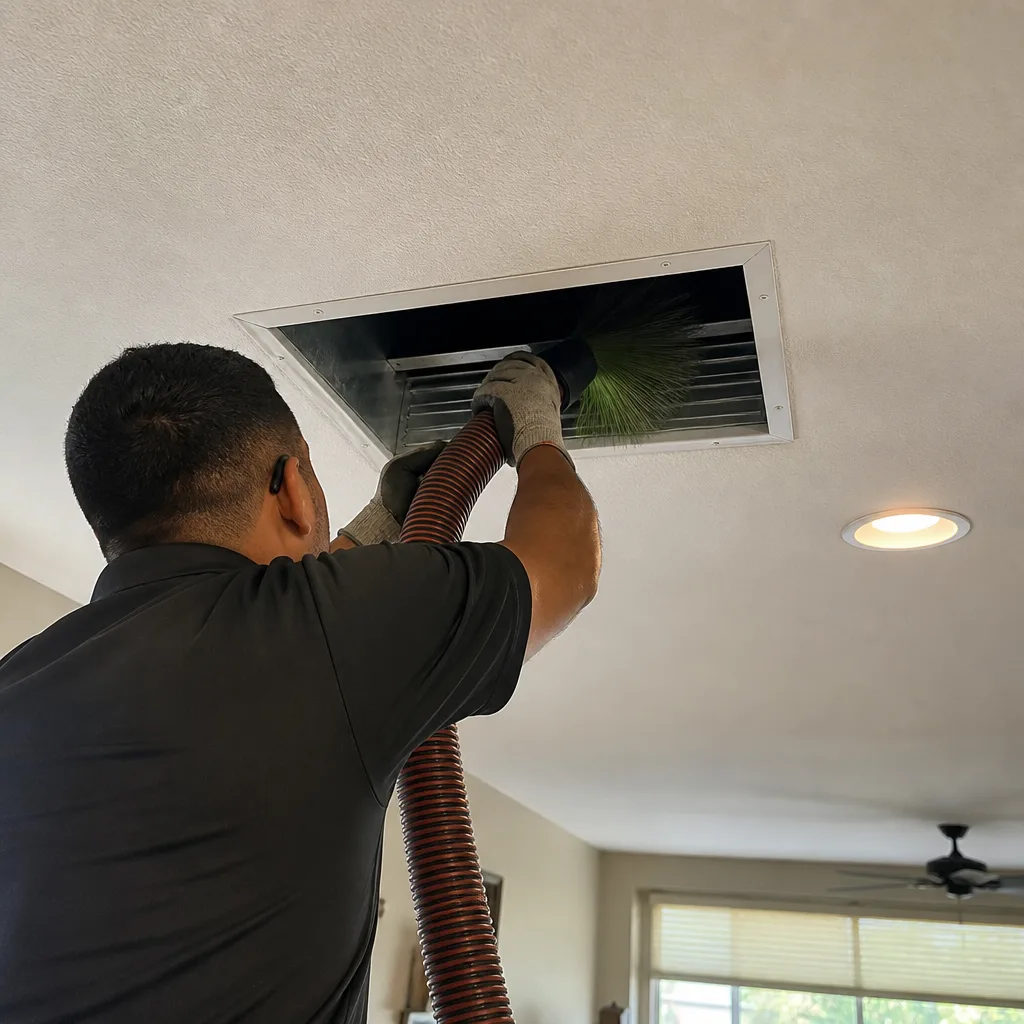 After
After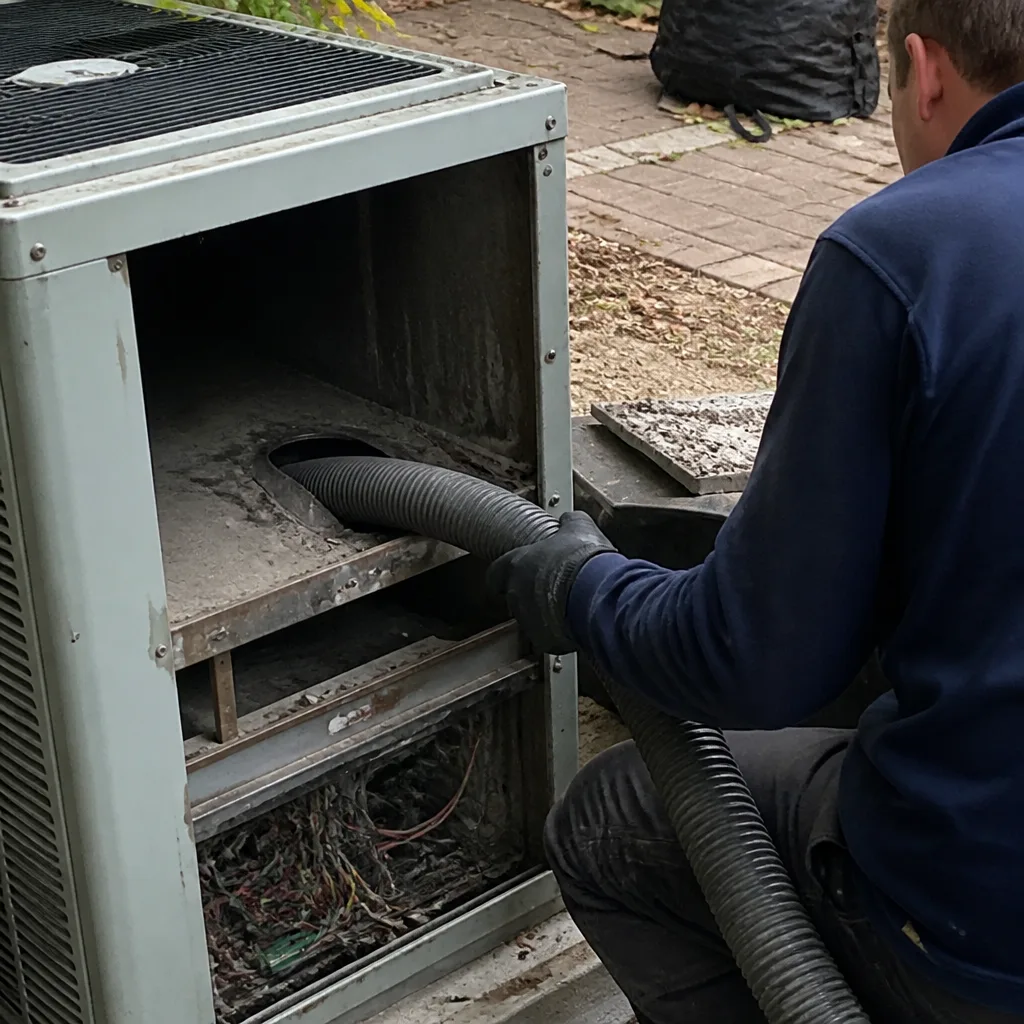 Before
 After
AfterAir Duct Cleaning Maintenance Checklist for Chandler Homeowners
The average Chandler home runs its HVAC system roughly 2,800 hours per year, nearly double the national average. That volume of conditioned air, pulled through fiberglass flex duct and metal trunk lines in 110-degree heat, accelerates everything: filter loading, duct seal degradation, and the accumulation of desert dust at elbows and transitions. What follows is not a chore list. It is a documented inspection record that turns what you observe between professional cleanings into verifiable baseline data a technician can use on arrival.
Quick Answer
A proper air duct maintenance checklist for Chandler homeowners includes monthly filter checks, quarterly register inspections with phone documentation, pre-summer and pre-monsoon visual audits of accessible ductwork, and annual professional Air Duct Cleaning services with a documented photo record. Because Chandler’s cooling load runs nearly year-round, the standard national schedule of “every three to five years” compresses to every two to three years for most homes here, sooner after any renovation or contamination event.
Table of Contents
- Why Chandler’s Climate Changes Your Maintenance Timeline
- Monthly Checklist: Filters and Returns
- Quarterly Checklist: Registers and Visible Duct Runs
- Seasonal Checklist: Pre-Summer, Monsoon, and Winter Startup
- How to Build a Documentation System That Technicians Can Use
- What to Do After Construction, Renovation, or Drywall Work
- Common Mistakes to Avoid
- When to Call a Professional
- Frequently Asked Questions
- The Bottom Line
 Before
 After
AfterWhy Chandler’s Climate Changes Your Maintenance Timeline
National duct cleaning guidelines assume a heating-dominant climate with seasonal downtime. Chandler does not have downtime. From April through October, most systems cycle continuously from mid-morning until after midnight. That sustained negative pressure inside the return plenum, the large box that connects your return ducts to the air handler, pulls more airborne particulate through the system than intermittent operation would.
The particulate itself is also different here. Desert dust is finer and more abrasive than the pollen-and-dander mix common in humid climates. It penetrates standard fiberglass filters more readily, loads onto evaporator coils, and settles in low-velocity zones of the duct network: the last ten feet of long runs, the underside of horizontal trunk lines, and the dead-air space behind dampers. We’ve opened duct runs in Chandler’s Cooper Commons and Ocotillo neighborhoods where the dust layer measured three-quarters of an inch at the first elbow from the plenum, even though the homeowner had changed filters on schedule.
Monsoon season, typically mid-June through September, introduces a second variable. The humidity spike, however brief, can activate dormant biological growth in dust-loaded ducts. The critical window is the first 48 hours after a humidity event. If your ducts already carry a significant debris load, that moisture can bind dust to duct walls in a way that simple negative-pressure extraction, the suction method most professional systems use, will not fully remove.
This means your maintenance checklist must operate on two tracks: the routine observations you make as a homeowner, and the professional intervention that resets the system before accumulated debris crosses a threshold where it affects airflow or air quality. The checklist below separates those tracks by frequency.
Monthly Checklist: Filters and Returns
Filter maintenance is the single highest-leverage action a homeowner can take. It is also the most commonly performed incorrectly. Use this sequence on the first weekend of each month.
- Locate and photograph the filter slot. Note the arrow direction on the filter frame, which indicates airflow toward the blower. A filter installed backward loads unevenly and can collapse into the return plenum.
- Remove and inspect the filter against a light source. If you cannot see light through the media, the filter is loaded beyond its rated capacity. Do not wait for the printed replacement date.
- Log the replacement date and MERV rating. MERV, or Minimum Efficiency Reporting Value, measures filtration fineness. MERV 8 catches large particles; MERV 11 catches finer dust; MERV 13 captures bacteria and smoke but loads faster and can restrict airflow in systems not designed for it. A technician who sees a pattern of monthly MERV 13 replacements can diagnose whether your system is working harder than necessary.
- Inspect the return grille and the visible duct throat behind it. Use your phone’s flashlight. Dust on the grille louvers is normal and cosmetic. Dark staining on the metal or flex duct behind the grille, especially if it wipes off as a smear rather than dry dust, is not normal. Photograph it.
- Check the return plenum access panel if your system has one. In many Chandler homes built 2015-2020, the return plenum is in the garage or a hallway closet. The panel should seal tightly; gaps pull unfiltered garage air or attic air into the system.
Keep a simple log: date, MERV rating, brand (Honeywell, Aprilaire, or other), and any observations. This log is part of your documentation system, described below. It takes four minutes and provides more diagnostic value than most homeowners realize.
Quarterly Checklist: Registers and Visible Duct Runs
Every three months, inspect the supply side of your system: the registers, or vent covers, where conditioned air enters each room, and any ductwork visible in attics, crawl spaces, or utility closets. In Chandler, the quarterly rhythm aligns with the ends of February, May, August, and November, bracketing the major seasonal shifts.
Register Inspection (5 minutes per room)
- Cosmetic dust on the cover: Normal. Wipe with a damp cloth.
- Dust accumulation lines radiating from register edges onto the ceiling or wall: Indicates air is escaping between the register boot, the metal sleeve that connects duct to room, and the drywall. This is a duct seal failure, not a cleaning issue. Energy loss and attic dust infiltration follow.
- Dark staining at the register throat, the interior neck behind the cover: Potential flag for moisture intrusion, past or present biological growth, or a duct breach pulling air from an unconditioned space. Photograph from multiple angles. Note the room and date.
- Uneven airflow between registers: Close all doors. Run the system on fan-only. Hold a tissue at each register. A register with weak flow may indicate a blockage, a disconnected flex duct, or a damper closure in the attic.
Visible Duct Run Inspection (10 minutes)
If you have attic access, inspect what you can see without moving insulation:
- Flex duct sag: Fiberglass flex duct should maintain a smooth, gradual bend. A sag of more than two inches per ten feet of run creates a low-velocity zone where dust settles. In Chandler’s extreme attic temperatures, sagging flex duct also degrades faster as the wire helix fatigues.
- Kinks or sharp bends: Reduce airflow and increase noise. Common where flex duct was pulled too tight across trusses.
- Disconnected or tape-failed joints: Metal tape or mastic sealant should be intact at every connection. In homes near Chandler’s agricultural zones, we’ve found rodent damage to flex duct that homeowners mistook for normal wear.
- Insulation integrity: Exposed flex duct core, the black inner layer, means the fiberglass insulation and vapor barrier are compromised. Attic heat will condense moisture on the cool interior surface in monsoon season.
Photograph everything. The photo is not for your memory; it is for the technician who arrives in six months or two years and needs to know whether a condition is new or progressive.
Seasonal Checklist: Pre-Summer, Monsoon, and Winter Startup
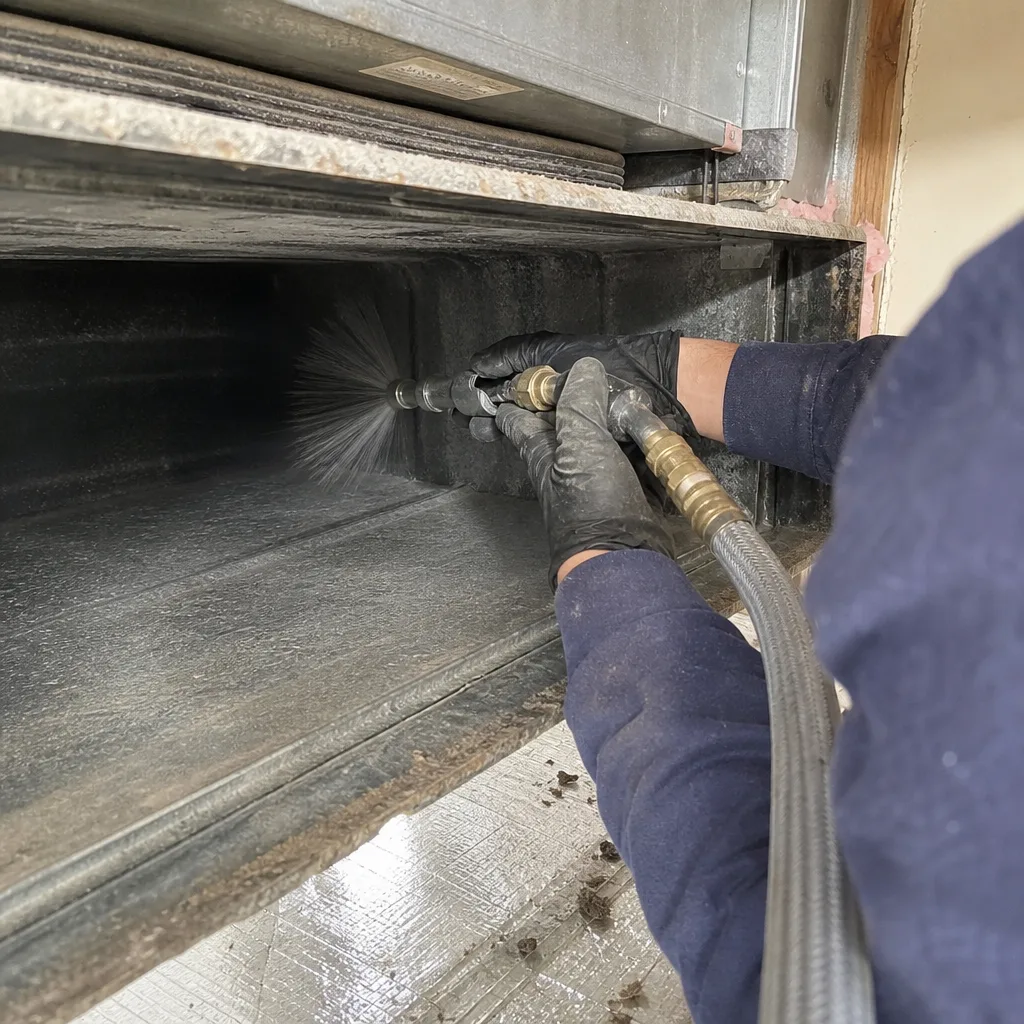
Chandler’s HVAC calendar has four distinct phases. Your checklist should match them.
Pre-Summer (March-April)
Before the first 100-degree day:
- Replace all filters, even if they appear clean. The loading rate accelerates in summer.
- Run the system and check every register for consistent temperature and airflow.
- Inspect the condensate drain line from the air handler. A clogged drain in summer humidity can back water into the return plenum, saturating dust loads and creating a contamination event.
- Schedule professional cleaning if your documentation log shows it has been 24-36 months since the last service, or if any quarterly inspection flagged staining, sag, or seal failure.
In Chandler’s Fulton Ranch and Sun Groves developments, we’ve found that pre-summer professional visits prevent the mid-July emergency calls that happen when a system, already strained by debris-loaded ducts, fails under peak load.
Monsoon Season (June-September)
Monitor, do not just endure:
- After any dust storm or haboob, check outdoor condenser coils for debris, but also check indoor registers for unusual dust deposition. A system that pulls makeup air through leaks will show it first at the supply registers.
- After humidity spikes above 50 percent for 24 hours, inspect any previously flagged staining. If color has darkened or spread, the moisture has activated biological material. This is not a DIY situation.
- Document any musty or sharp odors at startup. Odor is a lagging indicator; by the time you smell it, the source is established.
Post-Monsoon (October-November)
The cooling season winds down, but attic temperatures remain extreme:
- Perform full quarterly register and visible duct inspection.
- Compare current photos to February and May sets. Progressive sag, seal failure, or staining should now be obvious.
- Schedule any deferred professional cleaning before winter heating startup, when the system will recirculate attic and duct debris through living spaces on a closed loop.
Winter Startup (December-February)
Chandler’s heating demand is mild but not zero. Heat pump systems in particular switch to auxiliary heat below 40 degrees, changing airflow patterns and sometimes revealing odors that cooling mode masked:
- First heating cycle: note any burning dust smell. Brief and dissipating is normal; persistent or acrid suggests debris on heat strips or in ducts near the heat exchanger.
- Check that programmable or smart thermostats have not defaulted to schedules that overwork the system.
- Final filter change of the year, with full log update.
How to Build a Documentation System That Technicians Can Use
A checklist without records is just chores. A documentation system turns your observations into evidence that shortens diagnostic time and prevents redundant work. Here is how to build one that professional technicians, including our crews at CleanRun Air Duct Cleaning Chandler home, can actually use.
The Physical Log
Use a dedicated notebook or a single digital note file. Structure each entry:
- Date and outdoor conditions: Temperature and any recent weather events.
- Filter: Brand, MERV rating, replacement date, condition at removal (light test result).
- Registers: Room name, observation type (cosmetic dust / staining / airflow issue), photograph file name.
- Visible duct: Location, observation, photograph file name.
- System behavior: Noises, odors, cycle frequency, temperature consistency room-to-room.
Photograph Naming Convention
Rename files before they accumulate: 2025-03-15_MasterBR_Register_Throat_Staining.jpg is usable. IMG_7842.jpg is not. Create folders by date of inspection, not by room. A technician needs chronological progression, not spatial sorting.
The Handoff
When you schedule professional service, send the log and key photographs ahead, or have them ready on your phone. A technician who knows that staining appeared between May and August, or that a sag worsened after monsoon season, will inspect those areas first and can validate your observations with professional-grade cameras and pressure testing.
At CleanRun, every job includes a Documented Photo Record of every duct run, before and after, delivered as a standard job record. When a homeowner also has their own documentation, we can overlay our findings and show progression or resolution with precision that either dataset alone cannot provide. This is the Haven Standard in practice: evidence first, explanation second.
What to Do After Construction, Renovation, or Major Drywall Work
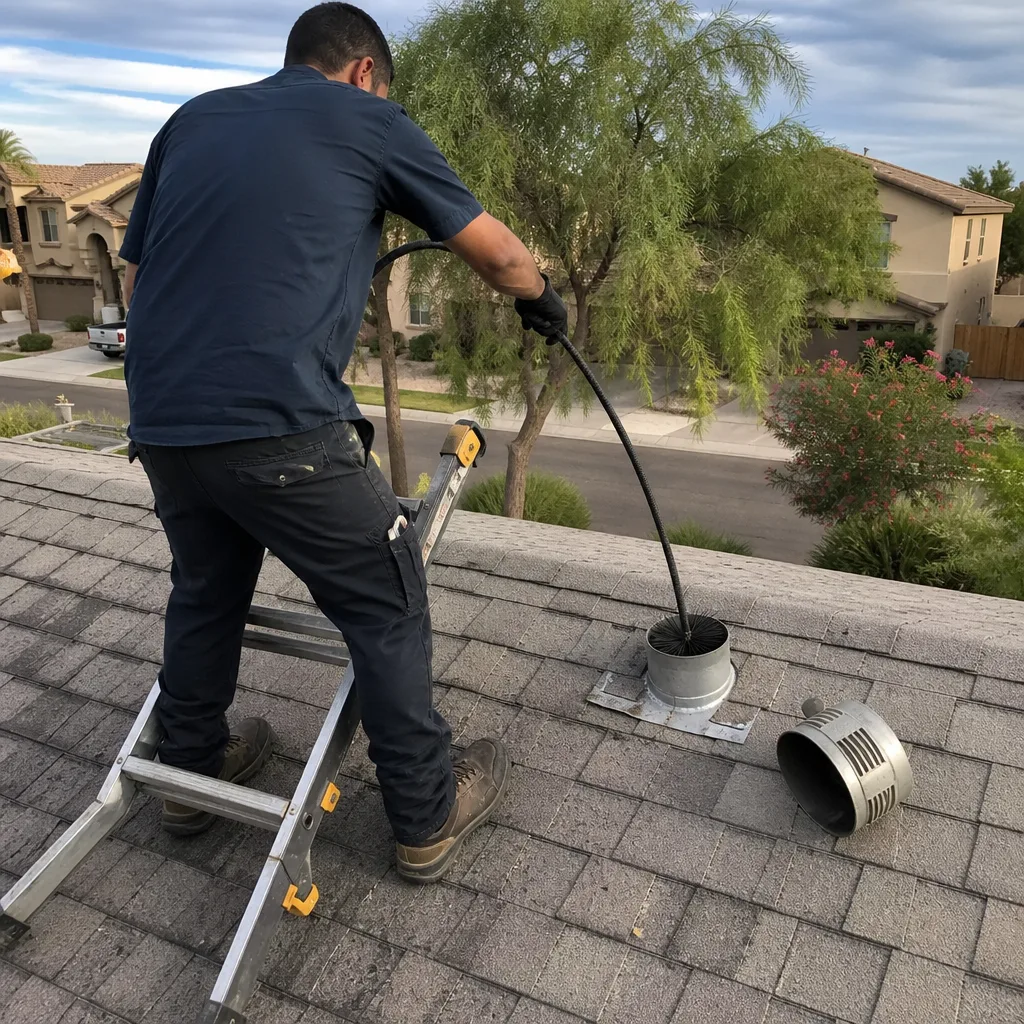
Construction is a contamination event. It resets your maintenance clock regardless of when the last professional cleaning occurred. This is non-negotiable and widely ignored.
Drywall sanding, in particular, generates ultrafine gypsum and silica dust that bypasses standard filtration. In Chandler’s tight-building envelopes, common in post-2015 construction, that dust pressurizes the home and finds every leak path into the return duct network. We’ve inspected systems in Chandler’s Andersen Springs and Clemente Ranch where post-renovation dust loads exceeded three years of normal accumulation.
Your post-construction checklist:
- Seal the system during active work. Close all registers with painter’s tape and plastic. Cover the return grille with a filter taped in place, then plastic over that. This is imperfect but reduces loading.
- Do not run the HVAC during construction. Even in summer, use portable cooling. Running the system pulls particulate through every component.
- Post-construction inspection: Remove register covers. Photograph the throat. In our experience, if you can wipe a visible film from the metal, the interior duct run is loaded.
- Schedule professional cleaning before occupancy. Not after you notice dust. Before you move back in. The Air Duct Cleaning in Chandler page describes what this service includes.
- Replace filters twice in the first month post-construction: once immediately after cleaning, and again at 30 days regardless of appearance.
Major landscaping work also qualifies. Trenching, grading, and heavy equipment operation near the home can force soil particulate through foundation vents and into crawl spaces, then into return ducts if the crawl space is part of the pressure envelope.
Common Mistakes to Avoid
- Assuming “I can’t see it, so it’s not a problem.” The most damaging duct conditions are in attics and behind walls. Visible register dust is the tip of the iceberg; the mass of debris accumulates at elbows, transitions, and the return plenum where you cannot see without equipment.
- Using the wrong MERV rating because “higher is better.” A MERV 13 filter in a system designed for MERV 8 restricts airflow, strains the blower motor, and can cause the filter to collapse or bypass. Check your air handler specifications or ask your HVAC technician.
- Cleaning only the registers and calling it maintenance. Register covers pop off easily; the debris is ten feet down the duct run. Surface cleaning of grilles improves appearance and does nothing for system performance or air quality.
- Ignoring flex duct sag because “it’s always been that way.” Flex duct degrades progressively. Sag that was minor in year three may be a complete collapse at the connector by year eight, especially in Chandler’s attic heat.
- Waiting for a smell or symptom before acting. Odor is a lagging indicator. By the time you smell mustiness or see dust plumes at startup, the condition has been established for months. The checklist is designed to catch conditions before they become symptoms.
- Hiring based on coupon price without verifying equipment and documentation. A $79 duct cleaning special typically involves a shop vacuum at the register and no interior access. Ask what equipment will be used: Rotobrush, Nikro, or Abatement Technologies systems are professional-grade. Ask whether before-and-after photographs of every run are included. If the answer is vague, the service is not comparable.
- Failing to update the documentation log after professional service. The technician’s findings, photographs, and recommendations belong in your records. They establish the new baseline for your next inspection cycle.
When to Call a Professional
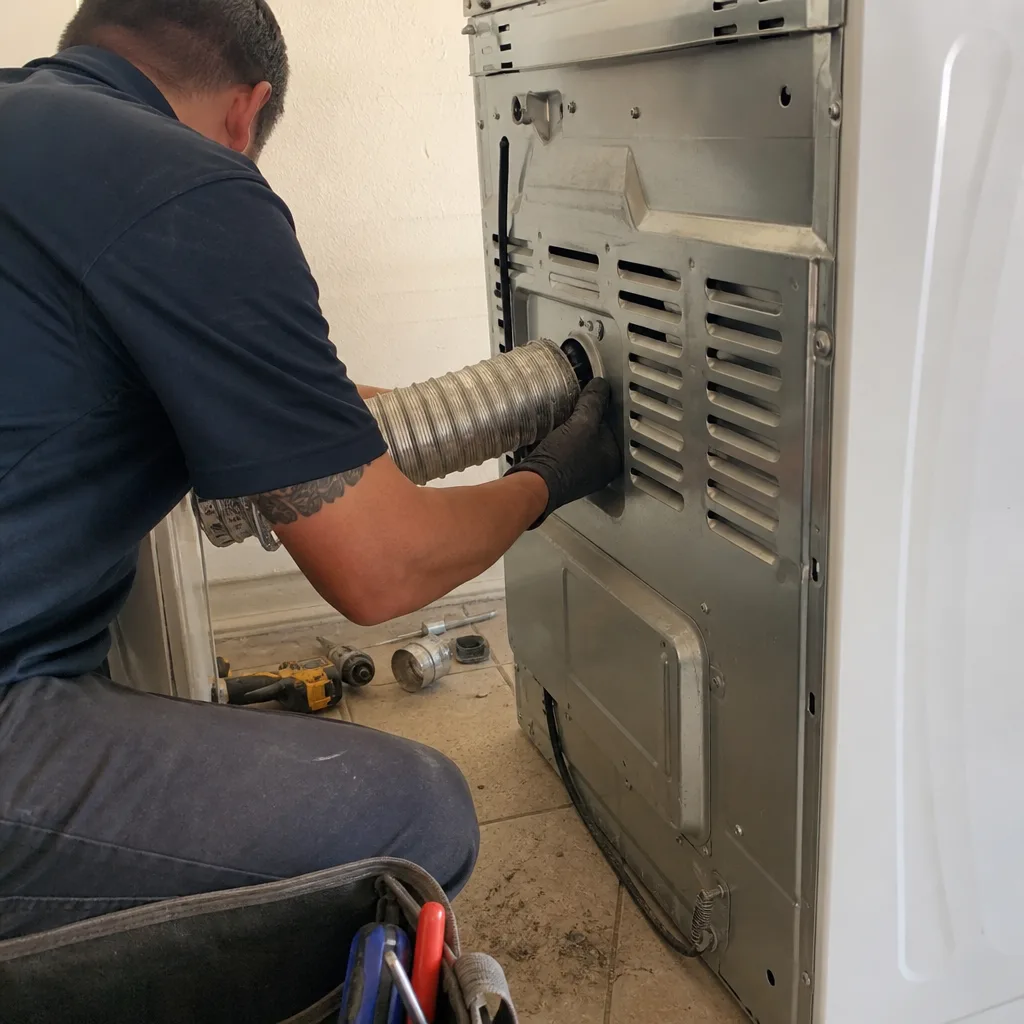
Some conditions on this checklist warrant immediate professional evaluation: dark staining that spreads between inspections, any odor that persists beyond the first minute of system startup, visible mold or moisture in ductwork, a register with no airflow, or post-construction dust loading. These are not DIY scenarios; see our Air Duct Cleaning Warning Signs: A Chandler Homeowner’s Reference Guide for details. Duct systems operate under pressure, and improper handling can damage seals, dislodge debris into the air handler, or create new leak paths.
CleanRun Air Duct Cleaning Chandler offers free estimates in Chandler. Call (520) 464-6297. Every estimate includes a written price before any work starts, under Haven Standard Clause 1, and every completed job includes a Documented Photo Record of every duct run. For Air Duct Cleaning Permits, Codes & Inspections in AZ: What You Need to Know, see our compliance guide. If you have maintained the documentation system described here, our technician can integrate your records and show you exactly what has changed since your last observation.
Frequently Asked Questions
Every 24 to 36 months for typical residential systems, sooner if you have pets, allergies, or have completed renovation work. The 2,800 annual operating hours in Chandler compress the standard national timeline. Homes near active construction or agricultural zones may need annual inspection to determine if cleaning is warranted.
Whole-system cleaning for a typical single-family home in Chandler ranges from $450 to $850, depending on system size, accessibility, and whether dryer vent or HVAC cleaning is bundled. CleanRun provides a written price before any work starts, with no per-vent add-ons or post-arrival upsells. Call (520) 464-6297 for an exact quote; estimates are free.
Low quotes typically cover register vacuuming only, without interior duct access or negative-pressure extraction. The equipment used may be a standard shop vacuum rather than professional systems like Rotobrush or Nikro. The difference is verifiable: ask for a written scope naming every duct run to be cleaned, and ask whether before-and-after photographs are included as a standard deliverable.
Demand a documented photo record of every duct run, before and after, delivered as part of the job record. At CleanRun, this has been standard practice since 2013. Without photographs, you have only the technician’s word. With them, you have evidence you can reference at your next inspection.
Homeowners can and should maintain filters, registers, and visible returns. Interior duct cleaning requires negative-pressure extraction equipment, rotary brushes, and sealed containment that prevents debris migration into the home. Attempting to clean interior ductwork without this equipment typically redistributes debris rather than removing it. For Dryer Vent Cleaning in Chandler, the fire risk from improper handling adds a separate safety concern.
Desert dust is finer and more abrasive than particulate in humid climates, penetrating filters more readily and accumulating in low-velocity zones. Hard water does not directly affect ductwork but can scale humidifiers or evaporative coolers connected to the system, requiring separate maintenance. The monsoon humidity spike is the critical variable: brief but intense, it can activate biological growth in dust-loaded systems.
Ask four questions: What equipment will be used on my specific system? Will I receive a written price before work starts? Is a documented photo record of every duct run included? What does your guarantee cover and how is it documented? CleanRun answers these with Rotobrush, Nikro, and Abatement Technologies equipment; a written price under Haven Standard Clause 1; a Documented Photo Record on every visit; and the 365-Day Done Right Promise, backed in writing on every job.
The Bottom Line
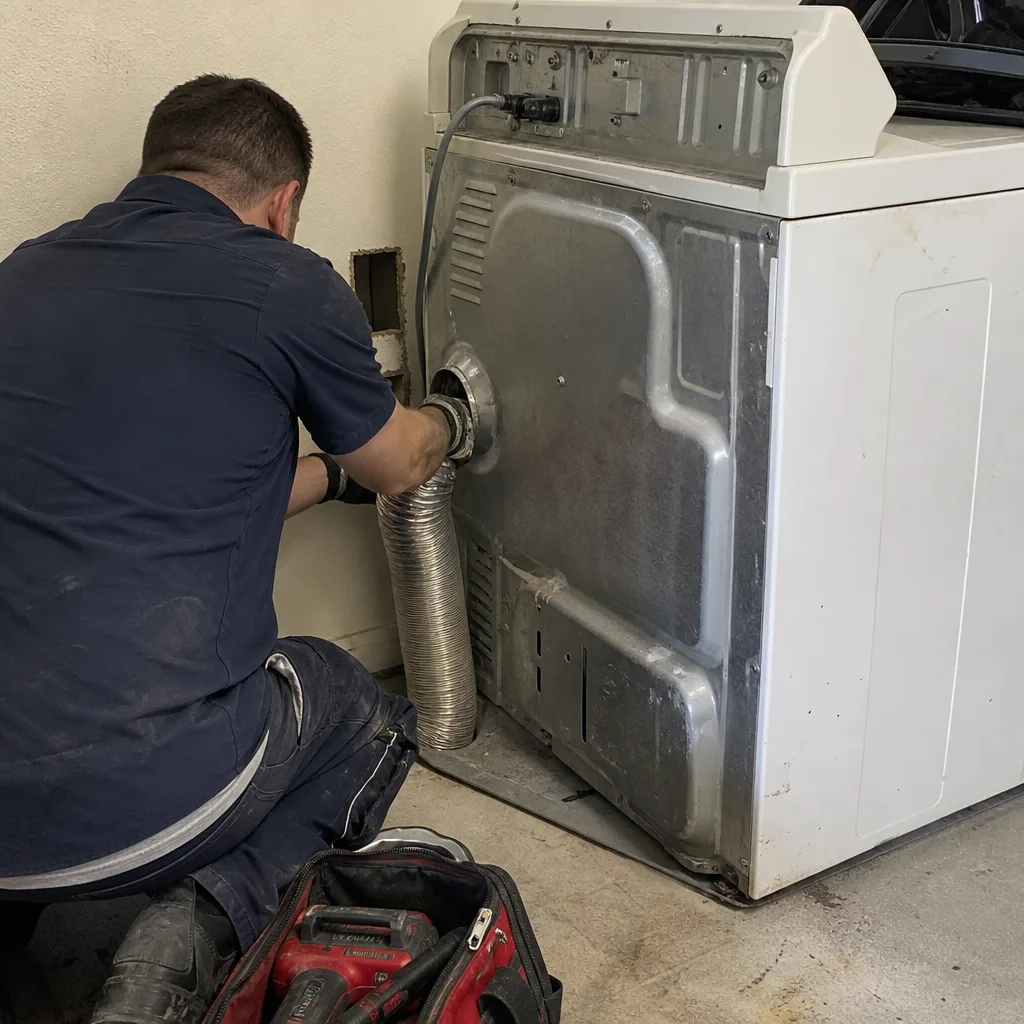
A maintenance checklist is only as good as the record it produces. In Chandler’s climate, where HVAC systems run nearly continuously and desert dust loads ducts faster than national averages assume, homeowner observations between professional visits are not optional diligence. Browse our more guides & resources for additional maintenance support. They are the data that makes professional intervention precise, accountable, and verifiable.
Document monthly. Inspect quarterly. Audit seasonally. And when conditions exceed what observation can address, schedule professional service that delivers evidence, not promises. HVAC Cleaning in Chandler from a provider who photographs every run and puts every price in writing is the standard your documentation deserves.
Call (520) 464-6297 for a free estimate. Written price before work starts. Documented Photo Record included. Every time.
Written by Tomas Reyes, Owner at CleanRun Air Duct Cleaning Chandler, serving Chandler since 2013.